Every Winter Vaccine in the UK and Who Is Eligible
Advertisement
The number of vaccines offered to adults in the UK has grown considerably in the last few years and keeping track of which one you are due, at what age and whether it is annual or once in a lifetime has become genuinely difficult. Letters arrive from GP practices for some and not others, pharmacies advertise ones the NHS will not fund for you and the rules change between campaigns. This is a single overview of the adult and maternal vaccines that matter most in winter, what each one does and who gets it.
One caveat before the list. Eligibility criteria are revised regularly and phased rollouts mean two people of similar age can be in different positions. Everything here is a guide to the shape of each programme rather than a substitute for checking and the NHS vaccinations pages linked throughout carry the current position.
Flu vaccine
Flu is the one genuinely annual vaccine, because influenza viruses change enough between seasons that the vaccine is reformulated each year and a previous dose does not carry over.
It is offered free to adults aged 65 and over, to people with long-term heart, lung, liver, kidney or neurological conditions, to people with diabetes, to pregnant women at any stage, to anyone with a weakened immune system, to people with a very high body mass index, to carers and to household contacts of immunosuppressed people. School-age children are offered it as a nasal spray and frontline health and social care staff are offered it through their employer. Everyone else can buy it at most pharmacies and supermarkets.
Effectiveness varies by season depending on how well the selected strains match what circulates and its most reliable benefit is reducing severity rather than preventing every infection. Our guide to flu symptoms and how long flu lasts covers the illness itself and the NHS flu vaccine pages have each campaign's eligibility.
COVID-19 vaccine
COVID-19 boosters are now a targeted seasonal programme rather than a universal one. Each campaign defines its own eligibility and it has narrowed over successive rounds, typically covering older adults, residents of care homes for older people and people with weakened immune systems. The age threshold has moved between campaigns, which is the main reason people who were eligible one year find they are not the next.
It is commonly given at the same appointment as the flu jab, which is both permitted and sensible. Private paid COVID-19 vaccination has become available in the UK for people outside the NHS criteria. Our guide to booster eligibility in the UK goes into the practicalities of booking and how long COVID-19 immunity lasts explains why the programme is built around seasonal timing.
RSV vaccine
RSV vaccination began in the UK in 2024 and works in two distinct ways. Pregnant women are offered it from 28 weeks so that antibodies cross the placenta and the baby is born protected through the months when bronchiolitis risk is highest. Adults are offered a single dose around their 75th birthday, with a catch-up for those already older and at present this is a one-off rather than an annual dose.
RSV is the largest cause of infant hospital admission each winter and a significant cause of pneumonia and hospital admission in the very old, which is why the programme targets both ends of life. Our explainer on RSV symptoms in babies and adults covers what the infection does.
Shingles vaccine
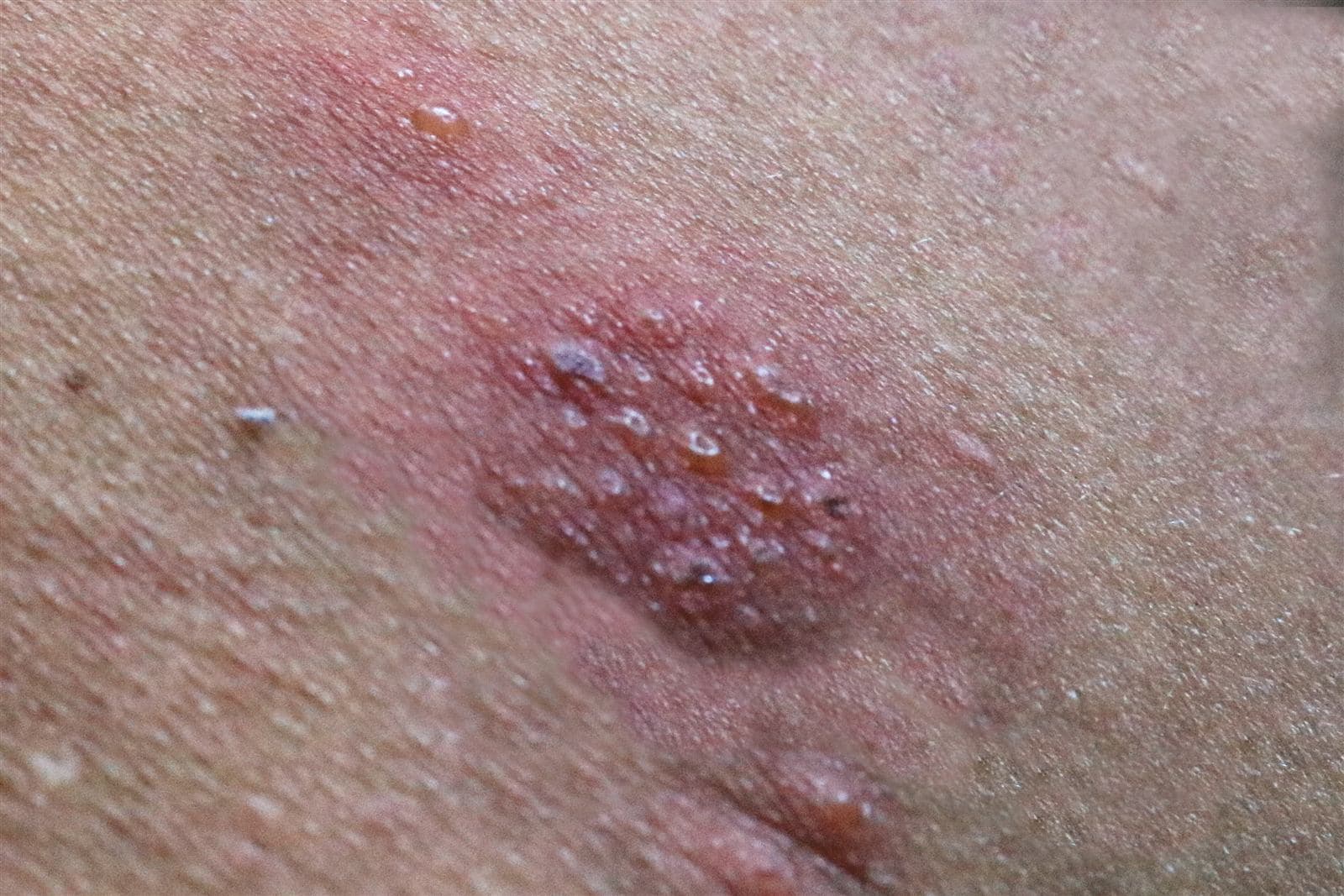
Shingles vaccination in England changed in 2023 and is rolling out in phases. Adults turning 65 are eligible, with a staged catch-up working through older age groups over several years and adults aged 50 and over with a severely weakened immune system are eligible immediately. It is given as two doses months apart and the current vaccine contains no live virus, which is why immunosuppressed people can now have it.
The main prize is not simply avoiding the rash but avoiding post-herpetic neuralgia, the lasting nerve pain that becomes much more likely with age. Having had shingles before does not make you ineligible. See our guide to shingles for what the illness involves.
Pneumococcal vaccine
This is the one most people have never heard of. Pneumococcal bacteria cause pneumonia, meningitis and blood infections and they frequently strike after a respiratory virus has already weakened the airway, which is why it belongs in a winter list.
For most adults it is a single dose at 65 that does not need repeating, which is why it generates so little conversation. People with certain conditions, including those without a working spleen, with chronic kidney disease or with a weakened immune system, may be offered it earlier and may need additional doses. Babies receive a different formulation in the routine childhood schedule.
Whooping cough vaccine in pregnancy
Offered from around 20 weeks of pregnancy and ideally before 32 weeks, this vaccine exists to protect the newborn rather than the mother. Babies under three months are the group at real risk of dying from whooping cough and they are too young for their own doses, so maternal antibodies bridge the gap. It is recommended in every pregnancy, since antibody levels fall between them.
Advertisement
UK cases surged recently alongside falling maternal uptake, with infant deaths recorded. Our guide to whooping cough symptoms and the vaccine covers the illness and why adults are usually the source.
MMR
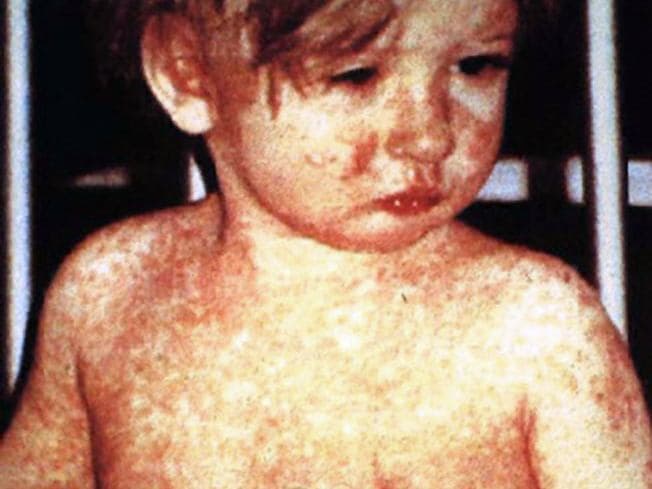
Not seasonal, but included here because it is the largest current gap in UK adult and childhood immunity. Two doses give around 99 per cent protection against measles, coverage has fallen below the 95 per cent needed to stop transmission and outbreaks have followed. Catch-up doses are free on the NHS at any age with no upper limit and adults born in the late 1980s and 1990s are a recognised gap. If you are unsure whether you had two doses, your GP practice can check the record. See our guide to measles and MMR.
What there is no vaccine for
Two of the infections that fill UK wards each winter have no vaccine at all. There is none for norovirus, where immunity after infection is short-lived and strains are many, so handwashing and the 48 hour rule remain the only defence. There is none in routine use for Group A strep either, though candidates are in development. Colds have no vaccine and never will in the conventional sense, because a couple of hundred different viruses cause them. For all three, prompt treatment and basic hygiene are what is available.
What you may have to pay for
Travel vaccines beyond a few NHS-funded ones, flu if you are outside the eligible groups, COVID-19 vaccination outside the current NHS criteria, chickenpox vaccination for most people and vaccines such as those for HPV or meningitis outside the funded age ranges are generally private. Pharmacies list their own prices and it is worth confirming whether you are actually eligible on the NHS before paying, since people often are without realising.
Practical points
Several of these can be given at the same appointment and combining flu with a COVID-19 booster is routine. A sore arm, mild tiredness or a low-grade temperature for a day or two afterwards is a normal immune response rather than an infection. None of the routine adult winter vaccines above contains live virus except where specifically noted, so being unwell afterwards is not the vaccine giving you the disease.
If you are immunosuppressed, pregnant or have a long-term condition, you are likely to be eligible for more than you expect and asking your GP practice or pharmacist to review what you are due is a reasonable request. If you have concerns about safety claims you have read, our piece on vaccine myths and why they persist addresses the most common ones.
A quick recap
Flu is annual and reformulated each year. COVID-19 is a targeted seasonal booster with eligibility that narrows and changes each campaign. RSV is a one-off dose around 75 and a maternal dose from 28 weeks. Shingles is two doses from 65, phased, or from 50 if severely immunosuppressed. Pneumococcal is usually a single dose at 65. Whooping cough is offered in every pregnancy from around 20 weeks. MMR catch-up is free at any age.
Frequently asked questions
Can I have several vaccines at the same appointment?
Often yes. Flu and a COVID-19 booster together is routine, frequently one in each arm and it does not reduce how well either works.
Which winter vaccines are annual?
Flu is the genuinely annual one. COVID-19 is seasonal but targeted by eligibility rather than universal. RSV, shingles and pneumococcal are not annual.
Why was I eligible for a COVID-19 booster last year but not this year?
Eligibility is set for each campaign and has narrowed over time, with the age threshold moving between rounds. Check the current campaign criteria rather than assuming last year's apply.
Do I need the shingles vaccine if I have already had shingles?
Recurrence is possible, so having had it does not make you ineligible. Whether you are currently offered it depends on your age and the phased rollout.
Is the pneumococcal vaccine a one-off?
For most adults it is a single dose at 65 that does not need repeating. People with particular conditions may be offered it earlier or need further doses.
How do I find out what I am due?
Ask your GP practice to review your vaccination record, or ask a pharmacist. Do not rely on receiving an invitation letter, since phased rollouts and record gaps mean invitations are sometimes missed.
Can I pay for a vaccine the NHS will not give me?
Often yes, at pharmacies and private clinics, including flu and COVID-19 vaccination outside NHS criteria. Confirm you are not actually eligible on the NHS first.
Advertisement