Common COVID-19 Vaccine Myths, Debunked

Advertisement
Few medical interventions in recent memory have attracted as much misinformation as COVID-19 vaccines. Some claims were understandable given how quickly the vaccines were developed and rolled out, others were built on nothing more than a viral social media post. Here's a look at the most common myths and what the actual evidence shows.
Myth: The vaccines contain a microchip
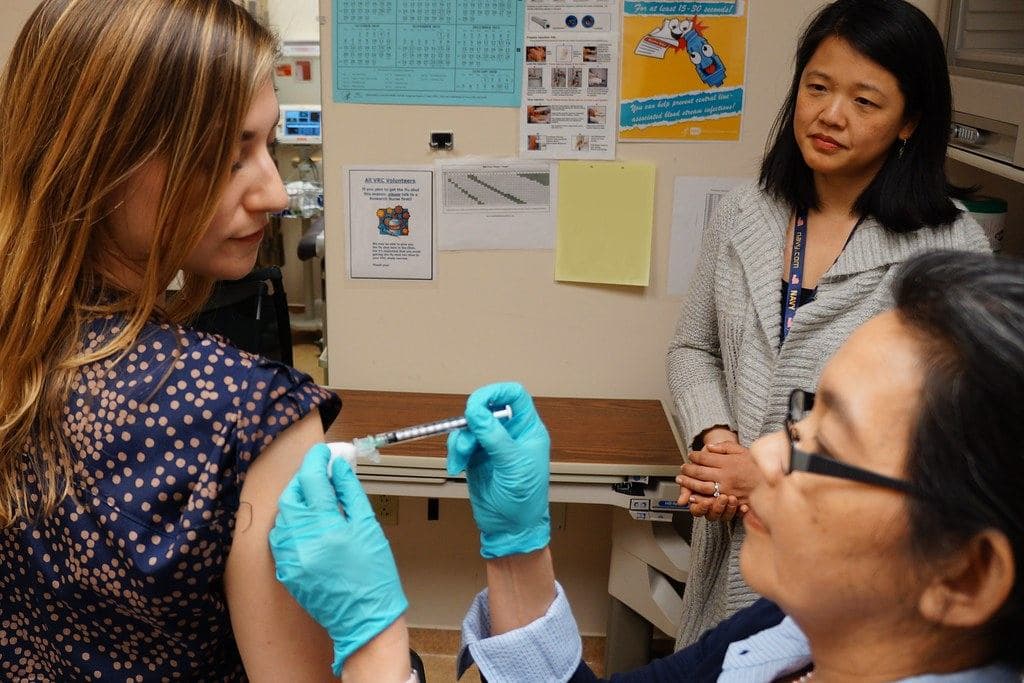
This is one of the most widely shared and most easily disproven claims. Vaccine ingredient lists are publicly published and independently audited by regulators and none of them include any electronic components. Beyond the ingredients themselves, the physical size constraints of a standard vaccine needle make injecting a functional microchip a practical impossibility, regardless of any conspiracy theory about intent.
Myth: The vaccines make you magnetic
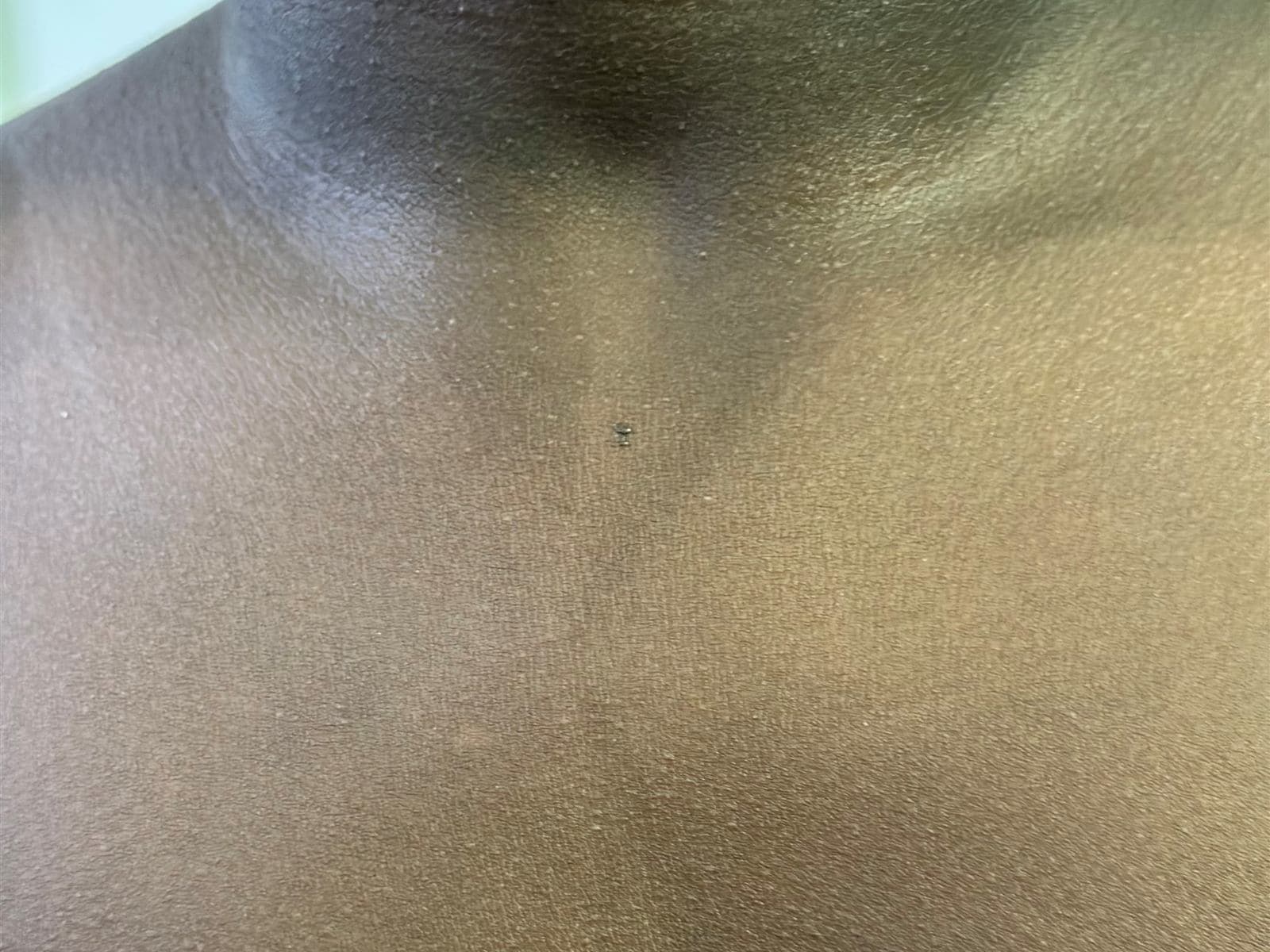
Videos claiming to show metal objects sticking to a vaccinated person's arm circulated widely, but none of the COVID-19 vaccines approved for use in the UK contain metallic ingredients capable of producing this effect. The apparent "stickiness" shown in these videos is generally attributed to skin oils, sweat or the object simply being balanced rather than genuinely attracted and no vaccine ingredient list supports a magnetic mechanism.
Myth: mRNA vaccines alter your DNA
This myth misunderstands how mRNA vaccines actually work. The mRNA in these vaccines delivers instructions to cells in the cytoplasm, the main body of the cell and never enters the cell nucleus, where your DNA is stored. It cannot interact with or change your DNA. Once the mRNA has delivered its instructions for the cell to build a harmless piece of viral protein, prompting an immune response, it breaks down naturally and is cleared from the body within a matter of days.
Myth: Vaccinated people can "shed" the vaccine to others
Shedding is a real phenomenon, but only with vaccines that contain a weakened, live form of a virus, which prompted this concern in the first place. None of the COVID-19 vaccines authorised in the UK contain a live virus, so there's no vaccine material for a vaccinated person to shed to someone else. Being near a vaccinated person carries no risk connected to their vaccination.
Myth: The vaccines cause infertility
This has proven to be one of the most persistent COVID-19 vaccine myths, built on a since-discredited theoretical protein comparison. Large studies covering conception rates, IVF outcomes and sperm parameters have found no evidence linking COVID-19 vaccination to infertility in men or women and bodies including the UK's Royal College of Obstetricians and Gynaecologists continue to recommend vaccination for people trying to conceive.
Myth: Natural immunity is always better than vaccine immunity
Immunity from a prior infection does offer real protection, but relying on infection to build immunity means accepting the actual risks of COVID-19 itself, including the small but real chance of severe illness, hospitalisation or long COVID. Research has also found that people who combine vaccination with a prior infection, known as hybrid immunity, generally show a stronger and more durable immune response than either infection or vaccination alone.
Myth: You can catch COVID-19 from the vaccine
None of the COVID-19 vaccines used in the UK contain live SARS-CoV-2 virus, so it's not possible to catch COVID-19 directly from vaccination. Some people do experience vaccine side effects that feel similar to mild illness, such as fatigue, headache or a low fever, which is a normal immune response rather than an actual infection.
Why these myths spread so easily
Several of these claims share a common pattern: they take a real, technical-sounding concept, like mRNA biology or protein structures and misapply it in a way that sounds scientifically plausible to a non-specialist audience. Combined with the genuine speed of vaccine development and understandable public anxiety during a fast-moving pandemic, this created ideal conditions for misinformation to spread faster than fact-checking could keep pace with.
How to evaluate a new vaccine claim
When a new claim about COVID-19 vaccines appears online, a few simple checks can help. Look for whether the claim cites a specific, checkable study or regulatory document, rather than an anonymous source or a vague reference to "leaked" information. Check whether reputable health authorities, the NHS, MHRA, WHO or equivalent bodies in other countries, have addressed the claim directly, since genuinely new safety signals are always followed up publicly rather than staying confined to social media. Be cautious of claims that rely on a single, dramatic anecdote or video rather than data drawn from large numbers of people, since individual anecdotes, however compelling, can't establish whether an event is actually more common in vaccinated people than it would be anyway.
Advertisement
None of this means health authorities are infallible or that every official statement should be accepted without question. It simply means that claims backed by large, transparent, peer-reviewed studies and open regulatory monitoring carry considerably more weight than claims that rely on anonymous sources, discredited theoretical mechanisms or emotionally compelling but scientifically unverified anecdotes.
A quick recap
The most widely shared COVID-19 vaccine myths, covering microchips, magnetism, DNA alteration, shedding, infertility and catching COVID-19 from the vaccine itself, have all been directly and repeatedly tested against the evidence and none hold up. Official guidance from the NHS, MHRA and equivalent international health authorities remains the most reliable source if you come across a new claim that gives you pause.
The same patterns of claim and rebuttal shaped the MMR vaccine long before COVID-19. UK measles coverage has since fallen below the level needed to stop outbreaks. Our guide to measles and the MMR vaccine covers what the evidence shows and how to check your own record.
Frequently asked questions
Where can I check whether a vaccine claim is true?
The NHS website, gov.uk and the World Health Organization all maintain updated, evidence-based information on COVID-19 vaccines and are reliable places to check a specific claim you've seen elsewhere.
Why were the vaccines developed so quickly compared with other vaccines?
Unprecedented global funding, parallel rather than sequential trial phases and existing research into related coronaviruses all contributed to faster development, without skipping the standard safety and efficacy testing stages.
Do vaccine side effects mean a myth about them might be true?
No. Documented, expected side effects like arm soreness or fatigue are a normal immune response and are entirely separate from the unfounded and disproven claims covered here.
Has any COVID-19 vaccine myth turned out to be at least partly true?
The claims addressed here have all been directly investigated and not supported by evidence. Genuine, rare risks like vaccine-linked myocarditis are openly acknowledged and monitored by health authorities, which is different from the disproven myths covered in this article.
Why do myths like the infertility claim persist even after being debunked?
Misinformation on emotionally significant topics tends to spread and persist more than corrections do, particularly on social media, which is part of why repeated, clear public health messaging remains necessary even years after a myth first appeared.
Is it wrong to have questions about vaccine safety?
No and asking questions is different from believing an unfounded claim. Genuine questions about how vaccines work, what's been studied and what safety monitoring exists are reasonable and are best answered by consulting your GP or the official sources referenced throughout this article.
Do other countries report the same conclusions about these myths?
Yes. Health authorities in the United States, the European Union, Australia and elsewhere have independently reviewed the same claims covered here, including the microchip, DNA and infertility myths and reached the same conclusions as the NHS and MHRA.
Advertisement