Measles Is Back in the UK: Symptoms, Risks and the MMR Vaccine
Advertisement
The UK achieved measles elimination status in 2017 and lost it the following year. Since then, outbreaks have recurred in several English cities, with the largest concentrated in areas where childhood vaccination coverage has fallen well below the level needed to stop the virus circulating. Measles is not a mild childhood rash that everyone used to get and nobody worried about. It is one of the most contagious infections known, it causes serious complications in a meaningful proportion of cases and it is almost entirely preventable.
Why it came back
Stopping measles requires about 95 per cent of a population to have had two doses of the MMR vaccine. That threshold is unusually high precisely because the virus spreads so effectively. UK uptake of two doses by age five has fallen below 90 per cent nationally and considerably lower in parts of London and some other urban areas, which leaves pockets of susceptible children large enough for an imported case to become an outbreak.
The reasons for the decline are mixed and mostly mundane: disruption to routine appointments during the pandemic years, difficulty getting GP appointments, families moving between practices and losing continuity and language or access barriers, alongside a smaller component of active vaccine hesitancy. The long shadow of the discredited 1998 claim linking MMR to autism still plays a part, despite that paper being retracted, its author struck off and the link disproven repeatedly in studies involving millions of children. We look at how claims like this take hold in how vaccine myths spread and why they persist.
How contagious it is
Measles is more transmissible than flu, COVID-19 or norovirus. One infected person will typically infect twelve to eighteen susceptible people. The virus stays suspended in the air and infectious on surfaces for up to two hours after the person has left the room, which means being in a waiting room, a classroom or a bus after a case has passed through is enough. This is why suspected measles is handled differently by the NHS: you are asked to phone ahead rather than turn up, so you can be seen without sitting in a shared waiting area.
Recognising measles
Measles does not start with a rash and that is the most useful thing to know. The first three to five days look like a heavy cold with a high fever: runny nose, sneezing, a cough, red sore watery eyes and a temperature that can climb above 40C. Small greyish-white spots, called Koplik spots, may appear inside the mouth on the cheeks a day or two before the rash and they are the most specific early sign if you happen to spot them.
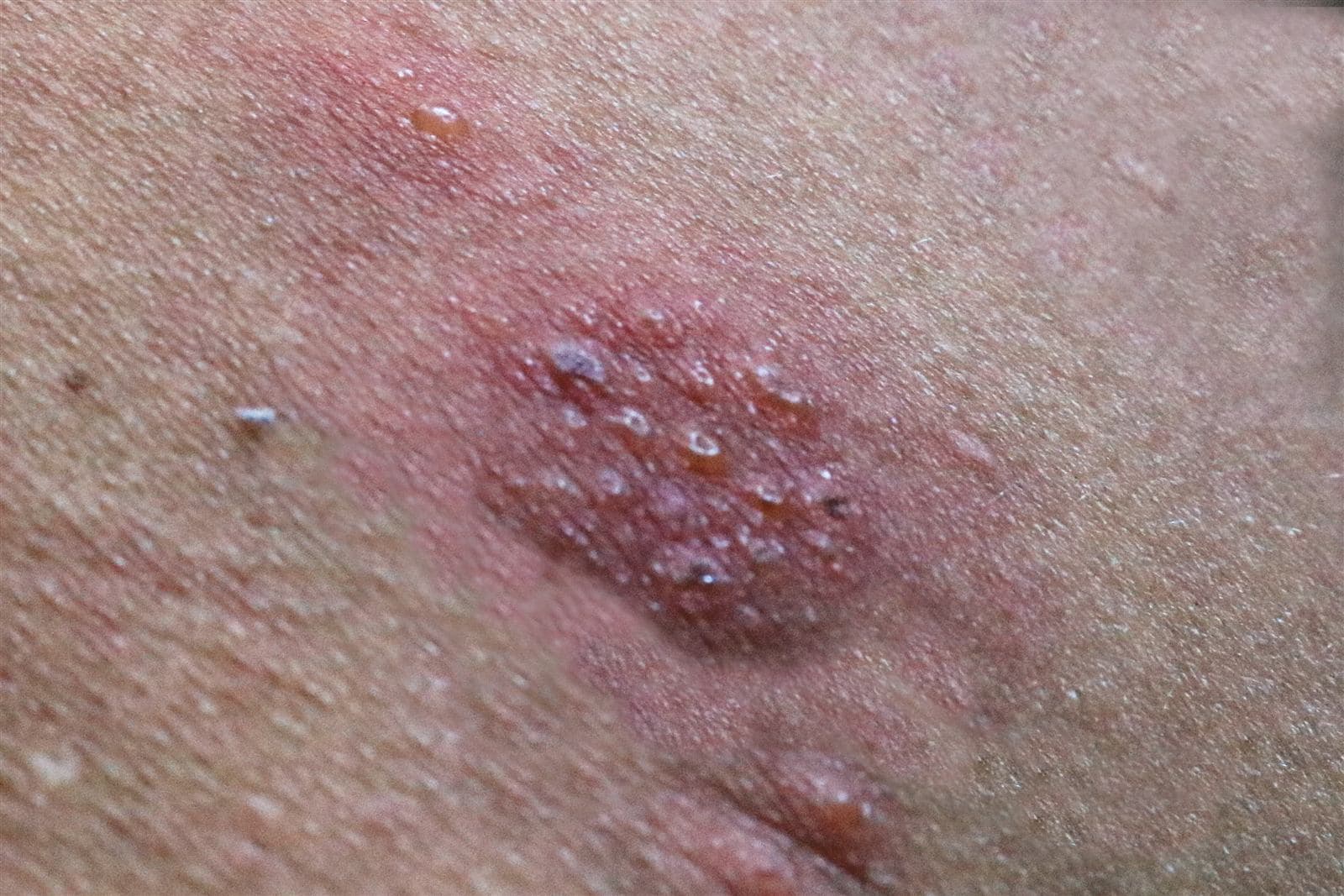
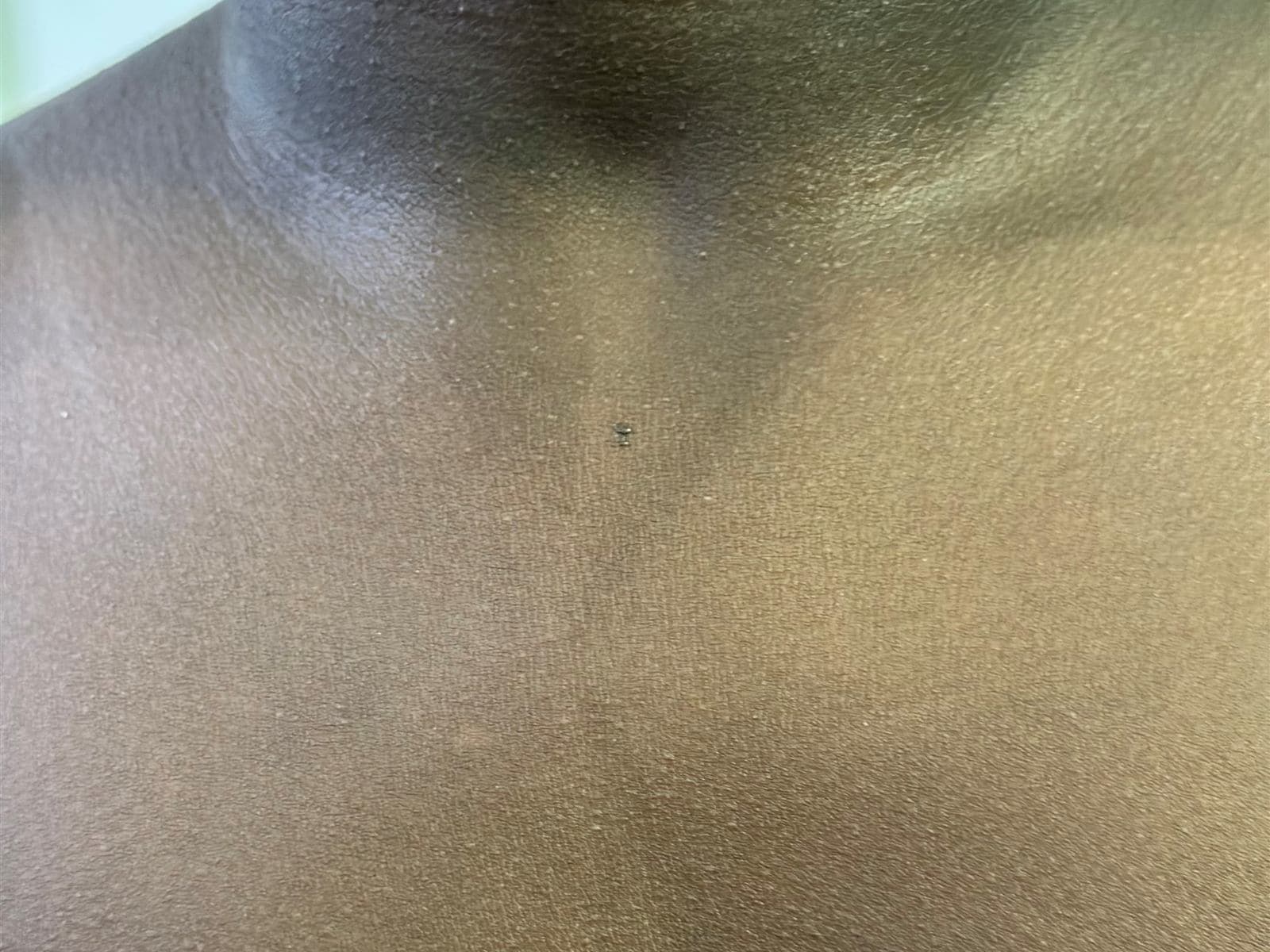
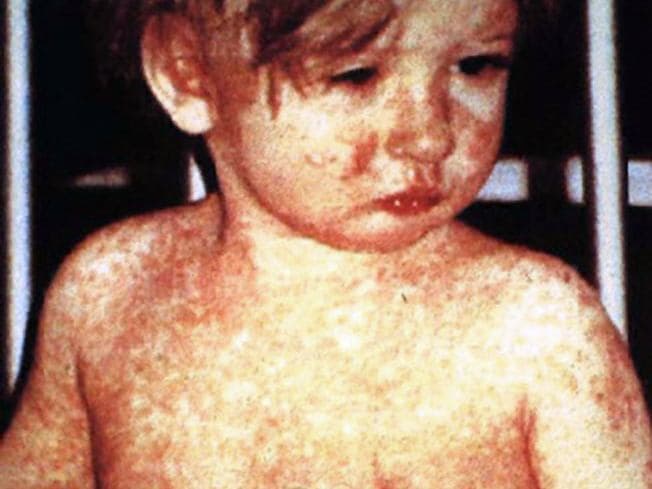
The rash then appears, usually starting on the face and behind the ears before spreading down the body over a few days. It is blotchy rather than raised and uniform, red or brownish, with patches that join together as it spreads. On brown or black skin it can be harder to see and may look darker or purplish rather than red, which is a documented reason measles is sometimes missed. The rash is not usually itchy. A child with measles is generally visibly and miserably unwell, unlike many ordinary viral rashes where the child carries on regardless. Symptoms start seven to fourteen days after exposure and someone is infectious from about four days before the rash appears until four days after.
Complications
Roughly one in five children with measles in the UK needs hospital treatment. Common complications include ear infections that can cause lasting hearing loss, diarrhoea and vomiting leading to dehydration and chest infections including pneumonia, which is the most frequent cause of measles deaths. Around one in a thousand develops encephalitis, inflammation of the brain, which can leave permanent damage.
Measles also does something less widely known: it partially erases immune memory. The virus destroys some of the memory cells that record previous infections, an effect sometimes called immune amnesia, which can leave a child more vulnerable to other infections for months or years afterwards. Very rarely, years after apparent recovery, measles causes subacute sclerosing panencephalitis, a progressive and fatal neurological condition. The risks are highest in babies under one, in pregnancy and in anyone immunosuppressed, for whom a measles exposure is a medical urgency rather than an inconvenience.
The MMR vaccine
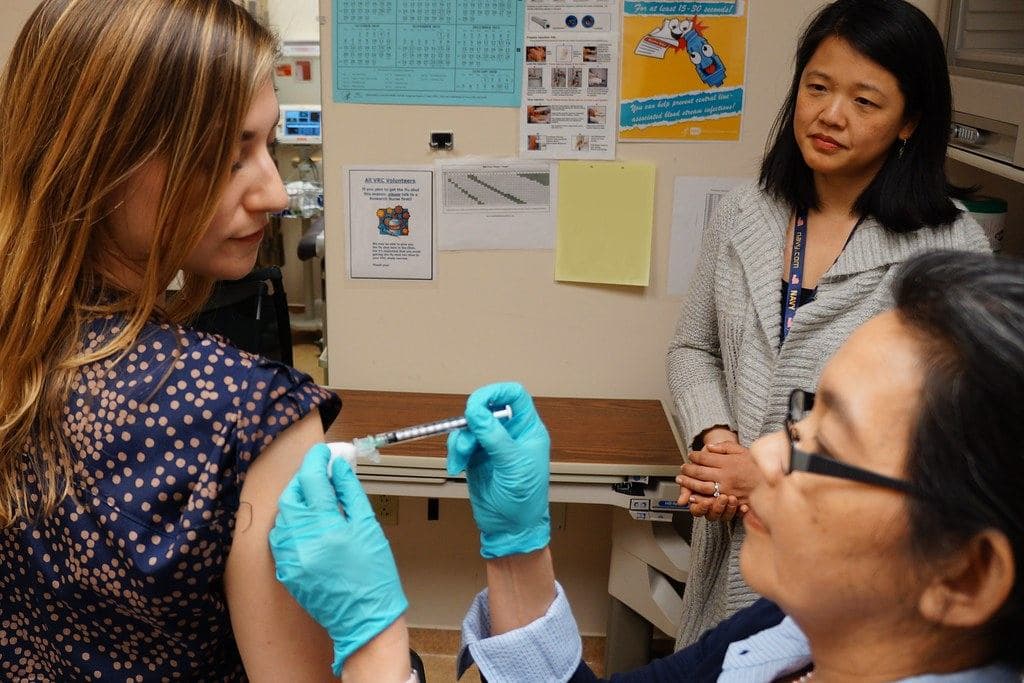
MMR protects against measles, mumps and rubella in a single vaccine. Two doses are given in the routine UK schedule, historically at around one year and again before school, with the exact timing set out in the current NHS schedule. Two doses give approximately 99 per cent protection against measles, which is unusually high for any vaccine and is why measles is so close to being eliminable.
Two points are worth stating plainly. There is no link between MMR and autism. This has been examined in very large studies across multiple countries and the association does not exist. MMR is also not available as separate single vaccines on the NHS, for the straightforward reason that splitting it extends the period in which a child is unprotected without any compensating benefit.
If you are not sure whether you or your child had two doses, you can ask your GP practice to check the record and catch-up doses are available free on the NHS at any age. There is no upper age limit and no penalty for being late. Adults who missed out as children, particularly those born in the late 1980s and 1990s when coverage dipped, are a recognised gap. The NHS MMR pages cover eligibility and the schedule.
Advertisement
MMR contains live weakened viruses, so it is not given during pregnancy or to people with significantly weakened immune systems. Those groups depend on the people around them being vaccinated, which is the practical meaning of herd immunity rather than an abstract one.
If you think someone has measles
Phone your GP or NHS 111 rather than attending in person and say you suspect measles so they can arrange to see you without exposing a waiting room. Measles is a notifiable disease in the UK, so confirmed and suspected cases are reported to public health teams, who will trace contacts and offer protection to those at risk. Stay at home and avoid contact with others, especially babies, pregnant women and anyone immunosuppressed, until four days after the rash appeared.
There is no antiviral treatment for measles. Care is supportive: rest, fluids, paracetamol or ibuprofen for fever and discomfort and a darkened room if the light is uncomfortable. Get urgent help for breathing difficulty, chest pain, drowsiness, confusion, a fit, a stiff neck, or signs of dehydration. A vaccine given within seventy-two hours of exposure can sometimes prevent or reduce illness in an unvaccinated contact, which is why prompt reporting matters.
A quick recap
Measles returned to the UK because two-dose MMR coverage fell below the 95 per cent needed to stop it spreading. It begins as a cold with high fever and red eyes, with the blotchy rash appearing three to five days later, spreading from the face down. It is infectious from four days before the rash until four days after and it lingers in the air for two hours. About one in five UK cases needs hospital care. Two doses of MMR give around 99 per cent protection and are free at any age.
Frequently asked questions
How do I know if I have had both MMR doses?
Ask your GP practice to check your vaccination record. If there is no record or it is incomplete, you can have a catch-up dose free on the NHS at any age.
Is it too late to get MMR as an adult?
No. There is no upper age limit and adults who missed doses as children can be vaccinated. Adults born in the late 1980s and 1990s are a particular gap.
Does MMR cause autism?
No. The 1998 paper that claimed this was retracted and its author struck off and very large studies across several countries have found no link.
Can you get measles if you are vaccinated?
It is uncommon. Two doses give roughly 99 per cent protection and breakthrough cases are usually milder. Most cases in UK outbreaks are in unvaccinated people.
What does the measles rash look like on brown or black skin?
It can be harder to see and may appear darker, brownish or purplish rather than red. Checking inside the mouth and relying on the fever and cold-like symptoms that come first, helps avoid missing it.
How long should a child stay off school with measles?
Until four days after the rash first appeared and they should avoid contact with babies, pregnant women and anyone immunosuppressed in that time.
Can I have MMR while pregnant?
No. MMR contains live weakened viruses and is not given in pregnancy. If you are planning a pregnancy and are unsure of your status, ask about it beforehand.
Advertisement