Meningitis: Symptoms, the Glass Test and Which Vaccines Protect Against It
Advertisement
Meningitis is inflammation of the membranes that surround the brain and spinal cord. It can be caused by viruses, bacteria and, much less often, fungi. Viral meningitis is usually less serious and many people recover fully. Bacterial meningitis is a medical emergency that can cause sepsis, brain damage, hearing loss, limb loss or death. It can develop very quickly, which is why knowing the signs and acting immediately matters.
Causes
In the UK, important causes of bacterial meningitis include meningococcal bacteria, pneumococcal bacteria and, less commonly now thanks to vaccination, Haemophilus influenzae type b, known as Hib. Group B streptococcus is an important cause in newborn babies. Viral meningitis is often caused by enteroviruses and can also be linked to viruses such as herpes simplex or mumps.
Meningococcal bacteria can also cause septicaemia, a severe blood infection, with or without meningitis. Septicaemia is often responsible for the rash associated with meningitis.
Symptoms in babies and young children
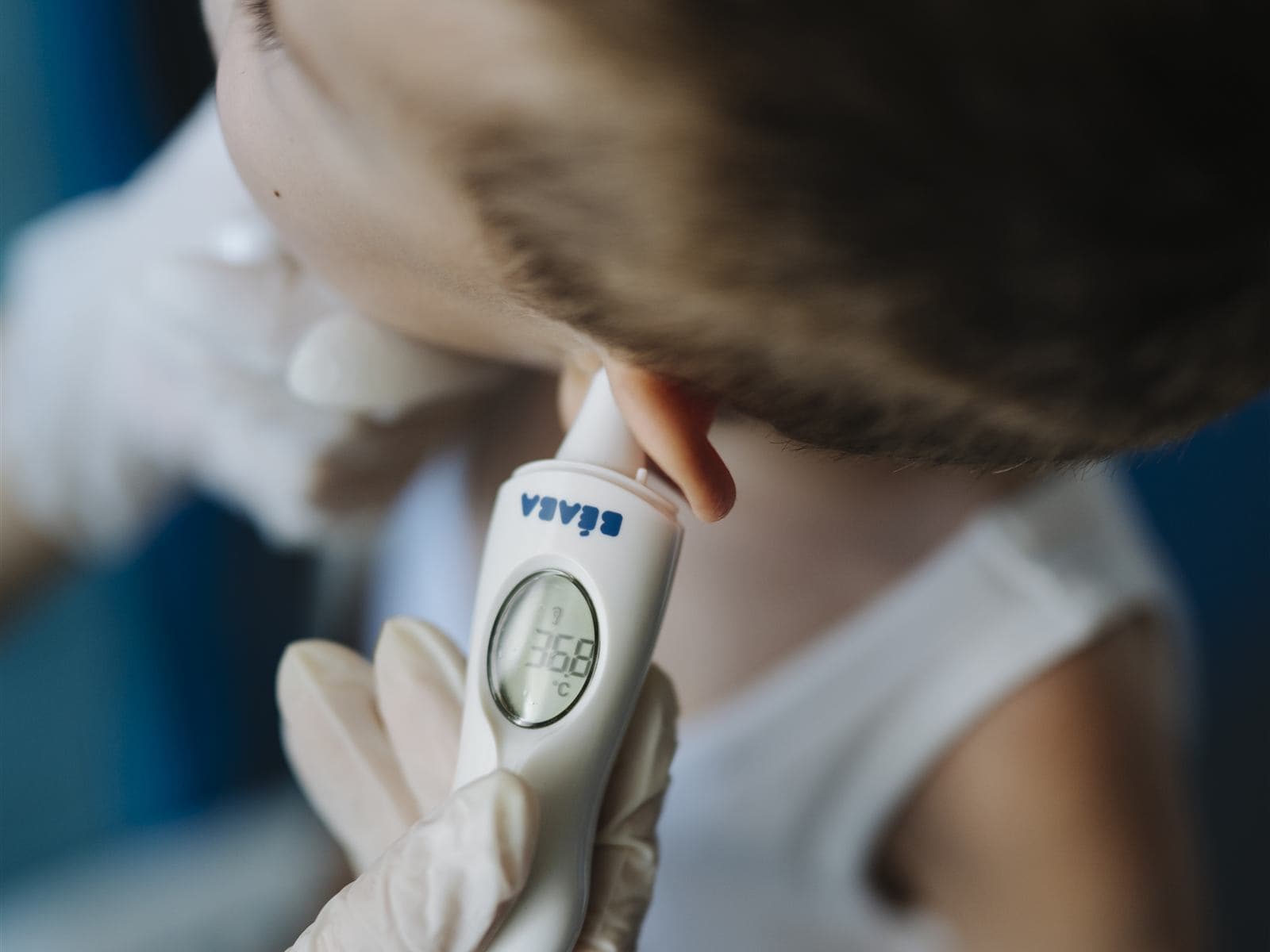
Babies and toddlers may not show the classic adult symptoms. Signs include fever, although some babies have cold hands and feet or a low temperature, refusing feeds, vomiting, being floppy or unresponsive, being unusually sleepy or hard to wake, a high-pitched or moaning cry, irritability when handled, rapid breathing or grunting, pale, blotchy or mottled skin, a bulging soft spot on the head, stiffness or jerky movements, seizures and a rash that does not fade under pressure.
Symptoms in older children and adults
Older children and adults may have fever, a severe headache, a stiff neck, dislike of bright lights, vomiting, confusion, drowsiness, seizures, cold hands and feet, severe limb or joint pain and a rash. Symptoms can begin like flu, then worsen rapidly over hours. Students and young adults sometimes mistake early meningitis for a hangover or flu, especially in shared accommodation.
The rash and the glass test
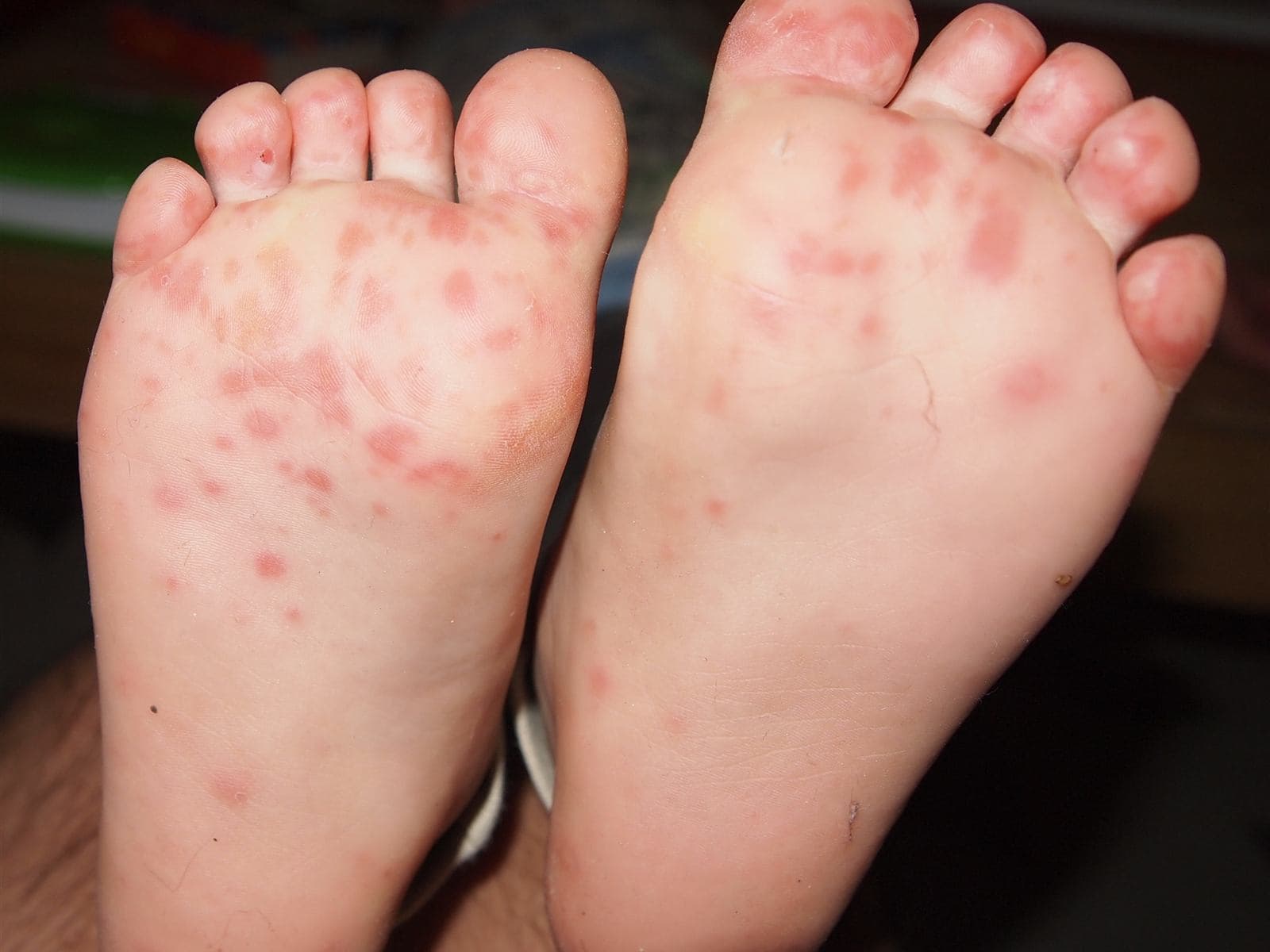
The meningitis rash is caused by bleeding under the skin and often starts as small red, brown or purple pinprick spots, which can spread and join to look like bruising. On brown or black skin it may be harder to see, so check paler areas such as the palms of the hands, soles of the feet, inside the eyelids and the roof of the mouth.
To do the glass test, press the side of a clear glass firmly against the rash. If the spots do not fade and remain visible through the glass, get emergency medical help immediately. However, do not wait for a rash. It may appear late or not appear at all. A rash that fades does not rule meningitis out if the person is otherwise seriously unwell.
What to do if you suspect meningitis
Call 999 or go to A&E immediately if you suspect meningitis or septicaemia. Do not wait for all symptoms to appear. Tell the call handler or clinician that you are worried about meningitis or sepsis. Bacterial meningitis needs urgent antibiotics. Delay can be dangerous.
In hospital, tests may include blood tests and a lumbar puncture, where a small sample of fluid is taken from around the spinal cord. Treatment for bacterial meningitis usually includes intravenous antibiotics, fluids and support for breathing or blood pressure if needed. Close contacts of someone with meningococcal disease may be offered antibiotics or vaccination by public health teams.
Viral meningitis
Viral meningitis is more common than bacterial meningitis and usually less severe. People often recover within one to two weeks, though headaches, tiredness and poor concentration can last longer. Because symptoms overlap, anyone with suspected meningitis should be assessed urgently to rule out bacterial infection.
Vaccines that protect against meningitis
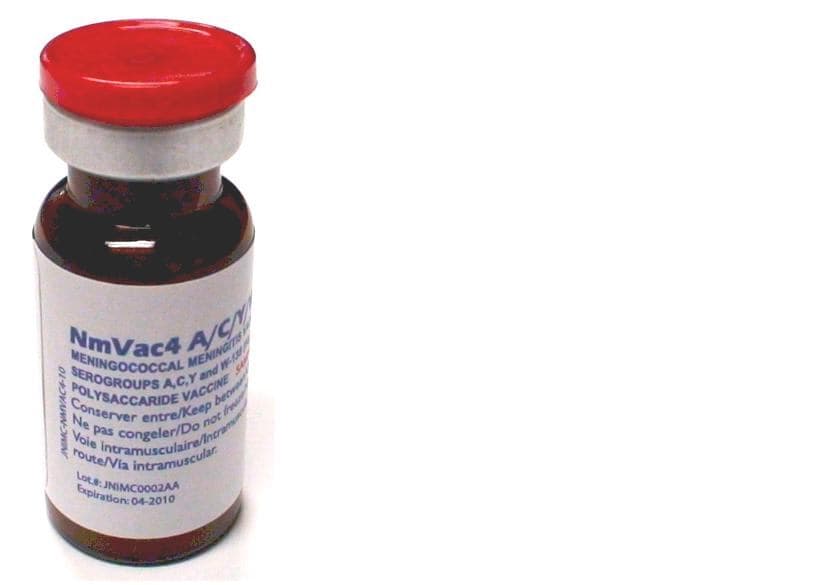
The UK routine vaccination programme protects against several causes of meningitis and septicaemia. Babies are offered the MenB vaccine, pneumococcal vaccine and vaccines that include Hib protection. Teenagers are offered the MenACWY vaccine at school, usually around the age of 14. Young people who missed it can usually have it from their GP up to their 25th birthday. It is particularly important before starting university, where students mix closely with people from many different places.
The pneumococcal vaccine is also offered to adults at 65 and to some people with long-term conditions, while the MMR vaccine protects against mumps, which can occasionally cause viral meningitis. Our guides to winter vaccines and eligibility and the MMR vaccine cover related programmes. Current schedules are on the NHS meningitis pages.
Advertisement
Who is most at risk
Meningitis can affect anyone at any age, but some groups are at higher risk. Babies and children under five have the highest rates, partly because their immune systems are still developing. Teenagers and young adults form a second peak, particularly students living in halls, where close contact helps meningococcal bacteria spread. Older adults, people without a working spleen, people with certain immune conditions or on some treatments and people who have had a cochlear implant or a skull injury may also be at increased risk. Anyone in these groups should be especially quick to seek help. Some may be offered extra vaccines.
Students and freshers
Starting university brings together large numbers of young people from different places, often in shared accommodation, which is why the MenACWY vaccine is strongly encouraged before term. Early meningitis can look very like flu or a hangover, so housemates matter. If a friend is feverish, unusually drowsy, confused, complaining of a severe headache or stiff neck or has cold hands and feet, check on them regularly, do not leave them alone to sleep it off and call 999 if you are worried. Our guide to fever and when to worry covers related warning signs in younger children.
After meningitis
Many people recover completely, but bacterial meningitis can cause lasting effects such as hearing loss, memory and concentration problems, epilepsy, behavioural changes, balance problems and, where septicaemia was severe, scarring or limb loss. Children who have had bacterial meningitis should be offered a hearing test after recovery. Charities such as Meningitis Now and Meningitis Research Foundation provide support for survivors and families.
A quick recap
Meningitis is inflammation around the brain and spinal cord and can be viral or bacterial. Bacterial meningitis is an emergency and can develop within hours. Symptoms include fever, headache, stiff neck, vomiting, confusion, drowsiness, cold hands and feet and sometimes a rash that does not fade under a glass. Do not wait for a rash. Call 999 or go to A&E immediately. MenB, pneumococcal, Hib and MenACWY vaccines protect against important causes.
Frequently asked questions
Does meningitis always cause a rash?
No. The rash may appear late or not at all, so seek emergency help for other warning signs without waiting for a rash.
How do I do the glass test?
Press a clear glass firmly against the rash. If spots remain visible and do not fade, call 999 or go to A&E immediately.
Is meningitis contagious?
Some bacteria and viruses that cause meningitis can spread between people, but most people exposed do not develop meningitis. Public health teams advise close contacts when needed.
Who should have the MenACWY vaccine?
It is offered to teenagers at school and is available up to age 25 for those who missed it, especially before university.
Can adults get meningitis?
Yes. Babies, young children, teenagers, young adults and older adults are among those at higher risk.
Is viral meningitis serious?
It is usually less serious than bacterial meningitis, but symptoms overlap, so urgent assessment is still needed.
Can meningitis cause hearing loss?
Yes, especially bacterial meningitis. Children who have had it should be offered a hearing test after recovery.
Advertisement