Strep A and Scarlet Fever: Symptoms in Children and When to Worry
Advertisement
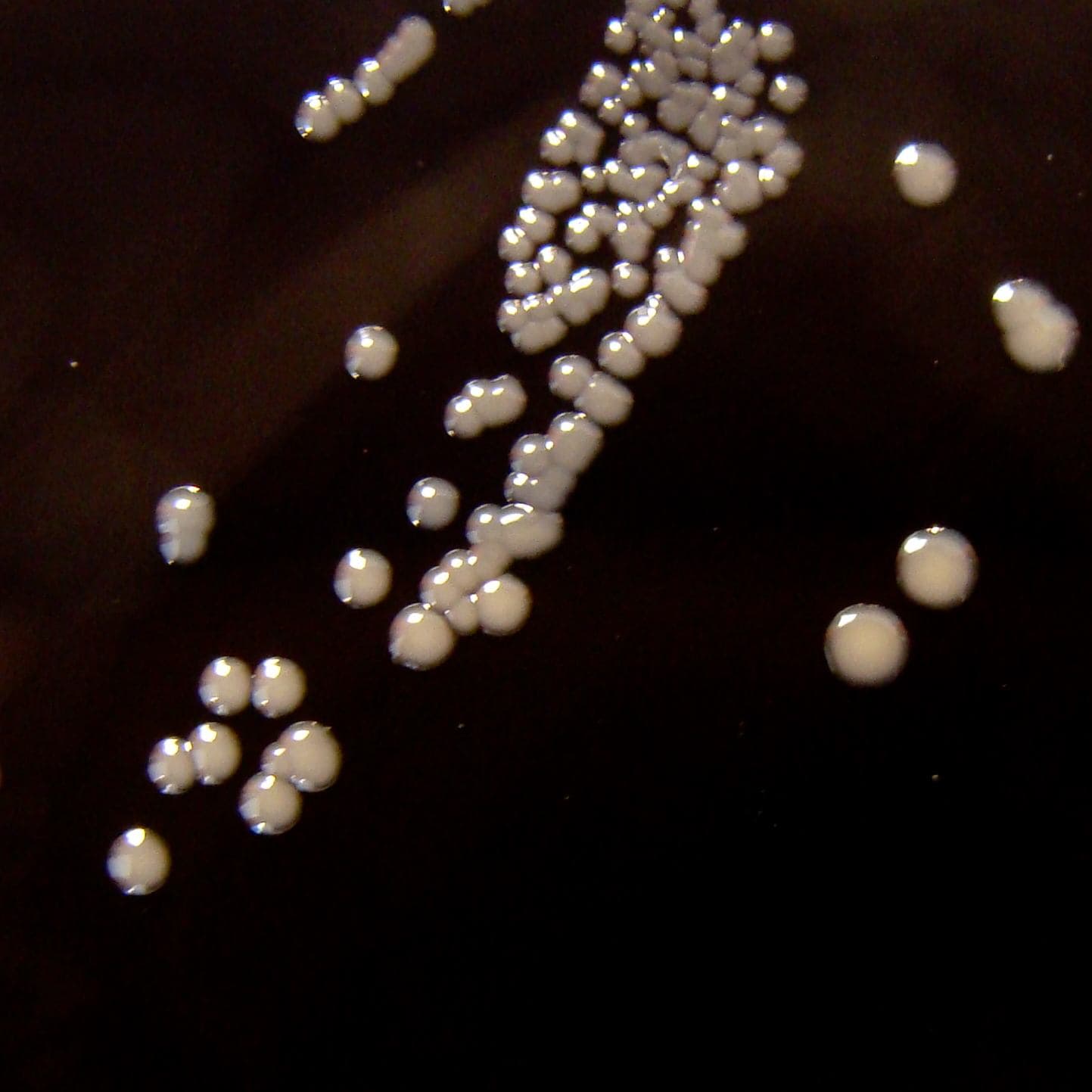
Group A streptococcus, usually shortened to Strep A, is a common bacterium that lives harmlessly in the throat and on the skin of a good number of people. Most of the time it causes nothing, or a sore throat, or scarlet fever, all of which respond well to antibiotics. Very occasionally it gets into places it should not reach and causes invasive disease, which is serious and fast-moving. Understanding the difference between those two situations is what most parents actually want and it is not difficult to learn.
Strep throat and how it differs from a viral sore throat
Most sore throats in children are viral and need nothing more than fluids, paracetamol and time, as covered in our guide to how long a cold lasts and what actually works. Strep throat is bacterial and the features that point towards it are worth knowing. It typically comes with a sudden sore throat and pain on swallowing, a fever, swollen tender glands in the neck and white patches or pus on the tonsils, but with an absence of the usual cold symptoms. That last part is the strongest hint. A child with a bad cough, a streaming nose and a sore throat almost certainly has a virus, whereas a child with a raging throat and a fever but no cough or runny nose is much more likely to have strep.
Clinicians use scoring systems built on exactly those features to decide whether antibiotics are warranted and a throat swab can confirm it. Strep throat responds to a course of penicillin or, for those allergic, an alternative, which shortens the illness, reduces spread and prevents the rare complications that untreated strep can cause. In England, sore throat is one of the conditions a pharmacist can now assess and treat directly under Pharmacy First for anyone aged 5 and over, covered in our guide to which NHS service to use.
Scarlet fever
Scarlet fever is Strep A with a rash, caused by a toxin some strains produce. It is mainly an illness of children between about two and eight, though anyone can get it. It starts with a sore throat, a fever, headache and often nausea or vomiting, then the rash appears within a day or two.
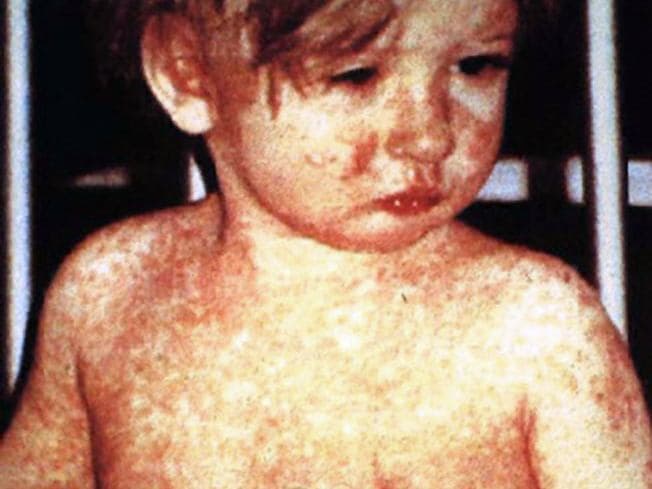
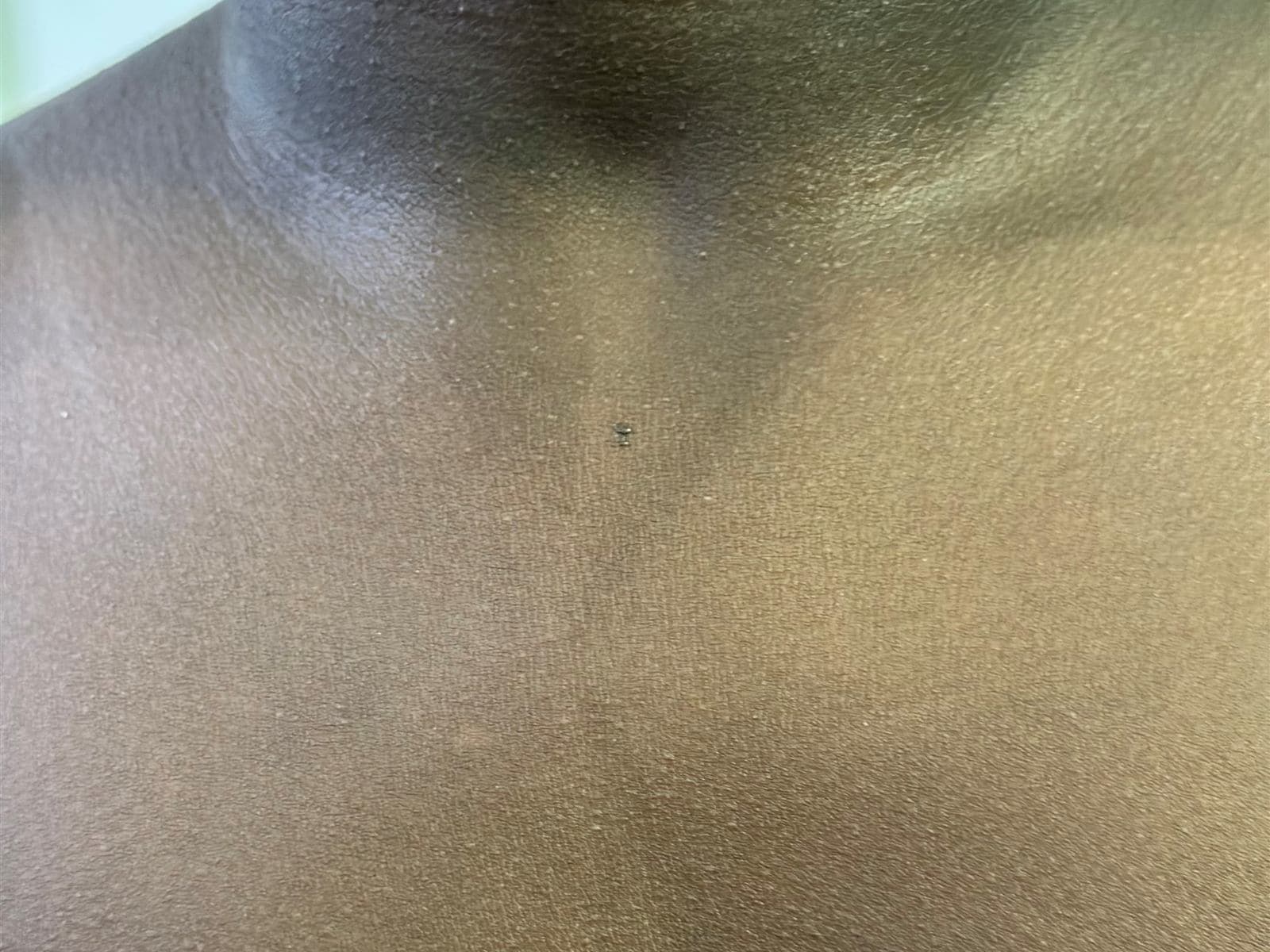
The rash has a distinctive feel and touch is more reliable than sight. It is fine and slightly rough, often described as like sandpaper or goose pimples, typically beginning on the chest and stomach and spreading outwards. On white skin it looks pink or red and blanches when pressed. On brown or black skin the colour change is much harder to see, so the sandpaper texture and the other signs matter more. The cheeks are often flushed while the area immediately around the mouth stays pale and the tongue can develop a white coating that peels to leave a red, bumpy surface sometimes called strawberry tongue. Skin may peel around the fingers and toes as it settles.
Scarlet fever is a notifiable disease in the UK, so cases are reported to public health teams. It needs a full course of antibiotics, which usually produces rapid improvement. Children should stay off school or nursery until 24 hours after starting antibiotics. Without treatment they remain infectious for two to three weeks. The NHS scarlet fever pages carry photographs, which are more useful than any description.
Impetigo and other skin infections
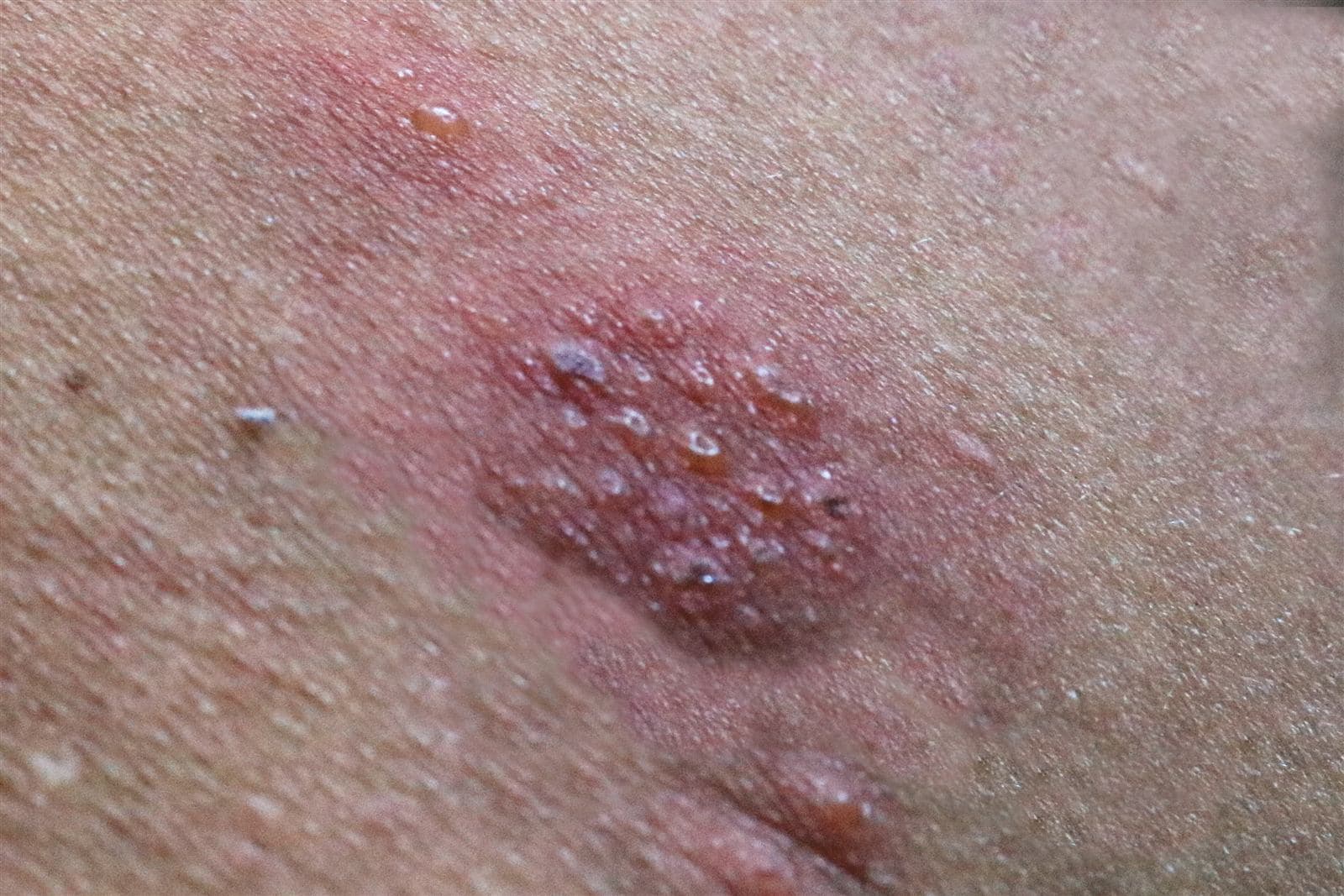
Strep A also causes skin infections. Impetigo produces golden crusted sores, often around the nose and mouth and is very contagious among children. It is treated with an antibiotic cream or tablets and is another Pharmacy First condition in England. Cellulitis, a deeper infection producing spreading redness, warmth and pain, needs prompt medical assessment. A skin infection that is spreading quickly, with severe pain out of proportion to how it looks, should be treated as urgent.
Invasive Group A strep
This is the rare and serious form, where the bacterium reaches the blood, deep tissue, the lungs or the joints. It is uncommon, but it moves fast and the UK saw a notable rise in cases and a number of child deaths during a surge a few winters ago, which is why awareness of it increased sharply.
The pattern that matters is deterioration rather than any single symptom. Seek urgent help if a child is getting worse rather than better, particularly after what seemed like an ordinary sore throat, chickenpox or a minor skin wound. Chickenpox is a recognised gateway, since the broken skin gives bacteria a route in, so any child with chickenpox who develops a high fever or a hot, spreading, very painful area of skin needs to be seen.
The warning signs to act on: a fever that will not come down with paracetamol or ibuprofen, a child who is drowsy, floppy, unusually irritable or difficult to wake, breathing fast or with difficulty, not drinking and passing very little urine, a rash that does not fade when you press it, severe pain in a limb or a limp they cannot explain, mottled, blue or grey skin, or cold hands and feet with a hot body. Any of these warrants 999 or A&E rather than waiting for an appointment. Invasive strep is treated with intravenous antibiotics in hospital and early treatment makes a substantial difference.
How it spreads and how to reduce it
Strep A passes through coughs and sneezes, through direct contact and through contact with sores on the skin. Household transmission is common. The measures that help are the ordinary ones done properly: handwashing with soap, covering coughs, binning used tissues, keeping towels and flannels separate, not sharing cups or cutlery while someone is unwell and washing bedding and towels after an infection. Keep a child with scarlet fever or impetigo away from others until the antibiotic exclusion period has passed.
Advertisement
There is no vaccine against Strep A, though candidates are in development. Because viral infections often precede strep, keeping up with flu and chickenpox exposure sense helps indirectly.
What antibiotics are and are not for
It is worth being clear on this, because the message swings between extremes. Most sore throats do not need antibiotics and giving them unnecessarily drives resistance without helping the child. Confirmed or strongly suspected strep throat, scarlet fever, impetigo and cellulitis do need them and in those cases finishing the full course matters. The judgement of which is which is what a clinician or pharmacist is there for. The honest position is that you cannot always tell at home. If a sore throat comes with a high fever and no cold symptoms, or if a rash appears, that is the point to have it looked at rather than waiting it out.
A quick recap
Strep A commonly causes sore throat, scarlet fever and impetigo, all of which respond to antibiotics. A sore throat with fever but no cough or runny nose is more likely to be strep than viral. Scarlet fever adds a fine sandpaper rash, flushed cheeks with a pale ring round the mouth and sometimes strawberry tongue and needs a full antibiotic course with 24 hours off school after starting it. Invasive Strep A is rare but fast: the signal is a child getting worse rather than better and it needs emergency care.
Frequently asked questions
How can I tell strep throat from a viral sore throat?
Strep is more likely with a sudden severe sore throat, fever, swollen neck glands and pus on the tonsils but no cough or runny nose. A swab or a clinical assessment confirms it.
Is scarlet fever dangerous?
Treated promptly with antibiotics it usually resolves without problems. It is taken seriously because untreated Strep A can occasionally lead to complications or invasive disease.
How long is scarlet fever contagious?
Until 24 hours after starting antibiotics. Without treatment, someone can remain infectious for two to three weeks.
What does the scarlet fever rash feel like?
Fine and rough, often compared to sandpaper. Texture is a more reliable guide than colour, especially on brown or black skin where redness is hard to see.
Can adults get Strep A and scarlet fever?
Yes, though scarlet fever is far more common in children aged two to eight. Adults more often get strep throat or skin infections.
Is there a vaccine for Strep A?
Not currently. Vaccines are in development, so prevention rests on hygiene and on prompt treatment of cases.
Why is chickenpox mentioned alongside Strep A?
Broken chickenpox skin gives bacteria a way in, so a child with chickenpox who develops a high fever or a hot, painful, spreading patch of skin should be seen urgently.
Advertisement