Fever in Children: What Counts as High and When to Worry
Advertisement
Few things worry parents more than a hot, unhappy child in the middle of the night. Fever is extremely common in childhood and is usually a sign that the immune system is fighting an infection such as a cold, flu or an ear infection. Most children with a fever get better at home. The difficult part is knowing which signs mean a child needs urgent medical help. The temperature number itself is only one part of that decision.
What counts as a fever
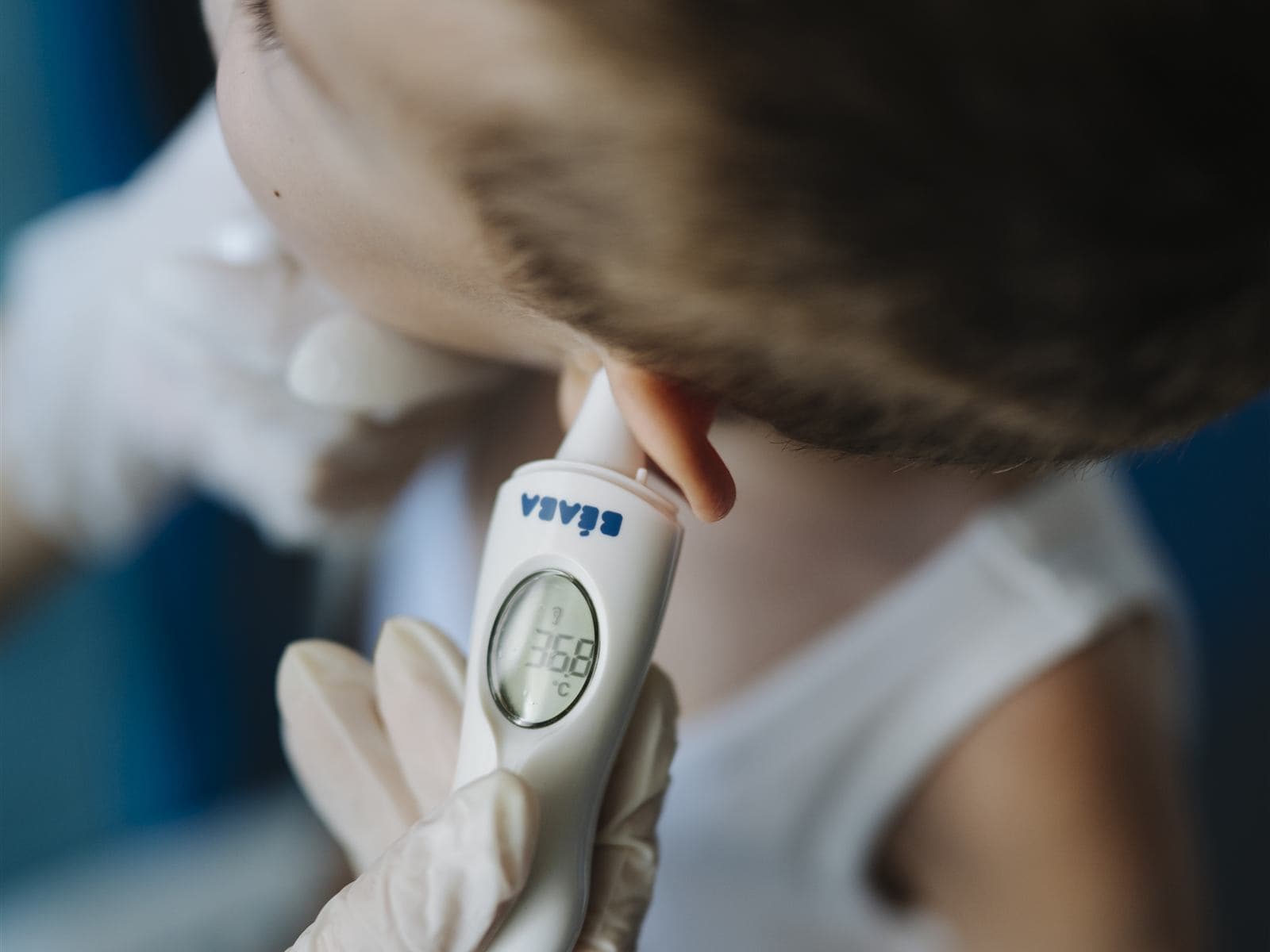
In children, a temperature of 38C or above is generally considered a fever. Normal body temperature varies slightly. Readings can differ depending on where and how they are taken. Digital thermometers placed under the armpit are commonly recommended for babies and young children, while ear thermometers are often used for older children. Forehead strips are less reliable. Do not use a glass mercury thermometer.
Why age matters
A baby under three months old with a temperature of 38C or above needs urgent medical assessment, even if they otherwise seem well. For babies aged three to six months, a temperature of 39C or above should also prompt urgent advice. In older children, how the child looks and behaves is often more important than the exact number. A child who is playful, drinking and alert with a temperature of 39C may be less worrying than a child with a lower temperature who is floppy, drowsy or breathing fast.
Caring for a child with a fever at home
Offer regular drinks, including breast milk or formula for babies. Dress the child in light clothing and use a sheet or light blanket so they are neither bundled up nor shivering. Keep the room at a comfortable temperature. Check on them regularly, including during the night.
Do not sponge children with cold or lukewarm water. It does not help reduce fever effectively and can make them uncomfortable. Children with a fever can still go outside or travel if they feel well enough, but keep them away from nursery or school while they are unwell and have a fever.
Using paracetamol and ibuprofen
Paracetamol or ibuprofen can make a child more comfortable. The aim is to relieve distress rather than to bring the temperature down to a particular number. Always follow the dose on the packet for the child's age and weight, or ask a pharmacist.
Use one medicine first. If a child remains distressed before the next dose is due, speak to a pharmacist or clinician about whether switching to the other medicine is appropriate. Do not give both at the same time routinely. Ibuprofen should not be given to children with chickenpox unless advised by a doctor. Some children with asthma or dehydration may need advice before using it. Aspirin should not be given to children under 16.
Febrile convulsions
Some children between six months and five years have a fit when they have a fever, called a febrile convulsion or febrile seizure. The child may become stiff, twitch or shake, lose consciousness and be drowsy afterwards. It is frightening to watch, but most febrile convulsions are short and do not cause lasting harm.
During a convulsion, place the child on their side on a soft surface, keep them away from anything that could hurt them, do not put anything in their mouth and time how long it lasts. Call 999 if it is their first fit, it lasts more than five minutes, they do not recover quickly, they have difficulty breathing or you are worried. Giving medicine does not reliably prevent febrile convulsions.
Warning signs that need urgent help
Call 999 or go to A&E if a child has any of the following:
- A fit, especially for the first time or lasting more than five minutes
- Blue, grey, mottled or very pale skin, lips or tongue
- A rash that does not fade when a glass is pressed against it
- Difficulty breathing, grunting, pauses in breathing or the skin pulling in under the ribs
- A floppy, unresponsive or very drowsy child who is hard to wake
- A stiff neck, bulging soft spot on a baby's head or dislike of bright lights
- Signs of serious dehydration, such as no wet nappy for 12 hours with a sunken soft spot
These can be signs of sepsis, meningitis or another serious illness.
Advertisement
When to contact a GP or NHS 111
Get medical advice the same day if a baby under three months has a temperature of 38C or above, a baby aged three to six months has a temperature of 39C or above, a child has had a fever for five days or more, is not drinking or has fewer wet nappies, has a fever with a new rash, seems to be getting worse or you feel something is wrong. Trust your instinct. Parents often notice when a child is unwell in a different way. Our guide to choosing between 111, a pharmacy and A&E can help decide where to go.
Common causes of fever
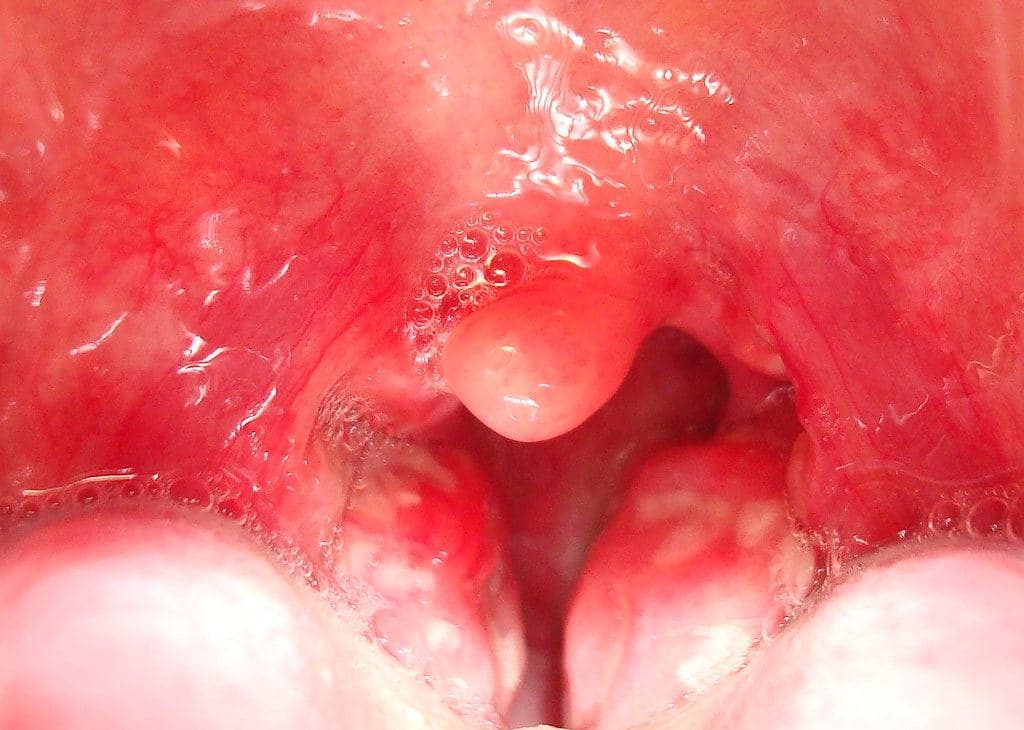
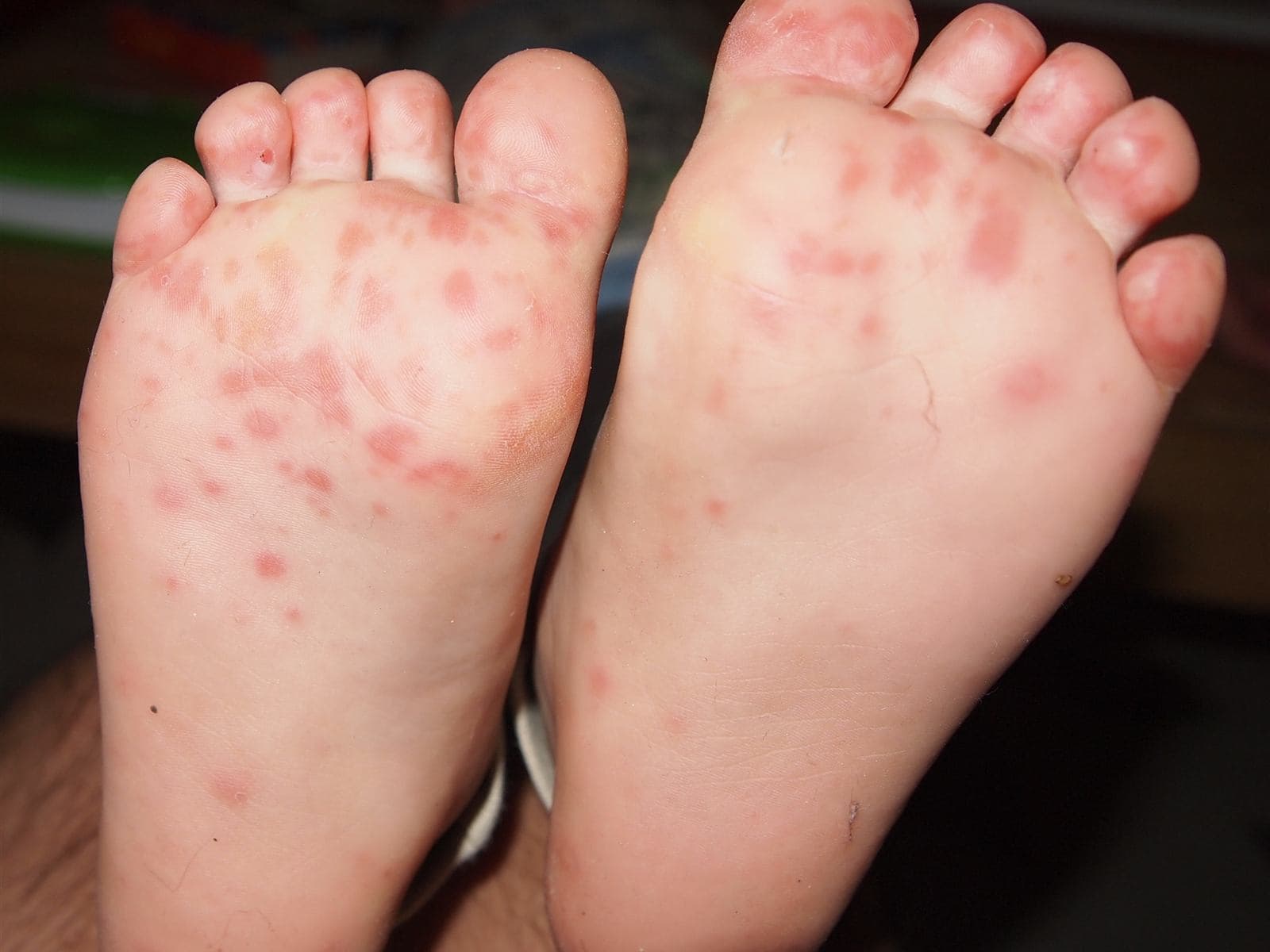
Most fevers are caused by viral infections such as colds, flu and RSV. Other causes include ear infections, throat infections, urine infections, chest infections and hand, foot and mouth disease. Vaccinations can also cause a mild fever for a day or two. The NHS fever in children pages set out the main points for parents.
A quick recap
A temperature of 38C or above is a fever in children. Babies under three months with 38C or above need urgent assessment. Babies aged three to six months with 39C or above need urgent advice. Offer fluids, dress children lightly and use paracetamol or ibuprofen for comfort, not to hit a target temperature. Do not sponge children. Call 999 for fits, non-fading rashes, breathing difficulty, mottled or blue skin or a child who is floppy or hard to wake.
Frequently asked questions
What temperature is a fever in a child?
A temperature of 38C or above is generally considered a fever.
When is a fever an emergency in a baby?
A baby under three months with a temperature of 38C or above needs urgent medical assessment, even if they otherwise seem well.
Should I wake my child to give paracetamol?
Usually not if they are sleeping comfortably. Check on them regularly and seek advice if you are worried.
Can I give paracetamol and ibuprofen together?
Not routinely. Use one first and speak to a pharmacist or clinician about switching if your child remains distressed.
Should I cool my child with a cold flannel or bath?
No. Sponging with cold or lukewarm water is not recommended.
Are febrile convulsions dangerous?
Most are brief and harmless, but call 999 for a first fit, one lasting more than five minutes or if the child does not recover quickly.
How long can a fever last in a child?
Many viral fevers settle within three days. Seek medical advice if a fever lasts five days or more.
Advertisement