Chickenpox: Symptoms, How Long It Is Contagious and the New UK Vaccine
Advertisement
Chickenpox has long been treated in the UK as an unavoidable part of childhood. Most children catch it, feel miserable for a week and recover without problems. That is still true for the majority, but it is not the whole story. Chickenpox can occasionally cause serious complications in healthy children, it is noticeably more severe in adults. It also poses specific risks in pregnancy and for newborn babies. The UK has also changed its approach to vaccination, which is shifting the picture for the next generation.
What causes chickenpox
Chickenpox is caused by the varicella-zoster virus. It spreads very easily, through coughs and sneezes and through contact with fluid from the blisters. Around nine in ten people who are not immune will catch it after close household contact. After recovery the virus does not leave the body. It lies dormant in the nerves and can reactivate decades later as shingles, which we cover in our guide to shingles.
Symptoms and timeline
Symptoms appear 10 to 21 days after exposure. Some people feel unwell for a day or two before the spots appear, adults more often than children, with a mild fever, aches and loss of appetite.
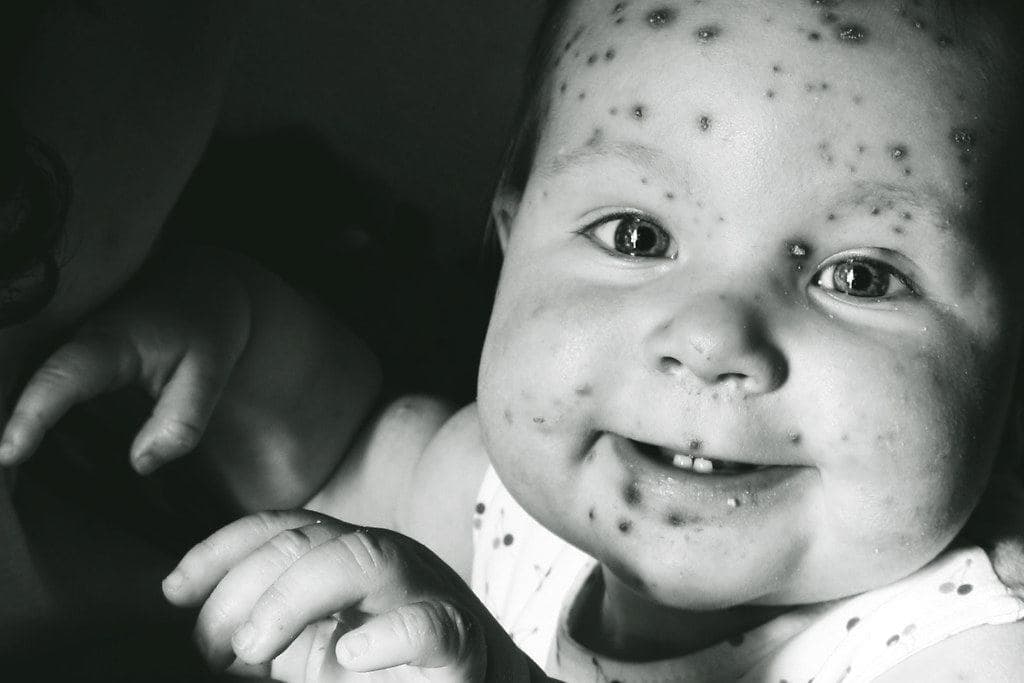
The spots then come in waves. They start as small red or darker spots, often on the chest, back, face and scalp, then spread across the body, including inside the mouth and sometimes around the genitals. Within hours they turn into fluid-filled blisters that are intensely itchy. Over the next few days the blisters burst and crust over. New crops keep appearing for three to five days, so at any one time there is usually a mixture of fresh spots, blisters and scabs. On brown or black skin the spots may look darker, purplish or similar to the surrounding skin rather than red, but the blistering pattern is the same.
Most children are over the worst within a week. Scabs fall off over the following one to two weeks.
How long it is contagious
Chickenpox is infectious from one to two days before the spots appear until all the blisters have crusted over, which is usually around five days after the first spots. A child can return to school or nursery once every spot has crusted. There is no need to wait for the scabs to fall off.
During the infectious period, keep away from pregnant women who have not had chickenpox, newborn babies and anyone with a weakened immune system. This includes waiting rooms: phone a GP or pharmacy before visiting.
Looking after someone with chickenpox
The main aims are to reduce itching, prevent infection of the spots and keep a child comfortable. Paracetamol helps with fever and discomfort. Drink plenty of fluids, particularly if spots in the mouth make eating painful. Cooling gels, calamine-type lotions or antihistamine medicines suitable for the child's age can help with itching. A pharmacist can advise on which to use. Keep fingernails short, dress children in loose cotton clothing and consider cotton mittens at night to limit scratching.
Do not give ibuprofen to someone with chickenpox unless a doctor advises it. Ibuprofen has been linked to an increased risk of serious skin infections in chickenpox. Never give aspirin to children under 16.
Complications
The most common complication is bacterial infection of the spots, which may become red, hot, swollen and painful. A more serious concern is invasive Group A strep, where bacteria enter through broken skin. Seek urgent medical help if a child with chickenpox develops a high fever that returns after starting to settle, a hot and very painful area of skin that is spreading, or becomes drowsy or unusually unwell. Our guide to Strep A and scarlet fever explains why chickenpox is a recognised gateway.
Rarer complications include pneumonia, which is more common in adults and smokers, plus inflammation of the brain, which may cause unsteadiness or severe headache.
Adults, pregnancy and newborns
Adults who catch chickenpox often have more spots, a higher fever and a longer illness than children, with a higher risk of pneumonia. Adults who see a GP or pharmacist within 24 hours of the rash appearing may be offered antiviral medicine.
Advertisement
If you are pregnant and have been in contact with chickenpox but have not had it before or are unsure, contact your GP or midwife promptly, ideally before any symptoms. A blood test can check immunity. Treatment may be offered to reduce the risk of serious illness. Chickenpox in pregnancy can occasionally cause complications for both mother and baby. Newborn babies and anyone with a weakened immune system who is exposed should also get medical advice quickly.
The chickenpox vaccine in the UK
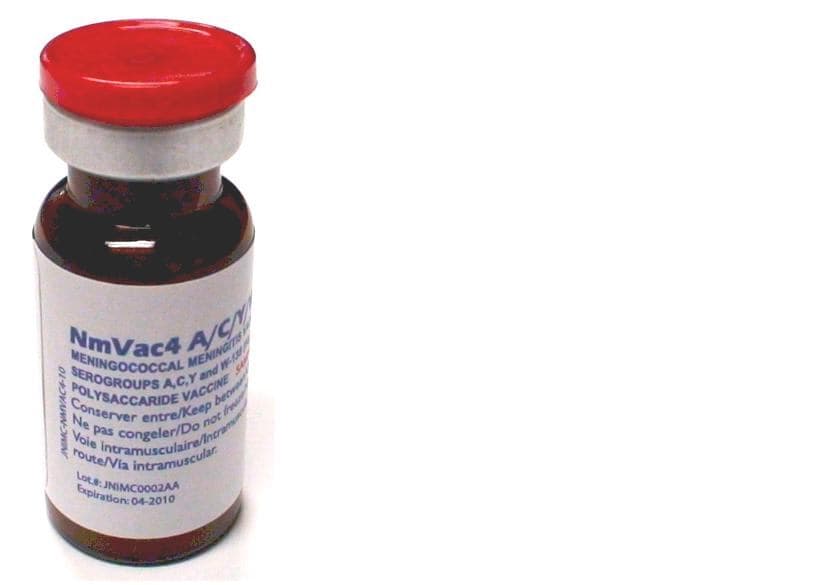
For many years the UK did not routinely vaccinate against chickenpox, partly because of concern about shingles patterns in adults. That has now changed. Following advice from the Joint Committee on Vaccination and Immunisation, chickenpox protection has been added to the routine childhood schedule through a combined measles, mumps, rubella and varicella vaccine, known as MMRV, given in the second year of life. Children who have already had chickenpox do not need extra protection. Some catch-up arrangements depend on age. The NHS chickenpox vaccine pages set out the current schedule.
A separate chickenpox vaccine has been available privately for years for adults and older children who have never had the illness. It is also offered on the NHS to some people who are in close contact with someone whose immune system is weakened. Our guide to measles and the MMR vaccine covers the other components of the combined vaccine.
When to get help
Speak to a pharmacist, GP or NHS 111 if spots look infected, a child is dehydrated or not drinking, you are an adult with chickenpox, or you are pregnant, have a newborn or a weakened immune system and have been exposed. Call 999 or go to A&E for difficulty breathing, chest pain, a child who is floppy or very drowsy, a rash that becomes purple and does not fade under pressure, severe headache, a stiff neck, fits or skin around blisters that is rapidly spreading, red, hot and extremely painful.
A quick recap
Chickenpox appears 10 to 21 days after exposure as itchy spots that blister then crust in waves. It is infectious from a day or two before the spots until all have crusted, usually about five days. Use paracetamol, fluids and itch relief, but avoid ibuprofen. Watch for infected spots and signs of invasive strep. Adults, pregnant women, newborns and people with weakened immune systems need prompt advice. The UK now includes chickenpox in the routine childhood schedule through the MMRV vaccine.
Frequently asked questions
When can my child go back to school after chickenpox?
Once all the spots have crusted over, which is usually about five days after they first appear. There is no need to wait for scabs to fall off.
Can you get chickenpox twice?
It is uncommon but possible. Most people have lifelong immunity after one episode, though the virus can later reactivate as shingles.
Why should I not give ibuprofen for chickenpox?
Ibuprofen has been linked to a higher risk of serious skin infections during chickenpox. Paracetamol is recommended instead unless a doctor advises otherwise.
Can adults catch chickenpox from shingles?
Someone who has never had chickenpox or the vaccine can catch chickenpox from the fluid in shingles blisters. They cannot catch shingles directly.
Is chickenpox dangerous in pregnancy?
It can be. If you are pregnant, have been exposed and are not sure you are immune, contact your GP or midwife quickly.
Do scars from chickenpox fade?
Most marks fade over months. Deep scars are more likely if spots become infected or are scratched heavily.
Is the chickenpox vaccine now routine in the UK?
Yes, chickenpox protection has been added to the routine childhood schedule as part of the MMRV vaccine. Check the NHS schedule for the current timing.
Advertisement