Whooping Cough: Symptoms, How Long It Lasts and the Vaccine in Pregnancy
Advertisement
Whooping cough, or pertussis, is one of those illnesses many people assume was dealt with decades ago. It was not. The UK saw its largest outbreak in years recently, with cases running many times higher than the preceding period and infant deaths recorded among the youngest and least protected. It is a bacterial infection, it is vaccine-preventable and the reason it still kills babies is that the most vulnerable group is too young to be vaccinated themselves.
What whooping cough is
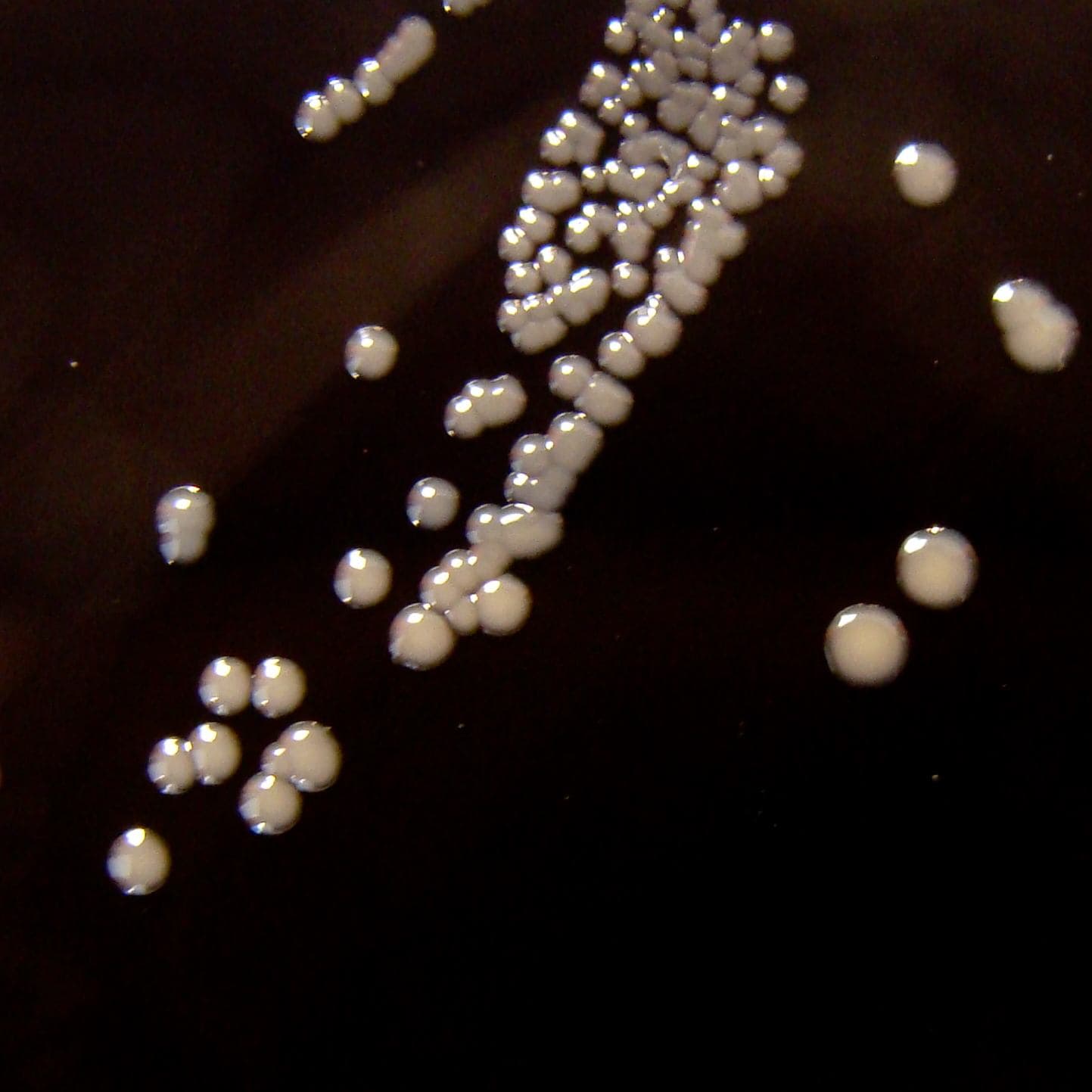
Pertussis is caused by the bacterium Bordetella pertussis, which attaches to the lining of the airways and releases toxins that damage the tiny hairs responsible for clearing mucus. The result is an airway that cannot clear itself, which is why the cough is so violent and so persistent. It spreads through coughing and sneezing and is highly contagious among people without immunity.
Immunity from both the vaccine and a previous infection wanes over years, which is the key fact behind the current pattern. Adults and teenagers whose protection has faded catch it, often without realising what it is and pass it to infants. Most babies who end up in hospital with pertussis were infected by someone in their own household.
The three stages
Whooping cough has an unusually well-defined course, which is what makes it identifiable in hindsight even when it is missed at the start.
For the first week or two it looks like an ordinary cold: runny nose, sore throat, a mild cough, perhaps a slight temperature. This is the most infectious phase and almost nobody suspects pertussis, which is precisely the problem.
Then the cough changes. It comes in long bursts, sometimes twenty or thirty coughs in a row without a chance to breathe, often worse at night. The bursts can end in vomiting, in a red or purple face, or in the sharp intake of breath that gives the illness its name. Between bouts the person may seem perfectly well, which misleads people into thinking it cannot be serious. This stage commonly lasts two to six weeks and importantly the whoop itself is often absent, particularly in adults, teenagers and vaccinated children. An adult with pertussis frequently has nothing more distinctive than a dry cough that will not go away.
Recovery is then slow. The cough gradually eases over weeks to months, which is why pertussis has long been nicknamed the hundred day cough. Coughing fits can return for a while with any subsequent cold.
Why babies are the real concern
In babies under six months, whooping cough often does not look like coughing at all. Instead they may have pauses in breathing, called apnoea, going briefly blue or grey, or they may simply stop feeding and become exhausted. A very young baby can be seriously unwell with pertussis without ever producing a recognisable cough and this is the single most important thing for new parents to know.
Complications in infants include pneumonia, dehydration from being unable to feed, seizures and, rarely, brain damage from lack of oxygen. Almost all pertussis hospital admissions and deaths in the UK are in babies under three months old, before the vaccine schedule can protect them. That timing gap is the entire reason the maternal vaccine exists.
The vaccine in pregnancy
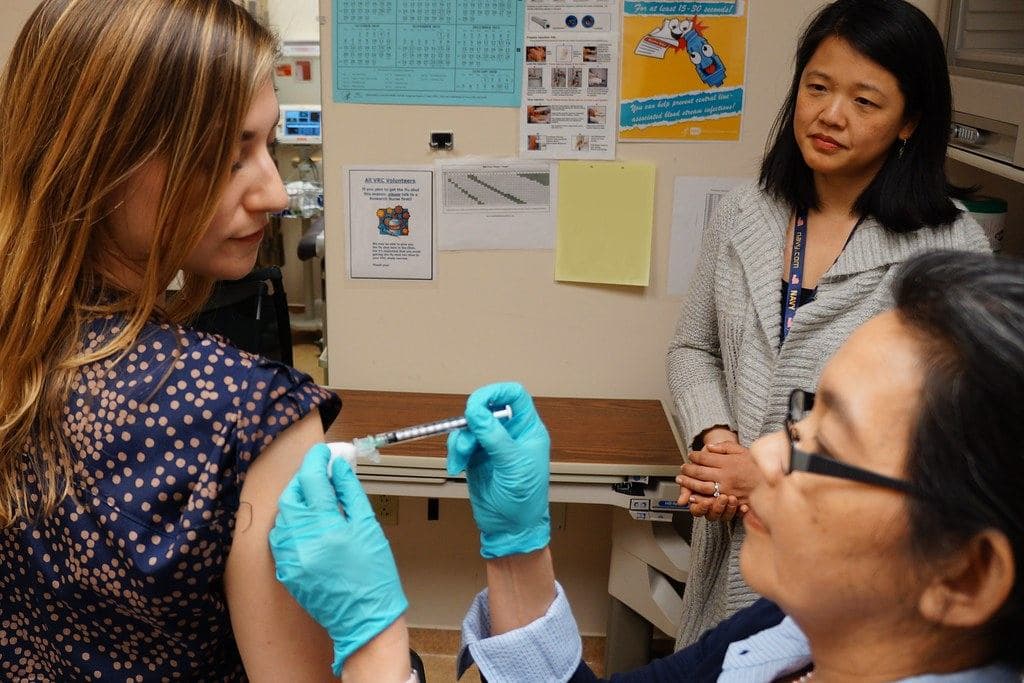
Pregnant women in the UK are offered the pertussis vaccine from around 20 weeks and ideally before 32 weeks. As with the RSV vaccine, the purpose is to get antibodies across the placenta so the baby is born already protected through the first weeks of life. It is highly effective at this: studies of the UK programme have found it prevents the large majority of pertussis cases in infants too young for their own doses.
The vaccine is recommended in every pregnancy, even if you had it in a previous one, because antibody levels fall and each baby needs its own transfer. It does not contain live bacteria. Babies then get their own protection through the routine schedule, with doses in the first months of life and a preschool booster, the details of which are on the NHS whooping cough vaccine pages. Uptake of the maternal vaccine fell in recent years and that decline tracks closely with the rise in infant cases.
There is no routine adult booster in the UK outside pregnancy, which is why adult immunity is patchy and why adults are a common source of infant infection. Our overview of every winter vaccine and who is eligible covers what else is offered in pregnancy.
Diagnosis and treatment
Whooping cough is confirmed with a swab or, later in the illness, a blood or saliva test. It is a notifiable disease, so cases are reported to public health teams who may offer antibiotics or vaccination to close contacts, particularly where there is a baby or a pregnant woman in the household.
Advertisement
Antibiotics are worth understanding correctly. Given in the first three weeks, they reduce how infectious you are and can shorten the illness. Given later, once the coughing stage is established, they do very little for the cough itself because the damage to the airway is already done, though they may still be prescribed to stop transmission. This is a common source of frustration: people take the antibiotics and the cough continues for weeks, which is expected rather than a sign the treatment failed.
Cough medicines do not help. There is no way to suppress a pertussis cough effectively. Care is about small frequent fluids, rest, keeping the room free of smoke and irritants and for a baby, careful attention to feeding and breathing. Babies under six months and anyone severely affected are usually admitted to hospital.
Staying off work and school
Stay away from work, school or nursery until either 48 hours of appropriate antibiotics have been completed or, if you are not taking antibiotics, for 21 days from when the cough began. Avoid contact with babies and pregnant women in that time. The 21 day figure surprises people and it reflects how long the bacteria can persist without treatment.
Could a long cough be whooping cough?
It is worth considering if a cough has lasted more than two or three weeks, comes in severe bursts, is worse at night, makes you retch or vomit, or if you have been around a confirmed case. Plenty of long coughs are not pertussis and post-viral cough after flu or COVID-19 is far more common, which we cover in why a cough lingers after a viral infection. The features that point towards pertussis are the paroxysmal bursts and feeling relatively normal between them. Ask your GP and say specifically that you are wondering about whooping cough, particularly if you are pregnant or live with a young baby.
When to get help urgently
Call 999 for a baby who has pauses in breathing, turns blue or grey, is struggling to breathe, is floppy or unresponsive, or is having a seizure. Contact your GP or NHS 111 promptly for a baby under six months with any suspected whooping cough, for anyone who cannot catch their breath between coughing bursts, for coughing up blood, chest pain, or a cough with high fever and breathlessness that could be pneumonia. If you are unsure which service to use, our guide to 111, pharmacies and A&E sets it out.
A quick recap
Whooping cough starts as a cold, then becomes a cough in violent bursts lasting two to six weeks, easing over months. Adults often have no whoop, just a stubborn cough and are the usual source of infant infection. Babies under six months may have breathing pauses rather than coughing and are the group at real risk. The vaccine in pregnancy from around 20 weeks protects the newborn and is recommended in every pregnancy. Antibiotics reduce spread but do not settle an established cough.
Frequently asked questions
How long does whooping cough last?
The severe coughing stage usually lasts two to six weeks, with a gradually easing cough for weeks or months after. The nickname is the hundred day cough.
Can you get whooping cough if you were vaccinated as a child?
Yes. Protection wanes over years, so teenagers and adults can catch it. The illness is usually milder, which is why it often goes unrecognised.
Do I need the whooping cough vaccine in every pregnancy?
Yes. Antibody levels fall between pregnancies and each baby needs its own transfer of protection, so it is recommended each time from around 20 weeks.
Does whooping cough always involve a whoop?
No. The whoop is most typical in unvaccinated young children. Adults, teenagers and vaccinated children often just have prolonged coughing bursts.
Do antibiotics cure the cough?
Not once the coughing stage is established. Early treatment can shorten the illness and reduce spread, but later on antibiotics mainly stop you infecting others.
How long should I stay off work?
Until 48 hours after starting appropriate antibiotics, or 21 days from the start of the cough if you are not taking them.
Can babies be vaccinated before the routine schedule?
The schedule begins in the first months of life and is not usually brought forward. Protecting a newborn depends on the maternal vaccine and on the people around them.
Advertisement