Shingles: Symptoms, Treatment and Who Gets the NHS Vaccine
Advertisement
If you have had chickenpox, the virus never left. It withdrew into nerve tissue near your spine and has been dormant there ever since. In about one in four people it reactivates at some point, usually decades later and travels back out along a single nerve to the skin. That is shingles. It is not something you catch from another person with shingles and its timing has more to do with age and immune function than with anything you did.
What it feels like before you see anything
Shingles often announces itself a few days before the rash and this is the part worth recognising, because treatment works best when started early. The first symptoms are usually in the skin rather than on it: burning, tingling, itching, numbness or a sharp stabbing pain in one specific band of skin, often on one side of the chest, back or abdomen, or around one eye. Some people feel generally unwell, with a headache or a mild temperature.
Because this pain has no visible cause yet, it gets mistaken for a pulled muscle, a trapped nerve, or depending on where it is, something considerably more alarming. A one-sided band of unexplained burning skin pain in an older adult is worth treating as possible shingles rather than waiting to see.
The rash
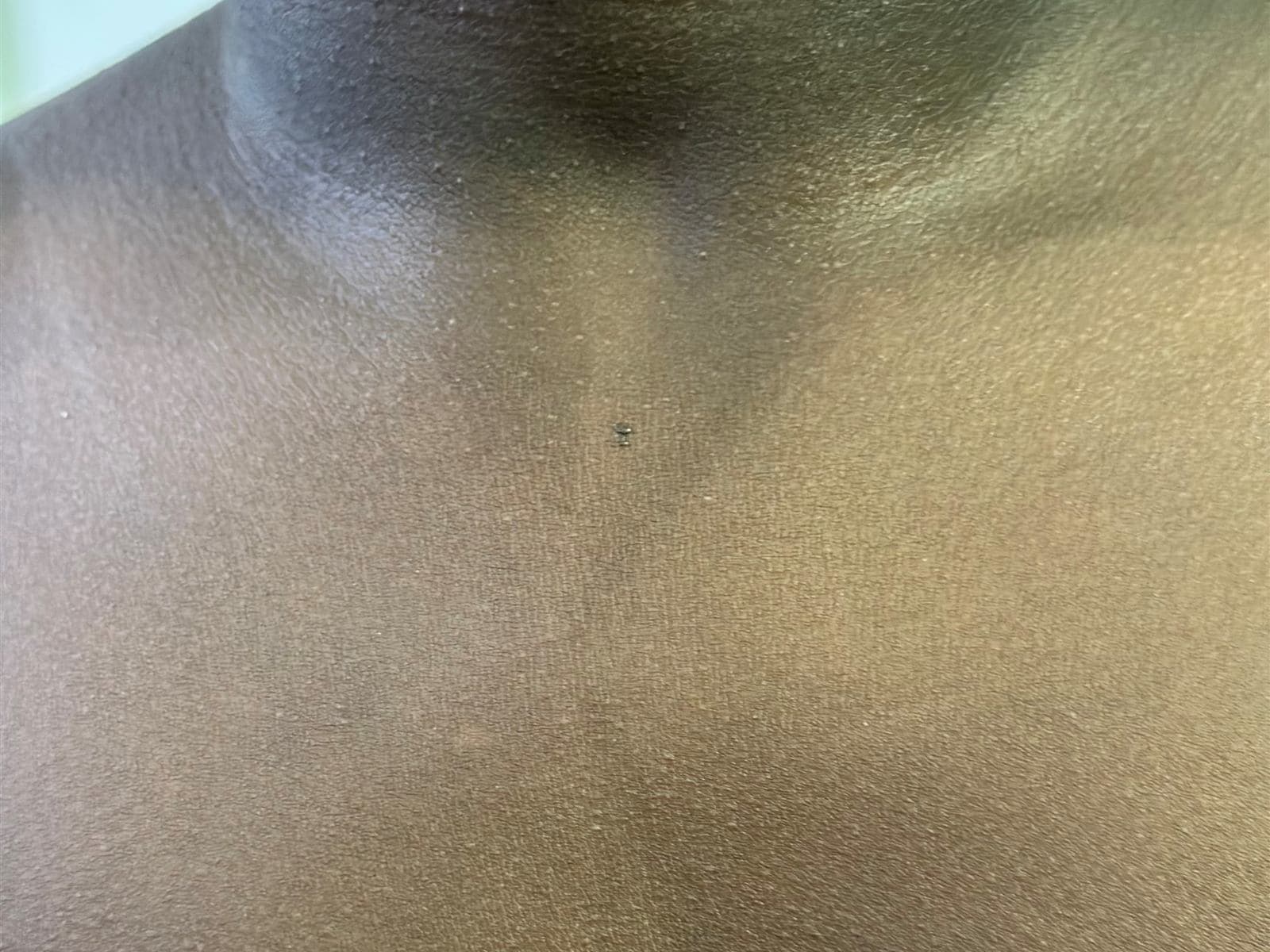
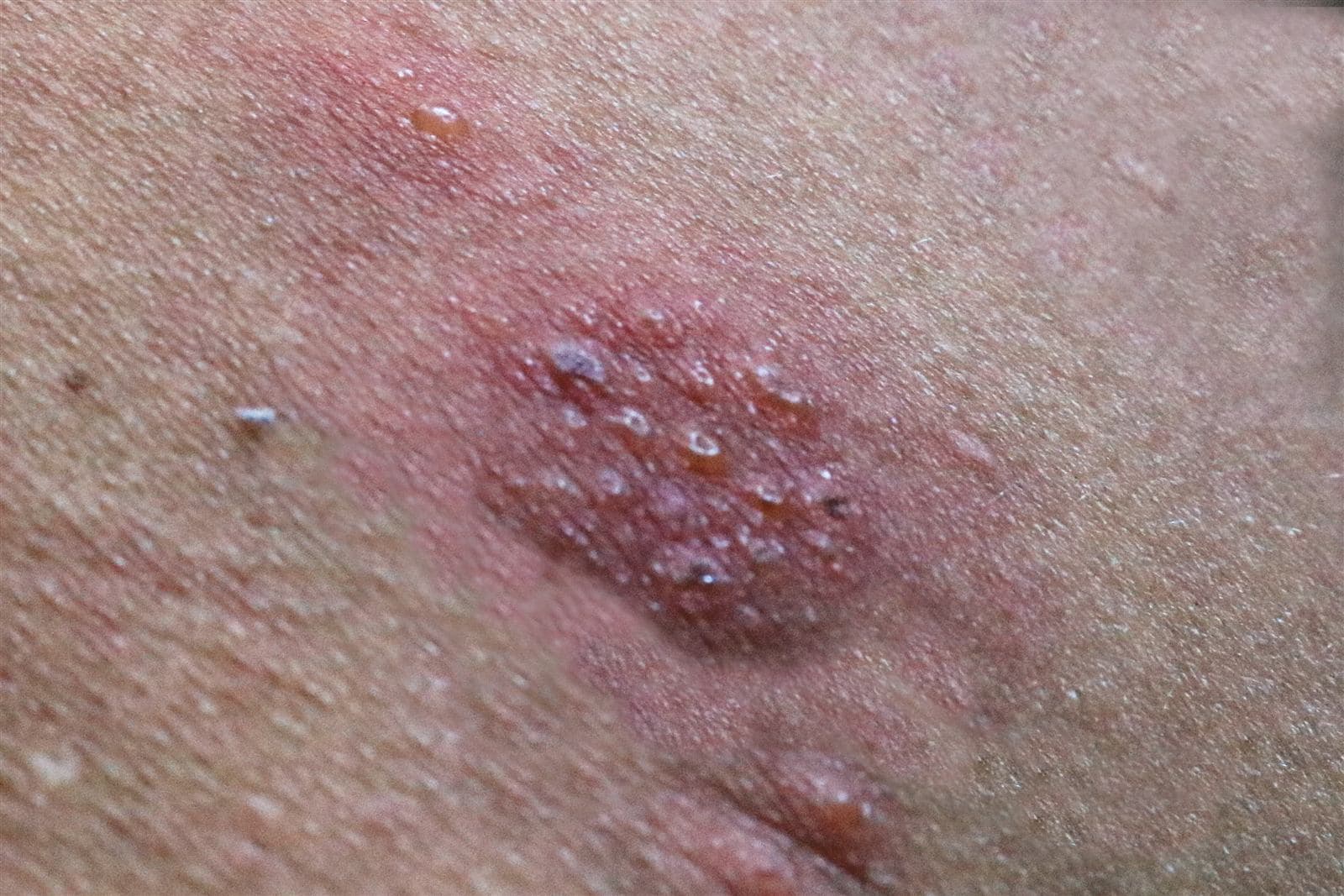
The rash then appears in that same band, following the territory of the affected nerve, which is why it is almost always on one side of the body and does not cross the midline. That distribution is the clearest diagnostic clue. It starts as red or discoloured patches, becomes small fluid-filled blisters over a few days, then crusts over and scabs, typically healing across two to four weeks. On brown or black skin the redness may be difficult to see, so the blistering, the pain and the one-sided band pattern matter more than colour.
The pain can be considerable and out of proportion to how the rash looks, often described as burning, electric or stabbing, with the skin so sensitive that clothing is uncomfortable.
One location is a genuine emergency: shingles affecting the eye or the skin around it, sometimes with a rash on the tip of the nose. This can threaten vision and needs same-day assessment. Shingles in or near the ear, which can affect hearing and cause facial weakness, also needs urgent attention.
Treatment and the 72 hour window
Antiviral tablets such as aciclovir reduce the severity and duration of shingles and lower the chance of lasting nerve pain. They work best started within 72 hours of the rash appearing, which is the single most useful fact in this article. Do not wait for an appointment that is a week away. In England, shingles is one of the conditions a community pharmacist can assess and treat directly under Pharmacy First for adults aged 18 and over, which is often the fastest route, as set out in our guide to which NHS service to use.
Beyond antivirals, pain relief matters and ordinary painkillers are often not enough, since nerve pain responds differently. A GP may prescribe medicines used specifically for nerve pain. Keep the rash clean and dry, wear loose clothing, use a cool compress rather than heat and do not use sticky dressings or antibiotic creams on the blisters. Cover weeping blisters with a non-adherent dressing while they are open.
Post-herpetic neuralgia
The complication that does the most long-term harm is post-herpetic neuralgia, nerve pain that continues after the rash has healed. It becomes markedly more likely with age, affecting a substantial minority of older people with shingles and it can persist for months or in some cases years. It is the main reason shingles is treated seriously rather than left to run its course and the main reason the vaccine exists. Treatments are available, including nerve pain medicines and topical options, though prevention is considerably better than management.
Can you pass it on?
You cannot give someone shingles. You can, however, give chickenpox to someone who has never had it or been vaccinated, because the blister fluid contains the virus. The risk exists only while blisters are open and weeping and it ends once everything has crusted over.
While that is the case, keep the rash covered, avoid sharing towels and avoid contact with pregnant women who have not had chickenpox, newborn babies and anyone with a weakened immune system. There is no need to stay off work if the rash can be covered and you feel well enough, unless you work with any of those groups.
The NHS shingles vaccine
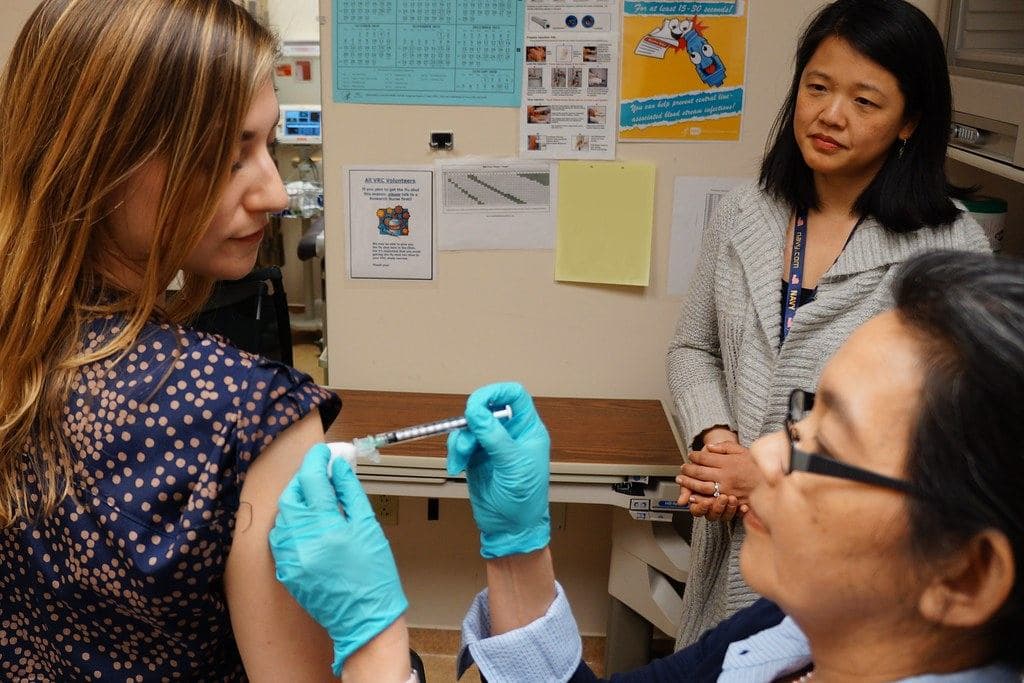
The shingles vaccination programme in England changed in 2023 and is now being rolled out in stages. Two groups are eligible: adults turning 65, with a phased catch-up moving through the older age groups over a number of years and adults aged 50 and over who have a severely weakened immune system, who are eligible immediately regardless of age.
Advertisement
The vaccine now used is given as two doses several months apart and unlike the older vaccine it contains no live virus, which is why it can be given to immunosuppressed people who could not previously have it. It substantially reduces the chance of getting shingles and, importantly, of developing post-herpetic neuralgia if you do. Because the rollout is phased by birth date, your eligibility depends on your age and when your GP practice reaches your cohort, so the NHS shingles vaccine pages are the place to check rather than assuming. Our overview of every winter vaccine and who is eligible puts it in context. Having had shingles already does not rule you out, since recurrence is possible.
What triggers it
The honest answer is that often nothing identifiable does. Reactivation becomes more likely as immune surveillance declines with age, which is why shingles is predominantly an illness of the over-50s. Immunosuppression from illness or medication raises the risk and significant physical or emotional stress is often reported around the time of an episode, though it is hard to separate cause from coincidence. Getting shingles does not mean you did something wrong or that something sinister is going on, though a first episode in someone young, or repeated episodes, is worth mentioning to a GP.
When to seek help urgently
Contact a pharmacist or GP the same day if you think you have shingles, particularly within 72 hours of the rash. Seek urgent help for shingles near the eye or on the nose, a rash affecting the ear with hearing change or facial weakness, widespread rash across multiple areas of the body, severe or uncontrolled pain, signs the rash has become bacterially infected with spreading redness and fever, or shingles in pregnancy or in anyone immunosuppressed. Go to A&E for confusion, a severe headache with a stiff neck, or weakness in a limb.
A quick recap
Shingles is the reactivation of the chickenpox virus along one nerve, giving pain or tingling in a one-sided band of skin days before a blistering rash appears. Antivirals work best within 72 hours and in England a pharmacist can assess and treat it directly. The main long-term risk is post-herpetic neuralgia, which rises with age. You cannot pass on shingles, only chickenpox and only while blisters are open. The NHS vaccine is offered at 65 with a phased catch-up and from 50 for severely immunosuppressed adults.
Frequently asked questions
How long does shingles last?
The rash usually heals over two to four weeks. Nerve pain can outlast it, particularly in older adults.
Is shingles contagious?
You cannot give someone shingles, but you can pass chickenpox to someone who has never had it, while blisters are open and weeping.
Why does the 72 hour window matter?
Antiviral treatment started within 72 hours of the rash appearing reduces severity and lowers the chance of lasting nerve pain. Later treatment is less effective.
Can a pharmacist treat shingles?
In England, yes, for adults aged 18 and over under Pharmacy First. That is often the quickest way to get antivirals inside the window.
Can you get shingles more than once?
Yes, though it is uncommon. Having had it does not make you ineligible for the vaccine.
Who can have the NHS shingles vaccine?
Adults turning 65, with a phased catch-up through older age groups and adults aged 50 and over with a severely weakened immune system. Check current eligibility with your GP practice.
Does stress cause shingles?
Stress is often reported around an episode and may contribute, though the dominant factor is age-related decline in immune control of the dormant virus.
Advertisement