Sepsis: The Signs in Adults and Children and Why Speed Matters
Advertisement
Sepsis is not an infection in itself. It is what happens when the body's response to an infection goes wrong and starts damaging its own tissues and organs. It can follow almost any infection: pneumonia, a urine infection, an infected wound, appendicitis, flu or COVID-19. In the UK it is thought to cause tens of thousands of deaths a year. A substantial share of them follow illnesses that began as something ordinary. The reason it is worth understanding is simple. Sepsis is treatable, but treatment works far better when it starts early. Early sepsis is easy to mistake for a bad bout of flu.
What happens in sepsis
Normally the immune system fights an infection locally. In sepsis that response becomes widespread and uncontrolled. Blood vessels become leaky, blood pressure falls, small clots form and organs stop receiving enough oxygen. The kidneys, lungs, brain and heart can all start to fail. Septic shock is the most severe stage, where blood pressure drops so far that it cannot be restored with fluids alone.
Anyone can develop sepsis, though the risk is higher in babies under one, adults over 75, people with diabetes or a weakened immune system, anyone who has recently had surgery or a serious illness and women who are pregnant or have recently given birth.
The warning signs in adults
The UK Sepsis Trust uses a set of signs that are worth knowing by heart. Seek emergency help if an adult with an infection, or who seems to be getting an infection, has any of the following:
- Slurred speech, confusion or unusual drowsiness
- Extreme shivering or severe muscle pain
- Passing no urine in a day
- Severe breathlessness
- A feeling that something is badly wrong, often described as feeling they might die
- Skin that is mottled, blue, grey or very pale
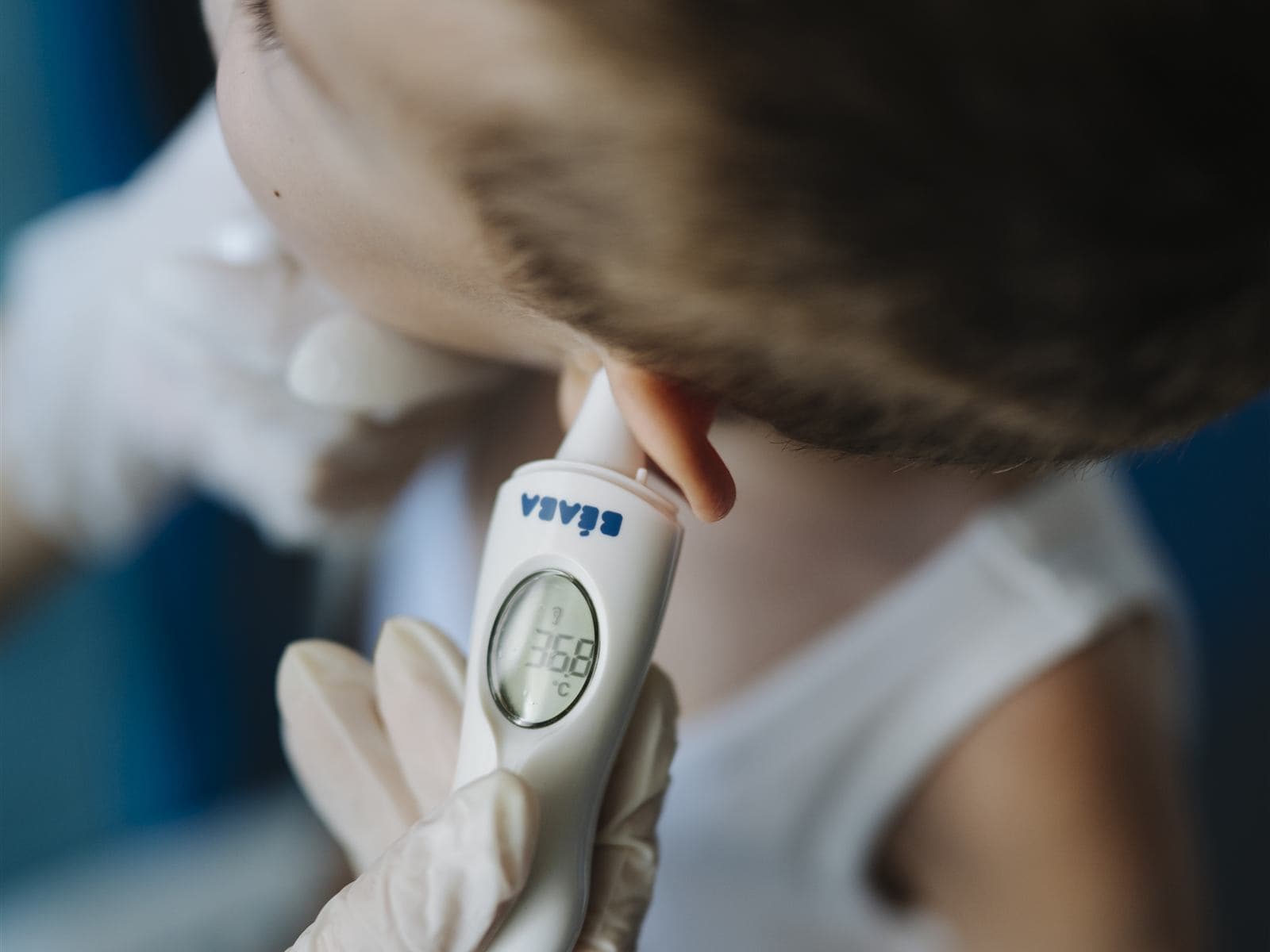
A very fast heart rate, a high temperature or an unusually low one can also be present. Temperature is an unreliable guide on its own, since some people with sepsis, particularly older adults, feel cold rather than hot. On brown or black skin, discolouration may be easier to see on the lips, tongue, palms and soles.
The warning signs in children
Children show sepsis differently and deteriorate quickly. Call 999 or go to A&E if a child is breathing very fast, has a fit or convulsion, looks mottled, blue or very pale, has a rash that does not fade when you press a glass against it, is very lethargic or difficult to wake, or feels abnormally cold to the touch.
For a child under five, also seek urgent help if they are not feeding, are vomiting repeatedly or have not had a wet nappy or passed urine for twelve hours. Parental instinct matters in sepsis. Guidance used by NHS clinicians explicitly treats a parent saying their child is not behaving like themselves as a meaningful sign. Our guide to fever in children and when to worry covers the wider picture.
Why speed matters so much
In hospital, suspected sepsis is treated as an emergency. The aim is to start intravenous antibiotics within an hour of recognition, alongside fluids, oxygen and blood tests to find the source. Every hour of delay in serious cases is associated with a higher risk of death. This is why the advice is to call 999 or go straight to A&E rather than waiting for a GP appointment. It is also reasonable to say directly: I think this could be sepsis. Saying the word prompts clinicians to check for it specifically.
Once stabilised, treatment deals with the underlying infection, which might mean draining an abscess, removing infected tissue or treating pneumonia. Some patients need intensive care to support failing organs for a time.
Common starting points
Most sepsis begins with a familiar infection. Chest infections and pneumonia are the most frequent source, followed by urinary tract infections, which are a particularly common trigger in older adults, as covered in our guide to urine infections. Abdominal infections, skin infections and infected wounds make up much of the rest. In children, meningitis and invasive Group A strep are important causes.
What matters is not the starting infection but the change. Someone who has had a urine infection for a couple of days and suddenly becomes confused, breathless or mottled has moved into a different situation. That deterioration is the thing to act on.
Advertisement
Reducing the risk
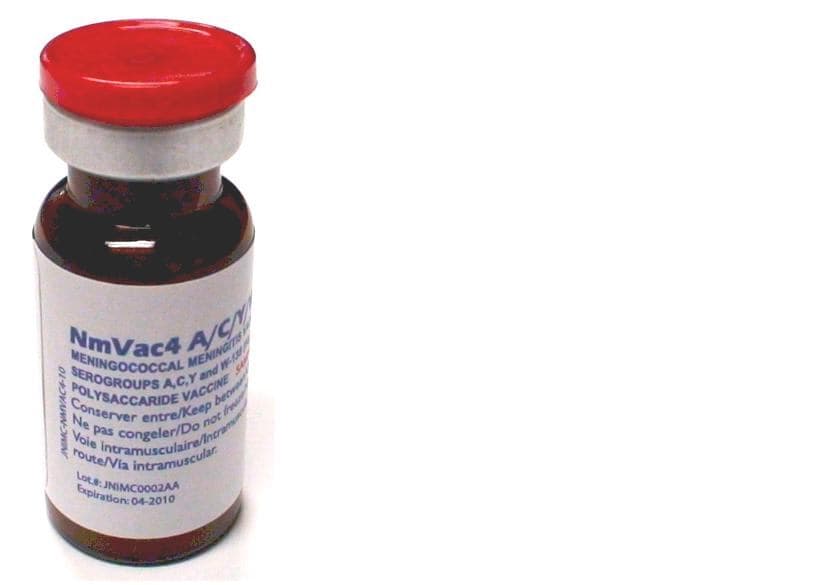
There is no single way to prevent sepsis, but the risk falls when infections are prevented or treated promptly. Vaccination helps directly: flu, pneumococcal, COVID-19 and meningitis vaccines all reduce infections that commonly lead to sepsis. Our overview of winter vaccines and who is eligible sets out what is offered. Clean and cover wounds, finish antibiotic courses as prescribed, keep long-term conditions such as diabetes well managed and seek help if an infection is getting worse rather than better.
After sepsis
Many people recover fully, though recovery often takes longer than expected. Post-sepsis syndrome describes the physical and psychological effects that can last for months: exhaustion, muscle weakness, poor sleep, hair loss, difficulty concentrating, low mood, anxiety and flashbacks to time in hospital. People who have had sepsis are also at higher risk of getting it again, particularly in the months that follow. If you are recovering, it is worth asking your GP about follow-up. The UK Sepsis Trust runs support services for survivors and families. The NHS sepsis pages set out the signs and support available.
A quick recap
Sepsis is a dangerous overreaction of the body to an infection and can follow almost any infection. In adults watch for confusion, extreme shivering or muscle pain, no urine in a day, severe breathlessness, mottled or discoloured skin and a feeling that something is badly wrong. Children may breathe fast, fit, look mottled, be very lethargic or feel abnormally cold. Call 999 or go to A&E and ask directly whether it could be sepsis, because treatment within the first hour makes a real difference.
Frequently asked questions
Is sepsis contagious?
No. Sepsis itself cannot be passed on, although the infection that caused it sometimes can be.
Can you have sepsis without a fever?
Yes. Some people have a normal or low temperature, particularly older adults and people with weakened immune systems. Judge by the overall picture rather than temperature alone.
How quickly does sepsis develop?
It can develop over hours or over a few days. The key sign is someone with an infection getting noticeably and quickly worse.
Should I call 111 or 999 if I suspect sepsis?
Call 999 or go to A&E if the warning signs are present. Use 111 only if you are unsure and none of the red flags apply.
Can a small cut cause sepsis?
It can, although it is uncommon. Watch for spreading redness, heat, swelling, increasing pain and feeling generally unwell after any wound.
How long does recovery from sepsis take?
It varies widely. Some people feel normal within weeks while others experience post-sepsis syndrome for months, with fatigue, weakness, poor sleep and low mood.
Can you get sepsis more than once?
Yes. People who have had sepsis are at higher risk of another episode, especially in the months afterwards, so prompt treatment of new infections matters.
Advertisement