COVID-19 Booster Vaccine: Autumn/Winter 2026 Eligibility and How to Book

Advertisement
The NHS runs seasonal COVID-19 booster programmes for people at higher risk of serious illness from the virus. The current programme is the Autumn/Winter 2026 booster, running from 1 October 2026 to 31 January 2027 and offered alongside the seasonal flu vaccination programme.
Who's eligible
The Autumn/Winter 2026 booster is offered to adults aged 75 and over, residents in care homes for older adults and people aged 6 months and over with a weakened immune system, in line with the vaccination service specification published by NHS England. This targeted approach reflects the fact that these groups face a meaningfully higher risk of severe illness from COVID-19 than the general population, making the benefit of an additional seasonal dose clearest for them. Eligibility for this programme is unchanged from the spring 2025, autumn 2025 and spring 2026 campaigns.
What happened to the Spring 2026 booster
The Spring 2026 programme ran from 13 April to 30 June 2026 for the same eligible groups and has now closed. If you were eligible but missed it, or you've become newly eligible since then, for example due to a diagnosis affecting your immune system, the Autumn/Winter 2026 programme is your next opportunity to get vaccinated. There's no need to wait for a further spring round to catch up.
Why boosters are offered twice a year for some groups
Unlike the general population, who are typically offered a single seasonal dose each autumn, higher-risk groups are offered vaccination twice a year, in spring and autumn. This reflects both their greater vulnerability to severe illness and evidence that protection from vaccination can wane over a period of months, making a six-monthly schedule more appropriate for those who stand to benefit most.
How to book
Eligible people are generally invited by letter, text or through the NHS App and can book an appointment through the National Booking Service, by contacting their GP surgery, or in some areas by attending a walk-in vaccination site without a pre-booked appointment. If you believe you're eligible but haven't been contacted, your GP surgery is the best first point of contact to check your records and arrange a booking. Many community pharmacies also offer appointments directly during the programme window.
What to expect at your appointment
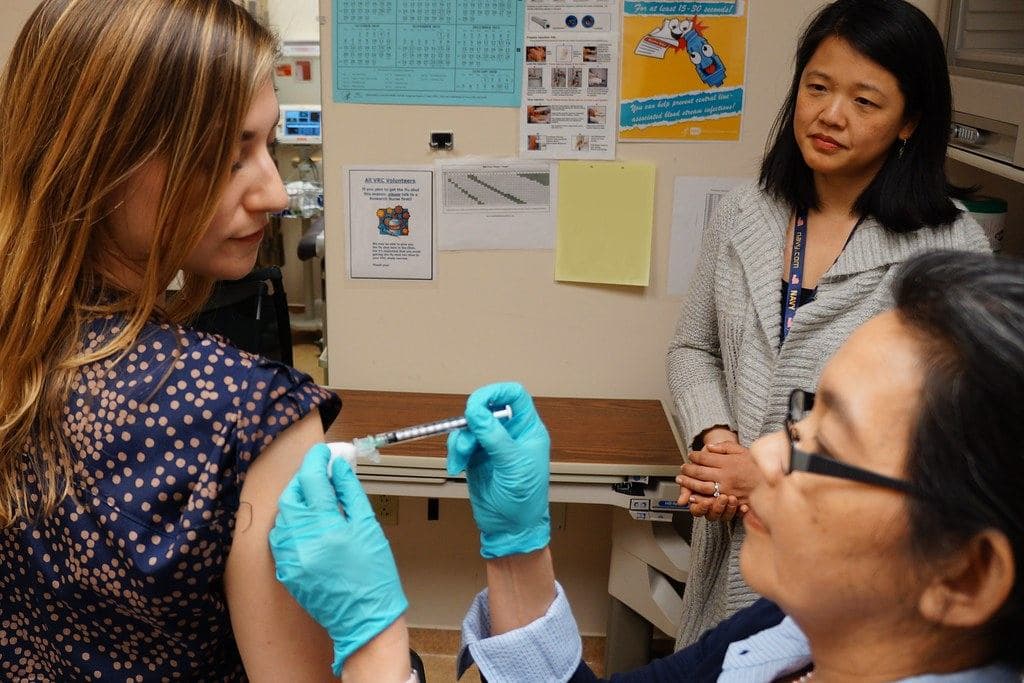
COVID-19 vaccination appointments are typically quick, involving a short health check, the injection itself, usually in the upper arm and a brief observation period afterwards. Vaccinators can answer specific questions about the vaccine being offered and any relevant precautions for your individual health circumstances.
Possible side effects
Most people experience only mild, short-lived side effects after a COVID-19 booster, such as a sore arm, tiredness, or a mild headache lasting a day or two. Serious side effects remain rare. Anyone with concerns about a specific side effect, or a significant reaction following a previous dose, should discuss this with their GP or the vaccination team before their appointment so it can be properly assessed against their individual circumstances.
Why the eligibility criteria are set this way
Vaccine eligibility for seasonal booster programmes is set by the Joint Committee on Vaccination and Immunisation (JCVI), an independent expert body that advises the UK government based on the latest evidence about who benefits most from additional protection. Their recommendations weigh the level of risk faced by different groups against the practical and financial considerations of running a national vaccination programme, aiming to direct limited seasonal doses towards those with the clearest health benefit.
What if you're not sure whether you qualify
Eligibility criteria can be more detailed than a simple age cut-off, particularly around what counts as a qualifying weakened immune system. If you're uncertain whether you or a family member qualifies, your GP surgery can check your medical records against the current criteria and advise accordingly and the NHS website maintains up to date eligibility information for each seasonal programme as it's announced.
Keeping a record of your vaccinations
The NHS App is generally the easiest way to check your own COVID-19 vaccination history and can also serve as evidence of vaccination if you ever need it, for example for certain travel or workplace requirements. If you're helping an older relative or someone without easy access to a smartphone, GP surgeries can usually provide vaccination record information on request as well, so lack of access to the app needn't be a barrier to confirming eligibility or vaccination history.
Advertisement
If you miss the booking window
Seasonal booster programmes generally run for a defined period and missing the window doesn't necessarily mean you're left without options. Depending on the circumstances, catch-up appointments or the next scheduled seasonal programme may become available and your GP surgery can advise on the best path if you find you've missed a booking window you were eligible for.
If you're supporting an elderly parent or relative through the booking process, offering to help them navigate the NHS App or make a phone booking can make a real difference, particularly for those less comfortable with online systems. A few minutes of help can ensure they don't miss out on protection they're entitled to.
A quick recap
The Autumn/Winter 2026 booster programme runs from 1 October 2026 to 31 January 2027 for those most at risk of severe illness from COVID-19, including older adults, care home residents and people with weakened immune systems. If you think you might be eligible, checking the NHS website or contacting your GP surgery directly is the quickest way to confirm and get booked in. This page will be updated again ahead of the next seasonal programme.
The COVID-19 booster is one of several vaccines offered over the winter. More than one can often be given at the same appointment. Our overview of every winter vaccine in the UK and who is eligible covers flu, RSV, shingles, pneumococcal and the rest alongside it.
Frequently asked questions
Can I get a booster if I'm not in an eligible group?
Seasonal boosters outside the main autumn programme are specifically targeted at higher-risk groups due to limited vaccine supply and the aim of maximising benefit where the risk of severe illness is greatest. People outside these groups are generally offered vaccination as part of the main autumn programme instead.
Do I need to have had previous COVID-19 vaccinations to get a booster?
No, the vaccine schedule is flexible and NHS guidance covers how boosters are offered regardless of your previous vaccination history, though your vaccinator may ask about it as part of your health check.
Does the vaccine formulation change between seasonal programmes?
Vaccine formulations are periodically updated to better match circulating variants, so the specific vaccine offered can vary between seasonal programmes based on the latest guidance from the MHRA and the JCVI.
Is the seasonal COVID-19 booster free on the NHS?
Yes, seasonal COVID-19 vaccinations offered through the NHS to eligible groups are provided free of charge, in the same way other NHS vaccination programmes operate.
Can I pay privately for a booster if I'm not eligible through the NHS?
Private COVID-19 vaccination has been available through some pharmacy chains for people outside the NHS-eligible groups, though availability and cost vary and checking directly with individual providers is the best way to confirm current options.
Booking for someone you care for
If you're a carer or family member arranging vaccination on behalf of someone who can't easily book for themselves, most booking channels allow you to make the appointment on their behalf, provided you have their basic details to hand. Care homes typically coordinate vaccination for residents directly with local NHS teams, so if you're supporting someone in a care home, checking with staff there first is usually the quickest route rather than trying to book independently.
Advertisement