Hand, Foot and Mouth Disease: Symptoms, Nursery and How Long It Lasts
Advertisement
Hand, foot and mouth disease is one of the most common illnesses in nurseries and primary schools. It also sounds more alarming than it usually is. Despite the name, it has no connection with foot and mouth disease in cattle, sheep and pigs. It is a mild viral infection that mostly affects children under ten, particularly those under five. It usually clears up on its own within a week to ten days.
What causes it
Hand, foot and mouth disease is caused by a group of enteroviruses, most often coxsackieviruses. Because several viruses can cause it, a child can have it more than once. It spreads through coughs and sneezes, through touching the fluid from blisters and through contact with faeces, which is why nappy changing and toilet hygiene matter. The virus can be passed on for several weeks after symptoms settle, especially in stools. Adults can catch it too, though they often have few or no symptoms.
Symptoms
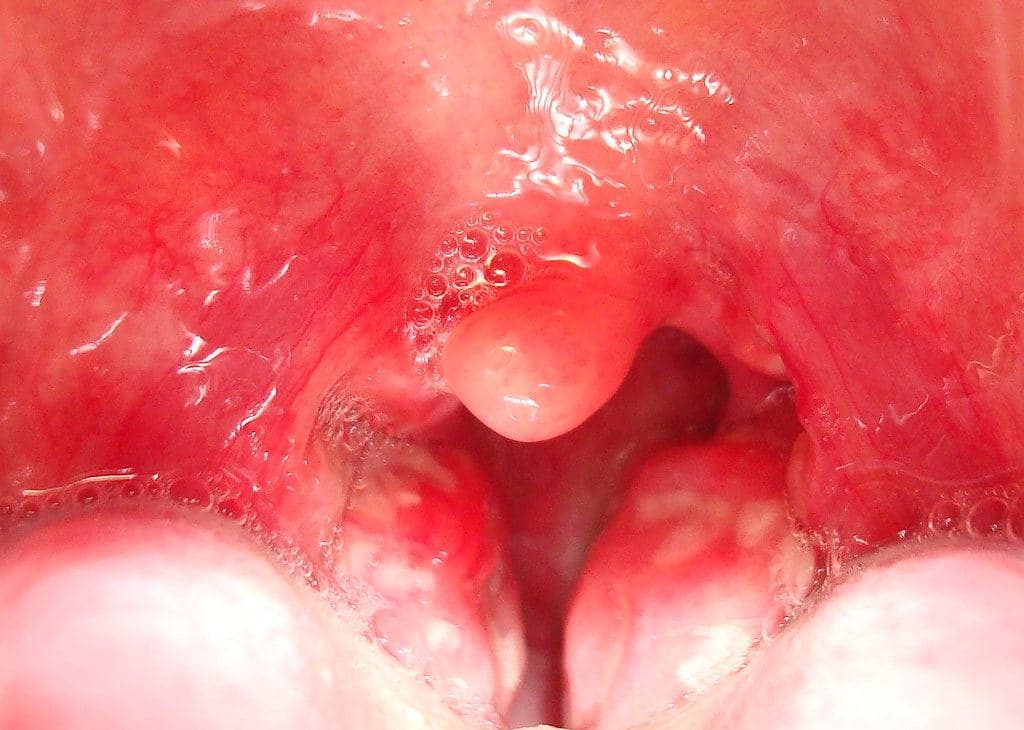
Symptoms usually start three to five days after exposure. The first signs are often a mild fever, sore throat, tiredness and loss of appetite. A day or two later, painful mouth ulcers appear on the tongue, gums and inside the cheeks. Young children may drool, refuse food or drinks or become grumpy because swallowing hurts.
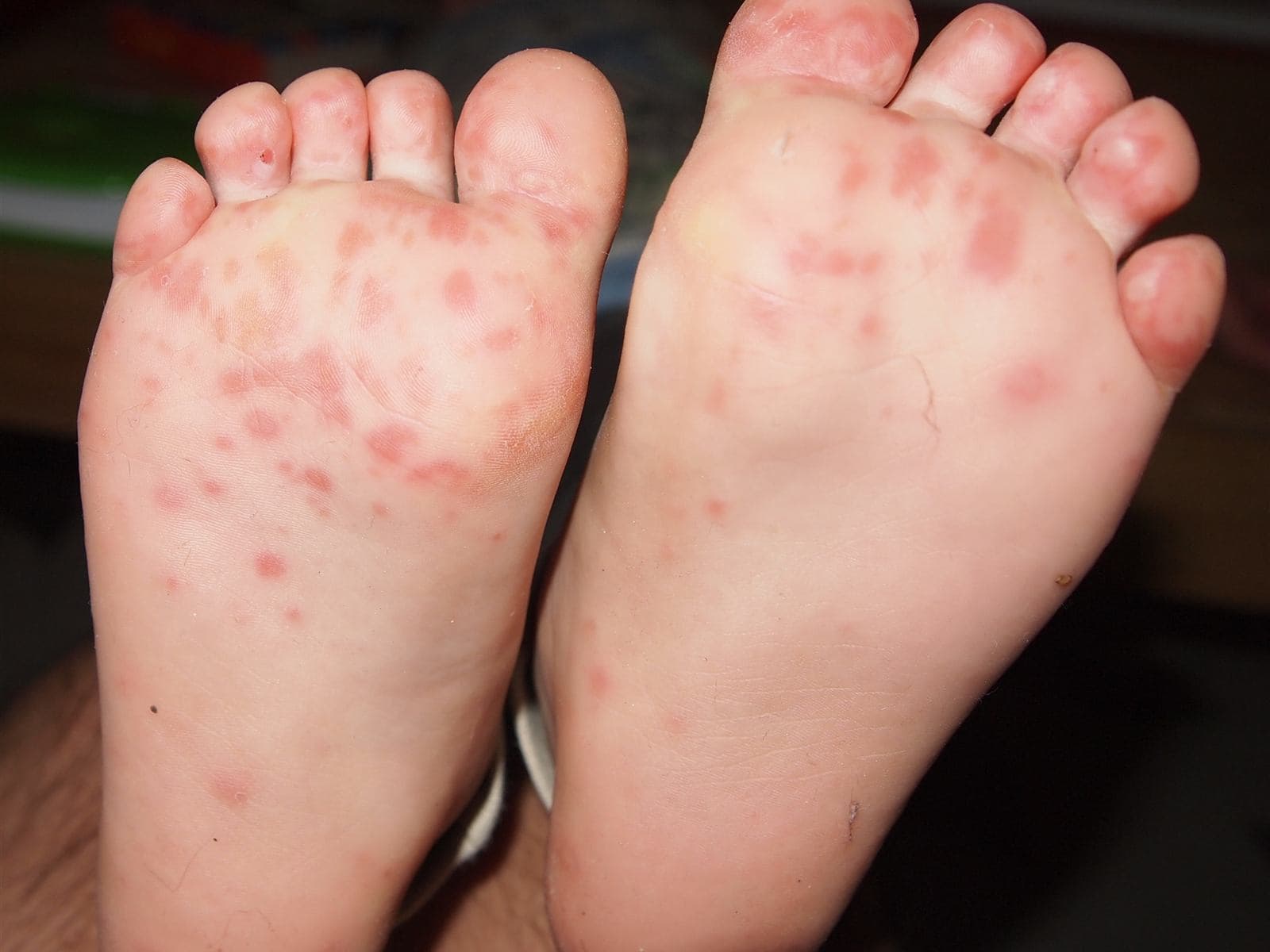
A rash then appears on the hands and feet, often on the palms and soles, sometimes also on the knees, elbows, bottom and genital area. It usually looks like small raised spots or blisters with a grey centre. On white skin they appear red or pink. On brown or black skin they may look grey, purple or similar to the surrounding skin, making them harder to see. The rash can be sore or itchy, though often it is neither.
Not every child has all the symptoms. Some have only mouth ulcers, others mainly have a rash.
How long it lasts
Most children feel better within seven to ten days. Fever usually settles in a couple of days, mouth ulcers ease over about a week and the blisters dry out without scarring. A few weeks later some children have peeling skin on their fingers and toes, or even lose a fingernail or toenail. This looks worrying but is harmless. The nail grows back normally.
Easing symptoms at home
There is no specific treatment, so care focuses on comfort and keeping a child hydrated. Offer small, frequent drinks. Cool water or milk is usually easier than acidic drinks such as orange juice, which can sting. Soft, cool foods such as yoghurt, soup that has cooled and mashed foods tend to be easier than crunchy or salty food. Ice lollies can help both comfort and hydration.
Paracetamol or ibuprofen can ease pain and fever, following the dose guidance for the child's age. A pharmacist can recommend mouth gels or sprays suitable for older children. Leave blisters alone rather than bursting them.
Watch fluid intake closely. Dehydration is the most common reason a child with hand, foot and mouth disease needs to be seen. Signs include fewer wet nappies, dark urine, a dry mouth, no tears, cold hands and feet and unusual drowsiness.
Nursery, school and work
In the UK, children do not need to be kept away from nursery or school simply because they have hand, foot and mouth disease, provided they feel well enough to attend. Many children are infectious before anyone knows they are ill, so exclusion does little to prevent spread. Keep a child at home while they have a fever or are too unwell to join in. Individual settings sometimes ask parents to keep children at home, so check their policy.
Adults with the illness can usually work if they feel well, while taking extra care with handwashing, particularly in food handling or healthcare roles.
Stopping it spreading
Wash hands with soap and water often, particularly after changing nappies, using the toilet and before preparing food. Encourage children to use tissues and bin them. Avoid sharing cups, towels and cutlery. Clean toys and surfaces that children touch often. Alcohol gel is less reliable against these viruses than washing with soap, a point we also make in our guide to norovirus.
Advertisement
Pregnancy
Hand, foot and mouth disease in pregnancy is usually mild or unnoticed. There is no clear evidence that it harms an unborn baby in most cases. Illness very close to the due date can occasionally be passed to a newborn. If you are pregnant and have been exposed or develop symptoms, especially near your due date, speak to your midwife or GP.
Could it be something else?
Several childhood illnesses cause spots and fever. Chickenpox tends to produce itchy spots all over the body, particularly the chest and back, rather than mainly on the hands, feet and mouth. Scarlet fever gives a fine sandpaper rash and sore throat. Any rash that does not fade when a glass is pressed against it, in a child who is unwell, needs emergency assessment because it may be a sign of meningitis or sepsis.
When to get help
Speak to a pharmacist, GP or NHS 111 if a child is not drinking, has signs of dehydration, has symptoms that have not improved after ten days, has a very high temperature or a temperature over 38C in a baby under three months, or if you are pregnant or have a weakened immune system. Call 999 or go to A&E if a child has a stiff neck, severe headache, fits, unusual drowsiness or is difficult to wake, difficulty breathing, weakness, or seems seriously unwell. These are rare, but some enteroviruses can occasionally affect the nervous system.
A quick recap
Hand, foot and mouth disease is a common mild viral illness in young children, unrelated to the animal disease. It causes fever, painful mouth ulcers and spots on the hands and feet, usually clearing in seven to ten days. Focus on fluids, soft cool foods and pain relief. Children can attend nursery or school if they feel well. Seek help for dehydration, a child who is not improving or rare neurological signs.
Frequently asked questions
Is hand, foot and mouth disease the same as foot and mouth disease?
No. Foot and mouth disease affects farm animals and is caused by a different virus. Hand, foot and mouth disease affects people and does not spread to or from animals.
Does my child need to stay off nursery?
Not usually. UK guidance says children can attend if they feel well, although they should stay home with a fever or if too unwell to join in.
Can adults catch hand, foot and mouth disease?
Yes, though adults often have mild symptoms or none. They can still pass it on.
How long is it contagious?
It is most contagious in the first week, but the virus can remain in stools for several weeks, so careful handwashing matters after recovery.
Can you get it more than once?
Yes, because several different viruses cause it.
Why are my child's nails falling off?
Nail shedding can happen a few weeks after the illness. It is harmless and the nail usually grows back normally.
Do antibiotics help?
No. It is a viral illness, so antibiotics do not help unless a separate bacterial infection develops.
Advertisement