Tonsillitis: Symptoms, Treatment and When You Need Antibiotics
Advertisement
Tonsillitis is an infection of the tonsils, the two pads of tissue at the back of the throat. It is common in children and teenagers and can affect adults too. It is also one of the illnesses most associated with requests for antibiotics, even though most cases are caused by viruses and get better without them. Knowing when antibiotics are genuinely likely to help makes it easier to get the right treatment quickly without taking medicines that will not work.
Symptoms
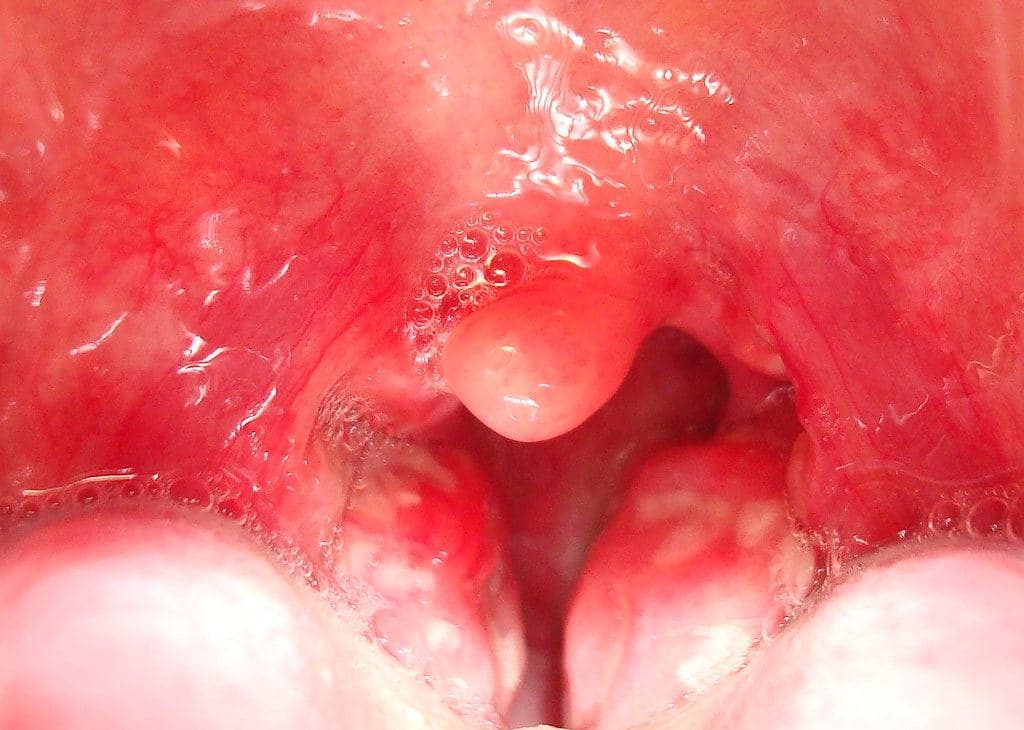
The main symptom is a sore throat, often severe enough to make swallowing painful. Other common symptoms include a high temperature, swollen and red tonsils, white or yellow spots or patches on the tonsils, swollen tender glands in the neck, bad breath, a hoarse voice, headache, earache and tiredness. Young children may not describe a sore throat and instead refuse food, drool, have tummy ache or vomit.
Viral or bacterial?
Most tonsillitis is viral, caused by the same viruses behind colds and flu or sometimes by glandular fever. Bacterial tonsillitis is most often caused by Group A streptococcus, known as strep throat.
There is no perfect way to tell from symptoms alone, but some features make bacterial infection more likely: fever in the past day, pus on the tonsils, seeing a clinician within three days of symptoms starting, severely inflamed tonsils and the absence of cough or a runny nose. Clinicians in the UK often use a score called FeverPAIN, which combines those five features, to decide whether antibiotics are likely to be useful. A cough, blocked nose and hoarse voice point more strongly towards a virus. Our guide to Strep A and scarlet fever covers bacterial throat infection in more detail.
Treatment at home
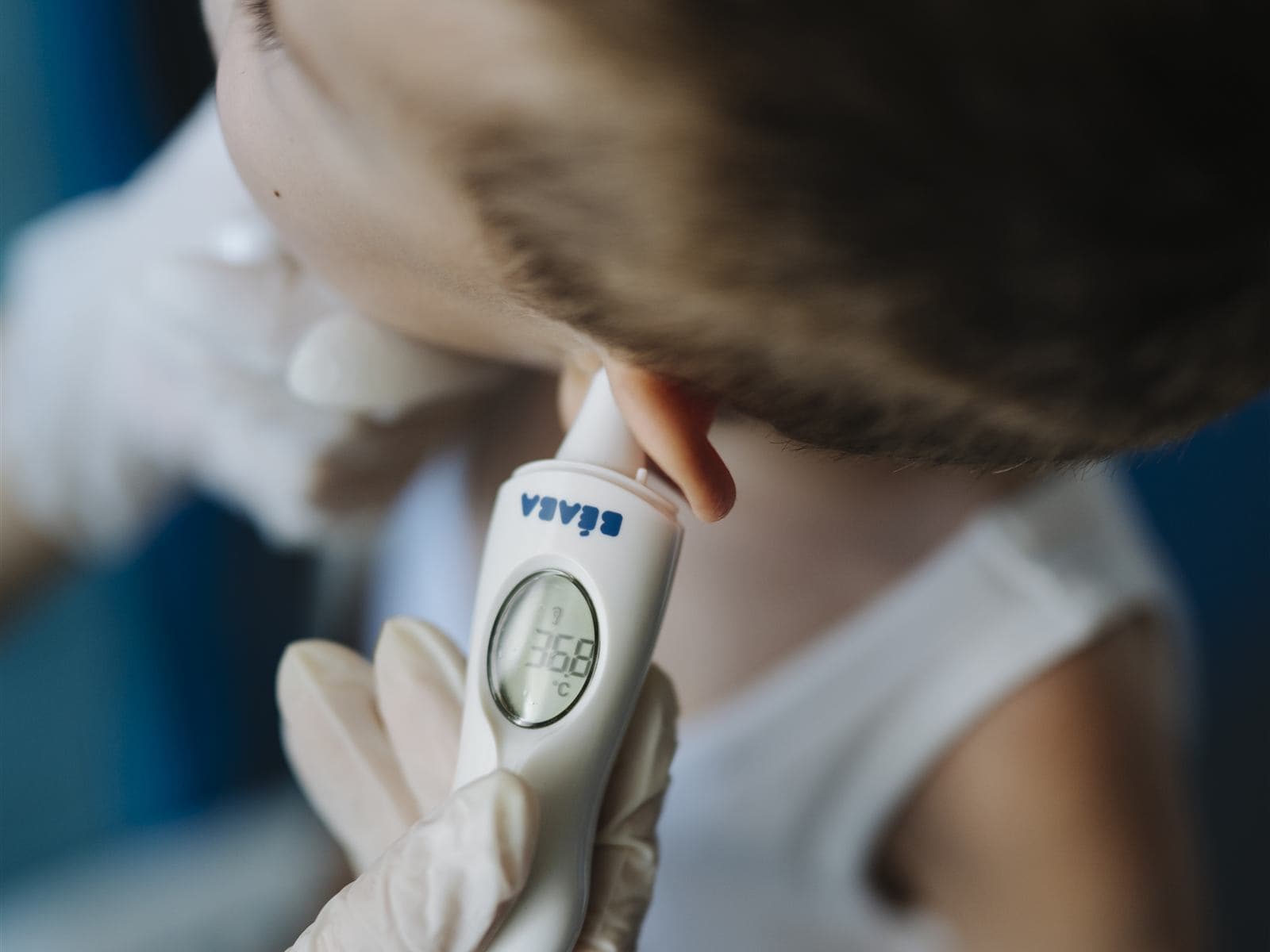
Most tonsillitis improves within three to seven days. Rest, drink plenty of fluids and eat soft cool foods. Paracetamol or ibuprofen can reduce pain and fever. Adults can gargle with warm salty water. Lozenges or throat sprays from a pharmacy may help older children and adults. Honey in warm water can soothe the throat for anyone over one year old.
Antibiotics do not help viral tonsillitis and can cause side effects such as diarrhoea, thrush and rashes. Unnecessary use also contributes to antibiotic resistance.
Pharmacy First for sore throats
In England, a pharmacist can assess sore throats in anyone aged five and over under the Pharmacy First scheme. They use the same clinical criteria as a GP and can supply antibiotics where appropriate, or offer advice and pain relief when antibiotics are unlikely to help. They will refer on if symptoms are severe or something else may be going on. Our guide to NHS 111, Pharmacy First and A&E explains how the scheme works. When penicillin is prescribed, finish the course as directed even if you feel better sooner.
Complications
Complications are uncommon. The most important is quinsy, or peritonsillar abscess, where a collection of pus forms beside a tonsil. It usually causes severe one-sided throat pain, difficulty opening the mouth, a muffled voice, drooling, fever and a tonsil or uvula that looks pushed to one side. Quinsy needs same-day hospital assessment and often drainage.
Rarely, streptococcal infection can lead to scarlet fever or, later, to inflammation of the kidneys or joints. Glandular fever can cause a longer illness with marked tiredness and swollen glands and is diagnosed with a blood test.
Tonsillitis, strep throat or glandular fever?
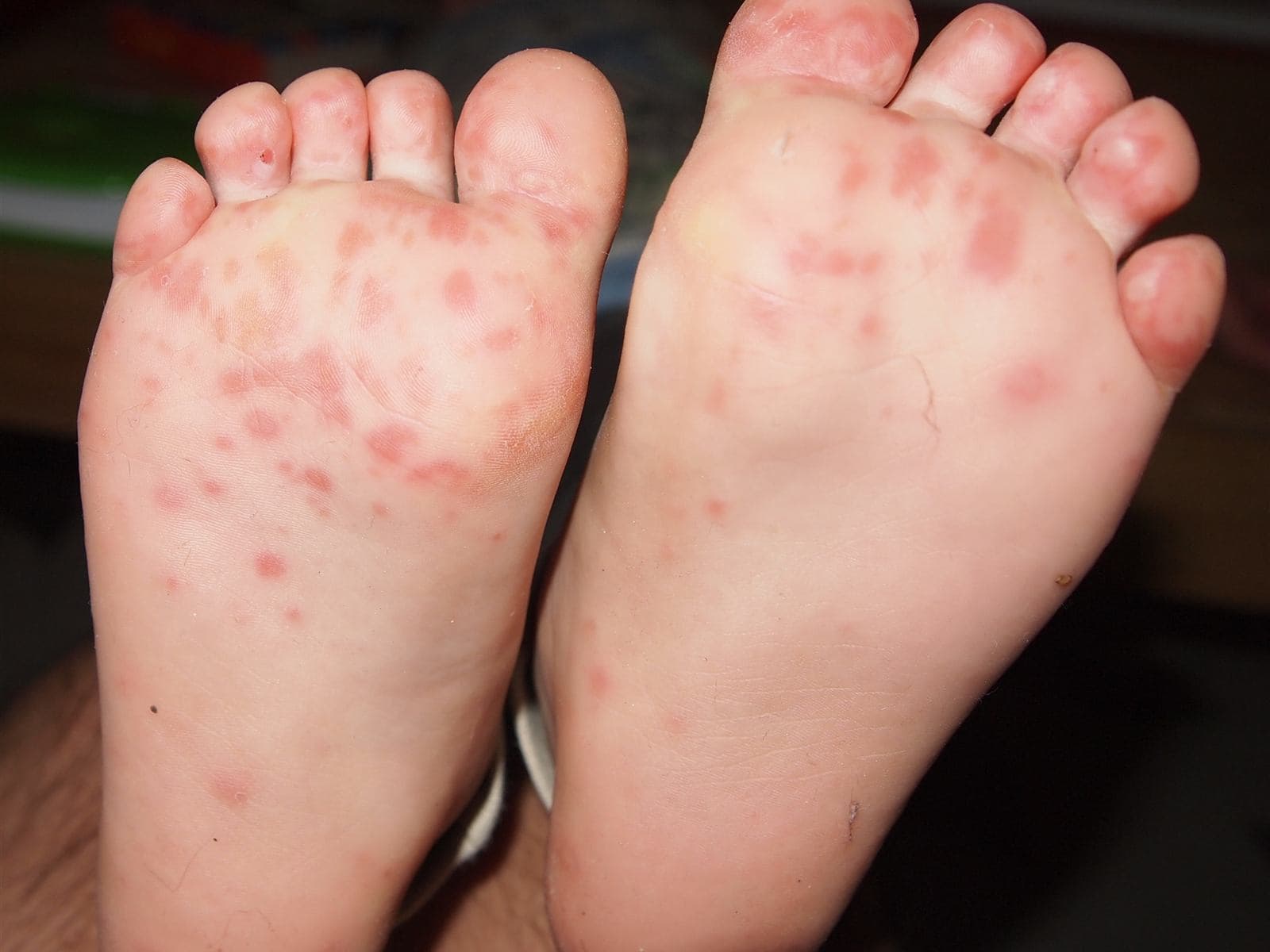
Tonsillitis simply describes inflamed tonsils. Strep throat is a bacterial throat infection that may involve the tonsils. Glandular fever, caused by the Epstein-Barr virus, is common in teenagers and young adults and tends to cause a very sore throat, swollen glands, fever and prolonged fatigue that can last weeks. Antibiotics do not treat glandular fever. Amoxicillin can cause a widespread rash in people who have it, which is one reason clinicians try to identify it.
When is tonsil removal considered?
Tonsillectomy is much less common than it once was. It is usually considered only for frequent, severe episodes that disrupt life, such as seven or more episodes in a year, five or more a year for two years or three or more a year for three years. Other reasons include recurrent quinsy or tonsils large enough to cause breathing problems during sleep. Because recurrent tonsillitis often becomes less frequent with age, clinicians may suggest a period of watchful waiting first.
Advertisement
Returning to school or work
People can generally return to school or work once they feel well enough and no longer have a fever. With bacterial tonsillitis treated with antibiotics, people are usually much less infectious after 24 hours of treatment. Wash hands often and avoid sharing drinks or utensils.
When to get help
See a pharmacist or GP if a sore throat is severe, has not improved after a week, keeps coming back or occurs with a high fever, particularly without cough or cold symptoms. Get urgent help the same day for severe pain on one side of the throat, difficulty opening the mouth, drooling, a muffled voice or dehydration. Call 999 or go to A&E for difficulty breathing, noisy breathing, inability to swallow saliva, a child who is floppy or very unwell or signs of sepsis.
A quick recap
Tonsillitis causes a sore throat, fever and swollen tonsils and is usually viral. Most cases improve within a week with fluids, rest and pain relief. Antibiotics are more likely to help with fever, pus on the tonsils, severely inflamed tonsils and no cough or cold symptoms. In England a pharmacist can assess sore throats in anyone over five. Seek urgent help for one-sided severe pain, difficulty swallowing saliva or breathing problems.
Frequently asked questions
How long does tonsillitis last?
Most cases improve within three to seven days. Glandular fever can cause symptoms that last several weeks.
Is tonsillitis contagious?
The viruses and bacteria that cause it can spread through coughs, sneezes and shared utensils, although not everyone exposed develops tonsillitis.
Do white spots on the tonsils mean I need antibiotics?
Not necessarily. White spots can occur with viral and bacterial infections. A pharmacist or GP will consider the overall pattern of symptoms.
Can adults get tonsillitis?
Yes, although it is more common in children and teenagers.
Can a pharmacist prescribe antibiotics for tonsillitis?
In England, pharmacists can assess sore throats in people aged five and over and supply antibiotics when criteria are met under Pharmacy First.
What is quinsy?
A collection of pus beside a tonsil that causes severe one-sided pain, difficulty opening the mouth and a muffled voice. It needs urgent hospital assessment.
Should I have my tonsils removed?
Tonsil removal is usually considered only for frequent severe episodes, recurrent quinsy or breathing problems. Discuss it with your GP or an ear, nose and throat specialist.
Advertisement