Ear Infections: Symptoms, How Long They Last and Whether You Need Antibiotics
Advertisement
Ear infections are one of the most common reasons parents take a young child to see a pharmacist or GP. They can make a child utterly miserable for a night or two. The good news is that most clear up on their own within a few days. The pain is usually the worst part. It is also the part you can do most about at home. Antibiotics help less often than many people assume.
Types of ear infection
A middle ear infection, called otitis media, affects the space behind the eardrum. It is very common in young children, often following a cold or sinus congestion, because the tube connecting the middle ear to the back of the nose is shorter and more easily blocked in children.
An outer ear infection, called otitis externa, affects the ear canal. It is more common in adults and is sometimes called swimmer's ear because water in the ear, scratching, cotton buds and skin conditions such as eczema can all trigger it. The two types need different treatment, so it is worth knowing which is likely.
Symptoms in children
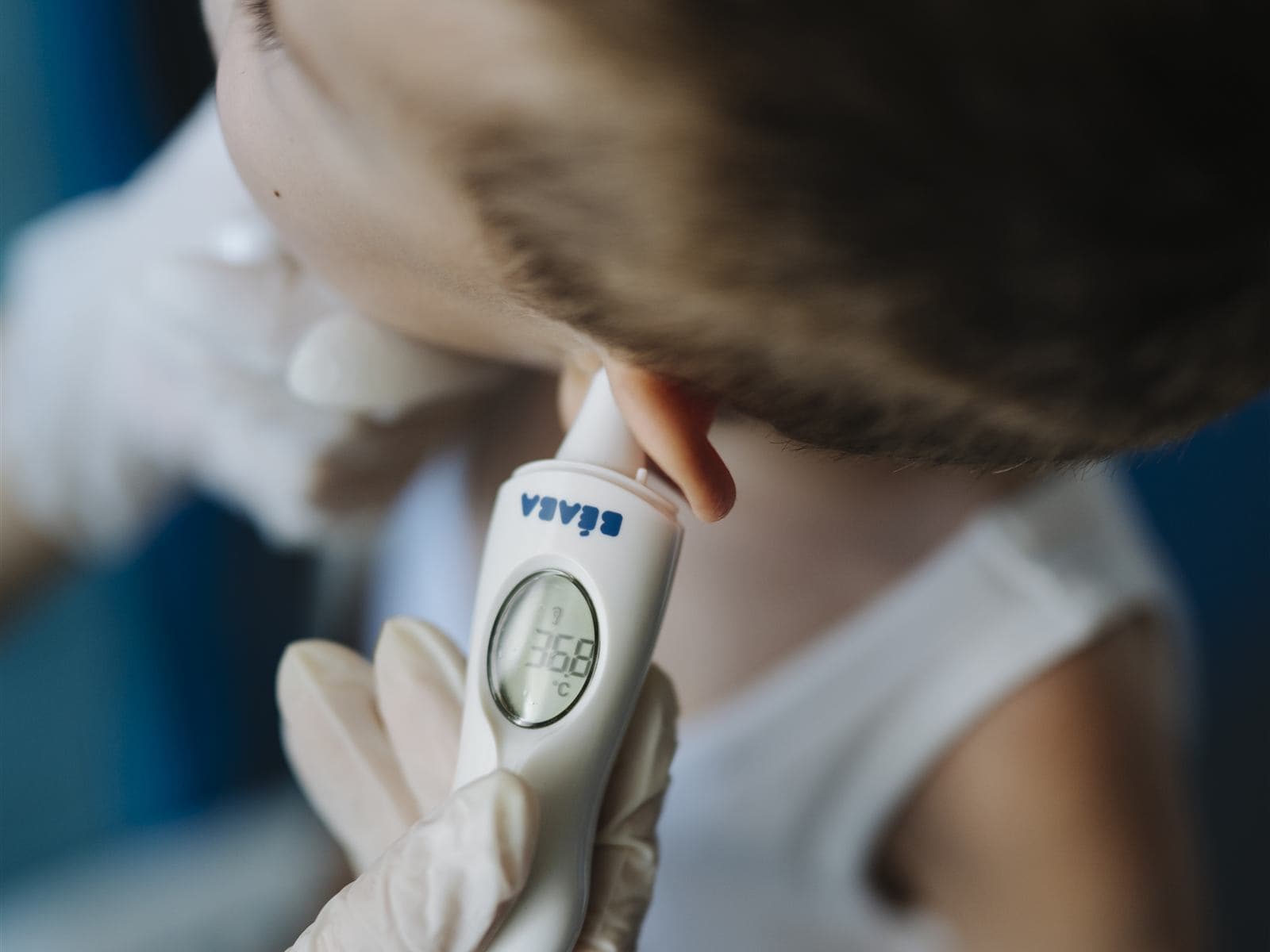
Older children may say their ear hurts. Babies and toddlers often cannot, so look for pulling, rubbing or tugging at an ear, crying more than usual, irritability, difficulty sleeping, a high temperature, not responding to quiet sounds, loss of balance and a reduced appetite. Some children also vomit or seem generally unwell. Many ear infections begin a few days into a cold.
Sometimes a small hole forms in the eardrum and pus or fluid runs out of the ear. This can look alarming, yet the pain often eases immediately as pressure is released. Most small perforations heal on their own within a few weeks.
Symptoms in adults
Adults with a middle ear infection usually have earache, a feeling of fullness, muffled hearing and sometimes fever. An outer ear infection tends to cause pain that worsens when the outer ear is pulled or pressed, itching, swelling or redness of the ear canal, discharge and muffled hearing.
How long it lasts
Most middle ear infections improve within three days and nearly all within a week. Hearing can remain muffled for a few weeks while fluid behind the eardrum drains away. If fluid lingers for months and hearing stays reduced, this may be glue ear, which is common in young children and often resolves without treatment but sometimes needs hearing checks and specialist review.
Easing pain at home
Paracetamol or ibuprofen, at the right dose for age, is the most useful treatment for earache. Placing a warm or cool flannel against the ear may also help. Offer fluids and let a child rest. Do not put cotton buds, oil or other objects in the ear. Do not try to remove wax or discharge by probing.
For children, give pain relief regularly during the first day or two if the ear is keeping them awake, following the packet or pharmacist advice. Our guide to fever in children covers dosing principles and the signs that need medical attention.
Do you need antibiotics?
Usually not. Many middle ear infections are viral. Even bacterial infections often clear without antibiotics. Studies show antibiotics make only a small difference to how quickly pain improves for most children, while causing side effects in some. They are more likely to be considered for children under two with infections in both ears, children with discharge from the ear, children who are very unwell, those not improving after a few days and people with certain other health conditions.
Outer ear infections are usually treated with ear drops rather than tablets, sometimes with a steroid or antibiotic. Keeping the ear dry during treatment helps it heal.
Pharmacy First for earache
In England, pharmacists can assess acute middle ear infections in children aged one to 17 under Pharmacy First. They can give pain relief advice, supply antibiotics when clinical criteria are met and refer to a GP or urgent care if needed. Adults with earache can still get advice from a pharmacist, but middle ear infection in adults is outside that particular Pharmacy First pathway. Our guide to choosing between 111, a pharmacy and A&E explains the scheme.
Advertisement
Preventing ear infections
Not all ear infections can be prevented, but some steps reduce the risk. Keep children away from cigarette smoke, keep routine vaccinations up to date, including pneumococcal and flu vaccines where offered, avoid giving babies a bottle while lying flat and wash hands often to reduce colds. Breastfeeding may offer some protection. For outer ear infections, dry ears gently after swimming, avoid cotton buds and use earplugs or a swimming cap if you are prone to infections.
When to get help
See a pharmacist or GP if earache has not improved after three days, a child has discharge from the ear, symptoms keep coming back, hearing remains reduced after an infection, or you have diabetes or a weakened immune system and develop an ear infection. Contact a GP or NHS 111 urgently for a baby under three months with a temperature of 38C or above, or a child with a very high temperature who seems unwell.
Call 999 or go to A&E if there is swelling, redness or tenderness behind the ear, the ear is pushed forward, there is a severe headache, confusion, stiff neck, weakness of the face, fits, or a child is floppy, drowsy or very unwell. These can be signs of rare but serious complications such as mastoiditis or meningitis.
A quick recap
Middle ear infections are common in children after colds and usually improve within three days to a week. Outer ear infections affect the ear canal and are more common in adults. Pain relief is the most useful treatment, while antibiotics are needed only in some cases. In England pharmacists can assess middle ear infections in children aged one to 17. Seek urgent help for swelling behind the ear, severe headache, confusion or a very unwell child.
Frequently asked questions
How can I tell if my baby has an ear infection?
Look for ear rubbing or pulling, fever, crying more than usual, poor sleep, irritability and reduced feeding, especially during or after a cold.
Are ear infections contagious?
The ear infection itself is not usually passed on, but the cold viruses that often lead to it are.
Can children fly or swim with an ear infection?
Flying may be painful, so seek advice if possible. Swimming is best avoided if there is discharge or a perforated eardrum until it has healed.
Will a perforated eardrum heal?
Most small perforations heal by themselves within a few weeks. See a GP if discharge continues or hearing does not return.
Can a pharmacist treat an ear infection?
In England, pharmacists can assess acute middle ear infections in children aged one to 17 under Pharmacy First.
Should I use olive oil in an infected ear?
No. Do not put oil or anything else into an ear with an infection or discharge unless a clinician advises it.
What is glue ear?
A build-up of sticky fluid behind the eardrum that can reduce hearing. It often clears without treatment but should be checked if hearing remains reduced.
Advertisement