NHS 111, Pharmacy First or A&E: Where to Go When You Are Ill
Advertisement
Knowing where to take a health problem in England has become genuinely confusing. There is your GP, NHS 111 by phone or online, a pharmacy, an urgent treatment centre, a walk-in centre, A&E and 999 and the boundaries between them are not obvious when you are unwell at nine in the evening. Choosing wrongly wastes your time and, at the emergency end, takes capacity from someone who needs it. This is a practical guide to what each service is for.
Start with a pharmacy more often than you think
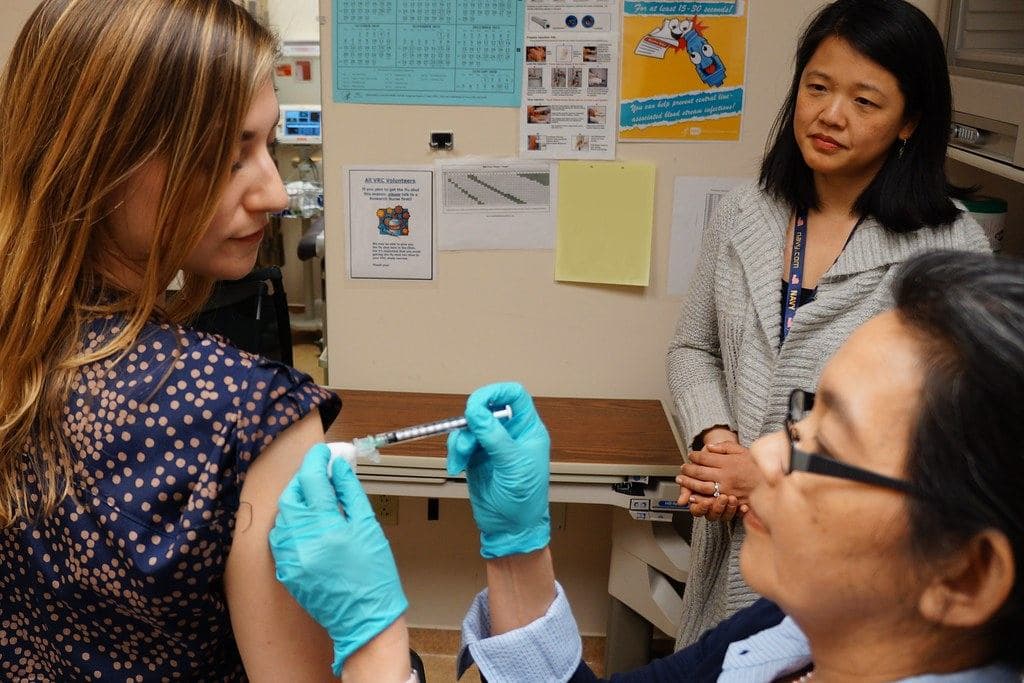
The most useful recent change is Pharmacy First, launched in England in early 2024. Community pharmacists can now assess and, where appropriate, supply prescription-only medicines including antibiotics for seven specific conditions, without you seeing a GP at all:
- Sinusitis, in anyone aged 12 and over
- Sore throat, 5 and over
- Earache, in children aged 1 to 17
- Infected insect bites, 1 and over
- Impetigo, 1 and over
- Shingles, 18 and over
- Uncomplicated urinary tract infections in women aged 16 to 64
You can walk in or phone ahead, there is no appointment needed at most pharmacies and there is no charge for the consultation, though normal prescription charges apply to any medicine supplied. The pharmacist works to the same clinical pathways a GP would and will refer you on if what you have falls outside them. Scotland, Wales and Northern Ireland run their own comparable but differently structured pharmacy schemes, so the list above is specific to England.
Beyond those seven, pharmacists remain the fastest route to advice on coughs, colds, hay fever, mild skin problems, diarrhoea and rehydration, pain relief, whether a symptom warrants a GP and how a new medicine interacts with what you already take. Many also offer blood pressure checks, contraception and vaccinations. For most short-lived illness, this is the right first stop.
Your GP
Use your GP practice for anything that is not urgent but is not going away: symptoms lasting more than a couple of weeks, a new lump, unexplained weight loss, persistent pain, a mole that has changed, mental health concerns, long-term condition reviews, medication changes and repeat prescriptions and anything that needs examination, tests or referral. Practices now triage by phone, online form or app as well as at the desk and describing your symptoms fully at that first contact is what determines how quickly you are seen, so it is worth being specific rather than brief.
Long-running problems after an infection belong here too, rather than at an urgent service. Our guide to persistent symptoms after a viral infection covers what to raise and how to prepare for that appointment.
NHS 111
NHS 111 is the service for when you need help urgently but it is not an emergency and when you are not sure what to do. It is free, available 24 hours a day and comes in two forms: a phone line and an online service. Use the online route for straightforward questions and the phone for anything involving a child under five, a rapidly changing situation or a problem that is hard to describe in a form.
111 does more than give advice. It can book you a slot at an urgent treatment centre, arrange an out-of-hours GP call, direct you to a pharmacy, arrange an emergency prescription and send an ambulance if the assessment warrants it. It is the correct call when your GP is closed and something cannot wait until morning, when you think you may need A&E but are not certain, or when you have a symptom you simply cannot interpret. The NHS 111 online service walks through the same assessment questions the phone line uses.
Urgent treatment centres and walk-in centres
Urgent treatment centres sit between a GP and A&E. They are GP-led, open at least twelve hours a day and can handle sprains and suspected simple fractures, minor cuts needing stitches, minor burns, minor head injuries without loss of consciousness, bites and stings, eye problems, feverish illness and suspected urinary or chest infections. Many have X-ray facilities. You can usually walk in, though booking through 111 typically means less waiting. This is the right destination for a lot of what people take to A&E unnecessarily.
A&E and 999
A&E is for serious and life-threatening problems. Call 999 or go straight to an emergency department for:
- Signs of a heart attack: chest pain or tightness, pain spreading to the arm, jaw or back, breathlessness, sweating or nausea
- Signs of a stroke: face drooping, arm weakness, slurred speech, sudden confusion or loss of vision
- Severe difficulty breathing, or breathlessness at rest
- Heavy bleeding that will not stop
- Loss of consciousness, a first fit, or someone who cannot be woken
- Severe allergic reaction with swelling of the face or throat
- Suspected sepsis: confusion, slurred speech, mottled or discoloured skin, not passing urine, severe breathlessness or a feeling that you are going to die
- Serious injury, a suspected broken neck or back, or severe burns
- A sudden severe headache described as the worst ever
- A baby or child who is floppy, unresponsive, has a rash that does not fade under pressure or is struggling to breathe
Two rules override everything above. If it looks like a heart attack, a stroke or sepsis, do not phone 111 first and do not wait to see whether it settles. If you are with someone who seems seriously and rapidly worse, trust that judgement. Our list of emergency warning signs in respiratory illness goes into the breathing-related ones in more detail.
Advertisement
Dental and eye problems
These are the two that catch people out. A&E cannot usually treat toothache and a GP cannot prescribe dental treatment. For urgent dental problems, contact your own dentist first, or call 111 to find an emergency dental service if you do not have one. For eye problems such as sudden vision loss, a painful red eye, flashes and floaters or something in the eye, an optician can assess many of them quickly and some areas have a dedicated urgent eye service. Sudden loss of vision is an emergency.
Mental health
NHS 111 has a mental health option and many areas run local 24-hour crisis lines and crisis cafés. Call 999 or go to A&E if someone's life is at immediate risk. For distress that is not an immediate emergency, Samaritans is free on 116 123 at any hour and Shout offers text support. A GP is the route for ongoing support and referral. Our piece on mental health after the pandemic years covers what support pathways exist.
A quick self-check
Before deciding, three questions usually settle it. Could this wait until my GP opens without getting worse? If yes, wait and book. Is this one of the things a pharmacist can treat, or a minor injury? If yes, go to a pharmacy or an urgent treatment centre. Am I worried this could be a heart attack, a stroke, sepsis or a struggle to breathe? If yes, call 999. Anything left over is what 111 exists for. Using it is never the wrong answer if you are unsure.
A quick recap
A pharmacist can now treat seven common conditions in England without a GP appointment, including sore throat, earache, shingles and uncomplicated UTIs in women aged 16 to 64. A GP handles anything persistent or needing tests. NHS 111 is free and 24 hours a day for urgent problems and for uncertainty and it can book you into an urgent treatment centre. Urgent treatment centres cover minor injuries and infections. A&E and 999 are for heart attack, stroke, sepsis, severe breathing difficulty, heavy bleeding and unresponsiveness.
Frequently asked questions
Can a pharmacist really give me antibiotics without seeing a GP?
In England, yes, for the seven Pharmacy First conditions where the assessment indicates they are needed. The pharmacist follows the same clinical pathways a GP would and refers you on if your case falls outside them.
Do I need an appointment for Pharmacy First?
Usually not, though phoning ahead can save waiting and confirms the pharmacy offers the service. The consultation is free, with normal prescription charges on any medicine.
Is NHS 111 free to call?
Yes, from landlines and mobiles and it is available 24 hours a day. There is also an online version, which is better suited to less urgent questions.
What is the difference between an urgent treatment centre and A&E?
Urgent treatment centres are GP-led and handle minor injuries and illnesses, often with X-ray on site. A&E handles serious and life-threatening emergencies and has hospital specialists and resuscitation facilities behind it.
Should I call 111 before going to A&E?
For anything uncertain, yes, since 111 can often direct you somewhere faster. For suspected heart attack, stroke, sepsis or severe breathing difficulty, call 999 immediately instead.
Where do I go with toothache?
Your dentist first, or NHS 111 to find an emergency dental service. A&E cannot usually treat dental problems and a GP cannot provide dental treatment.
Does this guidance apply across the whole UK?
The 111 and 999 numbers work UK-wide, though Pharmacy First as described is an English scheme. Scotland, Wales and Northern Ireland run their own pharmacy services with different rules, so check locally.
Advertisement