How Long Does a Cold Last and What Actually Works?
Advertisement
Adults get two to four colds a year and young children considerably more, which makes the common cold the illness we collectively experience most often and misunderstand most widely. The shelves of every pharmacy carry products promising to shorten it. Most do not. Some things genuinely help with how you feel, which is a different and more achievable goal and it is worth separating the two.
What a cold is and how long it lasts
Colds are caused by a couple of hundred different viruses, with rhinoviruses accounting for the largest share. That variety is why you cannot become immune to colds in general and why there is no vaccine: there is no single target to aim at. The winter illnesses that are vaccine-preventable are listed in our guide to every winter vaccine in the UK and who is eligible.
The usual course is predictable. Symptoms begin one to three days after exposure, often with a scratchy or tickly throat. Days two to four are typically the peak, with a blocked or running nose, sneezing, a sore throat and sometimes a mild headache or slight temperature. From day four or five things start improving, though the nose may feel more congested and the mucus thicker, which is a normal part of recovery rather than a sign of infection worsening. Most colds are largely gone within seven to ten days.
The cough is the exception. A post-viral cough can persist for two to three weeks after everything else has cleared, because the airway lining takes time to recover and stays temporarily sensitive. This is normal and it is the single most common reason people worry a cold has turned into something else. In children, a cold can drag on a bit longer and a fortnight of symptoms is not unusual.
One persistent myth deserves dismissing: green or yellow mucus does not mean you need antibiotics. The colour comes from immune cells doing their job and is a normal feature of an ordinary cold.
What the evidence actually supports
Taking the popular remedies in turn, the picture is more modest than the packaging suggests.
Vitamin C does not prevent colds in the general population. Taken regularly beforehand it appears to shorten colds very slightly, on the order of less than a day and starting it once you already have symptoms does not help. Regular high-intensity exercisers are the one group where a preventive effect has been found. It is cheap and harmless at sensible doses, so there is little reason to argue about it, but it is not a cure.
Zinc has the more interesting evidence. Zinc lozenges started within the first day of symptoms may shorten a cold by a day or so in some trials, though results are inconsistent, the effective form and dose are unclear and the lozenges commonly cause nausea and a lasting bad taste. It is a reasonable thing to try early, with realistic expectations.
Echinacea has been studied extensively with unconvincing and inconsistent results. Different preparations vary enormously in what they contain, which is part of why trials disagree. The evidence does not support recommending it.
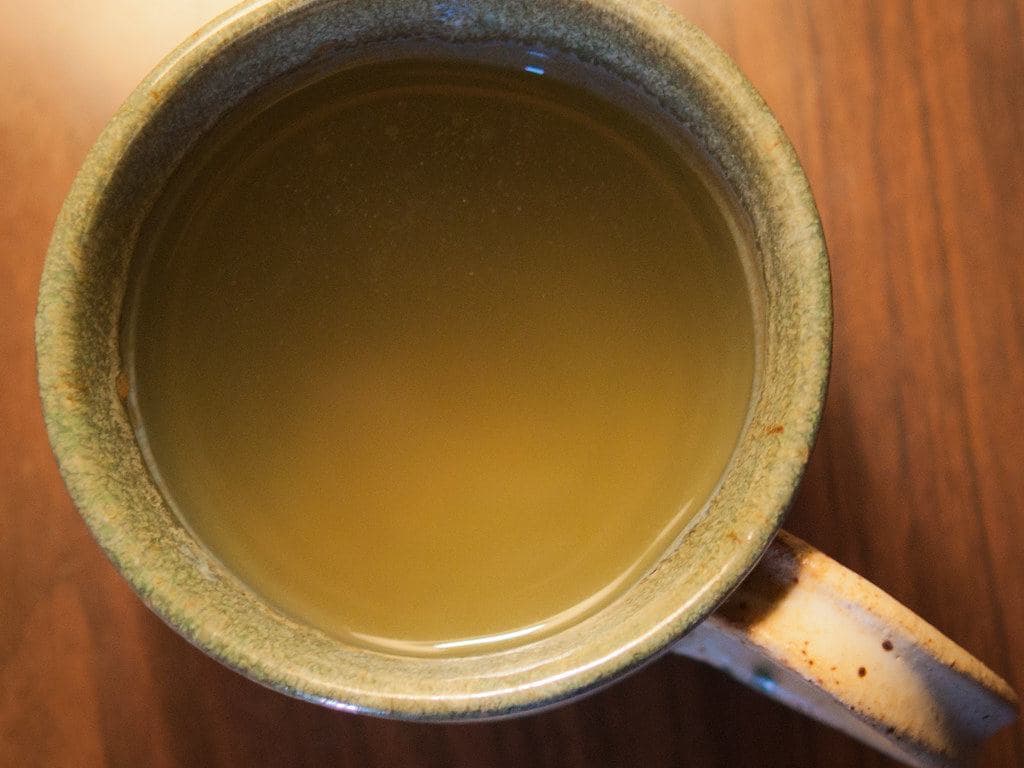
Honey is the quiet success story. For cough in children over one year old, honey performs as well as or better than over-the-counter cough medicines and it is recommended by NICE as a first option for acute cough. A spoonful, or honey in warm water, genuinely soothes. It must not be given to babies under one because of the risk of infant botulism.
Steam inhalation feels good and there is little solid evidence it shortens anything or reliably improves congestion. It also causes a steady stream of scald injuries every winter, especially with children, so there is no case for leaning on a bowl of boiling water. A warm shower is the safer version of the same comfort.
Saline nasal sprays and rinses are underrated, safe and reasonably supported for clearing congestion, including in children where medicated decongestants are not appropriate.
Decongestants do work in the short term for a blocked nose, as sprays or tablets. The catch with sprays is rebound congestion if used for more than about a week, which can leave you more blocked than when you started. They are not suitable for young children and need care in high blood pressure, glaucoma or an enlarged prostate. Ask a pharmacist rather than guessing.
Paracetamol and ibuprofen reliably help with sore throat, headache, aches and fever. They do not shorten the cold, though feeling less awful helps you rest, which matters.
Advertisement
Cough medicines have thin evidence for either suppressing or loosening a cough. They are not recommended for children under six. Fluids and honey do roughly as much.
Antibiotics do nothing for a cold, since colds are viral. They cause side effects and drive resistance. This is not caution for its own sake: it is the reason a GP or pharmacist will decline to prescribe them for a cold and that decision is correct.
What actually helps most
The unfashionable answers are the effective ones. Rest, because sleep is when the immune response does its work. Fluids, because staying hydrated thins mucus and helps a sore throat. Warmth and humidity for comfort. Gargling with warm salt water for a sore throat. Propping your head up slightly at night if congestion is keeping you awake. Not smoking, which slows airway recovery and prolongs the cough.
Avoiding one in the first place comes down to the same measures that work for other respiratory viruses: handwashing, not touching your face and keeping rooms ventilated, which we go into in ventilation and air quality indoors.
Cold, flu, COVID-19 or hay fever?
Colds build gradually and stay centred on the nose and throat, with the body feeling mostly normal. Vomiting and diarrhoea are not cold symptoms at all and point instead towards norovirus. Flu arrives suddenly with fever, severe aching and exhaustion, described in our guide to flu symptoms and how long flu lasts. COVID-19 now overlaps heavily with colds and is genuinely hard to distinguish without a test, which we cover in COVID-19 compared with the common cold. Hay fever gives itchy eyes and repeated sneezing without a fever and follows pollen rather than a one-off onset. In adults, the most useful single question is whether you have a real fever and whole-body aching, which points away from a cold.
When a cold is not just a cold
See a pharmacist or GP if symptoms last beyond about three weeks, if you improve then get suddenly worse, if you have a fever that persists more than a few days, if you have severe sinus or ear pain, if a sore throat is severe with high fever and no cold symptoms, which may be strep as described in our guide to Strep A and scarlet fever, or if you have a long-term lung condition such as asthma or COPD and your usual treatment is not holding. Seek urgent help for breathlessness at rest, chest pain, coughing up blood, confusion, or a baby who is feeding poorly or breathing fast.
A quick recap
A cold peaks around days two to four and is mostly gone within seven to ten days, with a cough that can linger two to three weeks. Coloured mucus is normal and not a reason for antibiotics. Honey helps cough in children over one, saline sprays help congestion, painkillers help symptoms and zinc started very early may shorten things slightly. Vitamin C, echinacea, steam and most cough medicines do little. Rest and fluids remain the core of it.
Frequently asked questions
How long is a cold contagious?
Usually from a day before symptoms until about five to seven days after they start, with the first two or three days the most infectious.
Does vitamin C stop you getting colds?
Not in the general population. Regular supplementation may shorten a cold marginally and starting it once symptoms have begun does not help.
Does green mucus mean I need antibiotics?
No. The colour comes from immune cells and is a normal part of a cold. Antibiotics have no effect on viral infections.
Can I give honey to my child for a cough?
Yes, from one year of age and it is recommended as a first option. Never give honey to a baby under one because of the risk of infant botulism.
Why is my cough still here weeks later?
Post-viral cough is common, since the airway lining stays sensitive while it recovers. Two to three weeks is normal and beyond three weeks is worth getting checked.
Do nasal decongestant sprays work?
Yes in the short term, but using them for more than about a week can cause rebound congestion. Saline sprays are a safer option for longer use.
Can you catch a cold from being cold?
Colds are caused by viruses rather than temperature. Cold weather increases spread mainly because people spend more time indoors together with less ventilation.
Advertisement