COVID-19 in Children: Symptoms and When to Seek Help

Advertisement
Children can catch COVID-19 just like adults, but their experience of the illness tends to differ in some important ways. Understanding how symptoms typically present in children and which warning signs matter most, can help parents and carers respond appropriately.
How COVID-19 typically affects children
Severe illness from COVID-19 has consistently been much rarer in children than in adults throughout the pandemic and since. Most children who catch the virus experience a mild illness, sometimes with very few symptoms at all and recover within a week or two without needing medical treatment. This doesn't mean children are never seriously affected, but the overall risk profile is meaningfully different to that of adults, particularly older adults.
Common symptoms in children
Symptoms of COVID-19 in children often overlap considerably with other common childhood illnesses and can include:
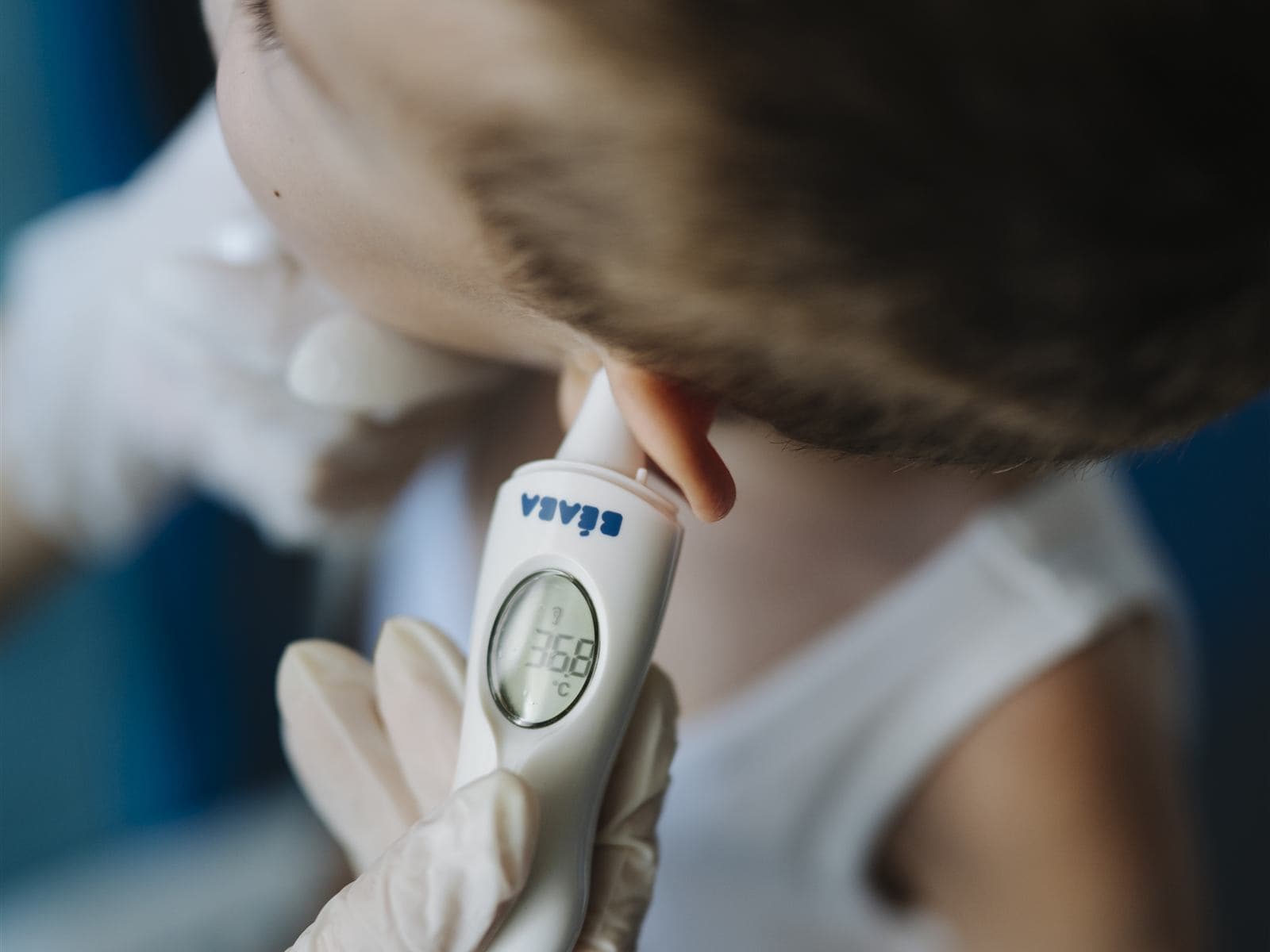
- A high temperature
- A cough
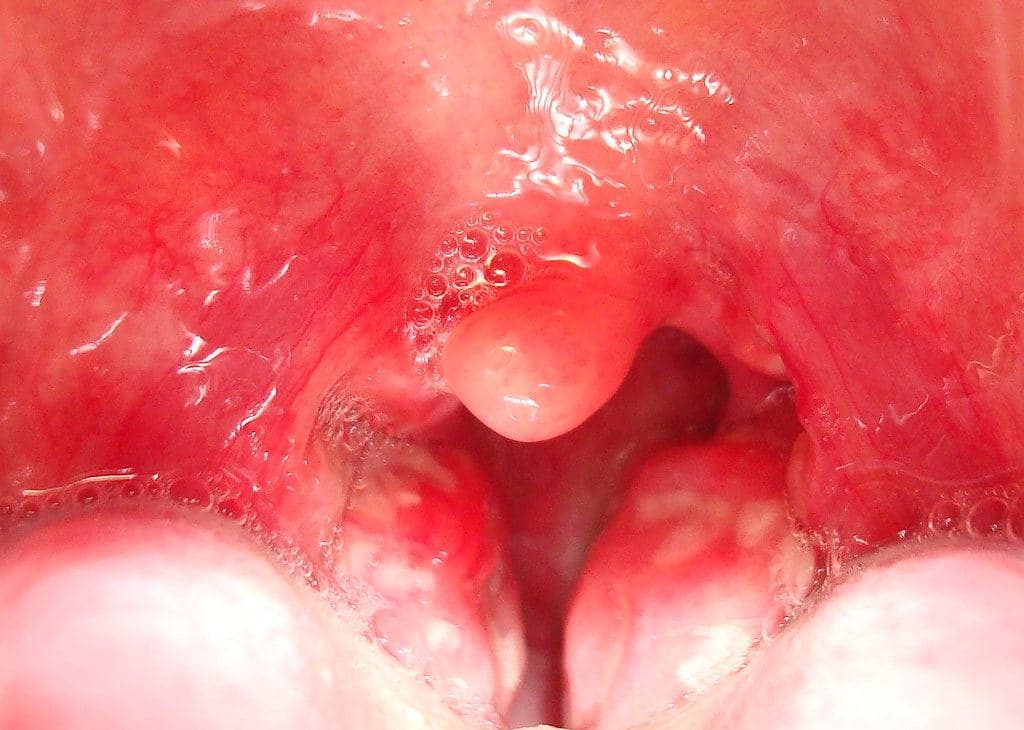
- A sore throat or runny nose
- Tiredness or being generally unsettled
- Loss of appetite
- Occasionally, an upset stomach
Loss of smell or taste, more commonly reported in adults, appears to be reported less frequently in children, particularly younger children who may also find it harder to recognise or describe this symptom.
Warning signs that need medical attention
While most children recover without complications, certain symptoms warrant prompt medical advice, including:
- Difficulty breathing or unusually fast breathing
- Persistent high fever that doesn't respond to normal fever-reducing medication
- Unusual drowsiness or difficulty waking
- Signs of dehydration, such as significantly reduced wet nappies or noticeably dry mouth
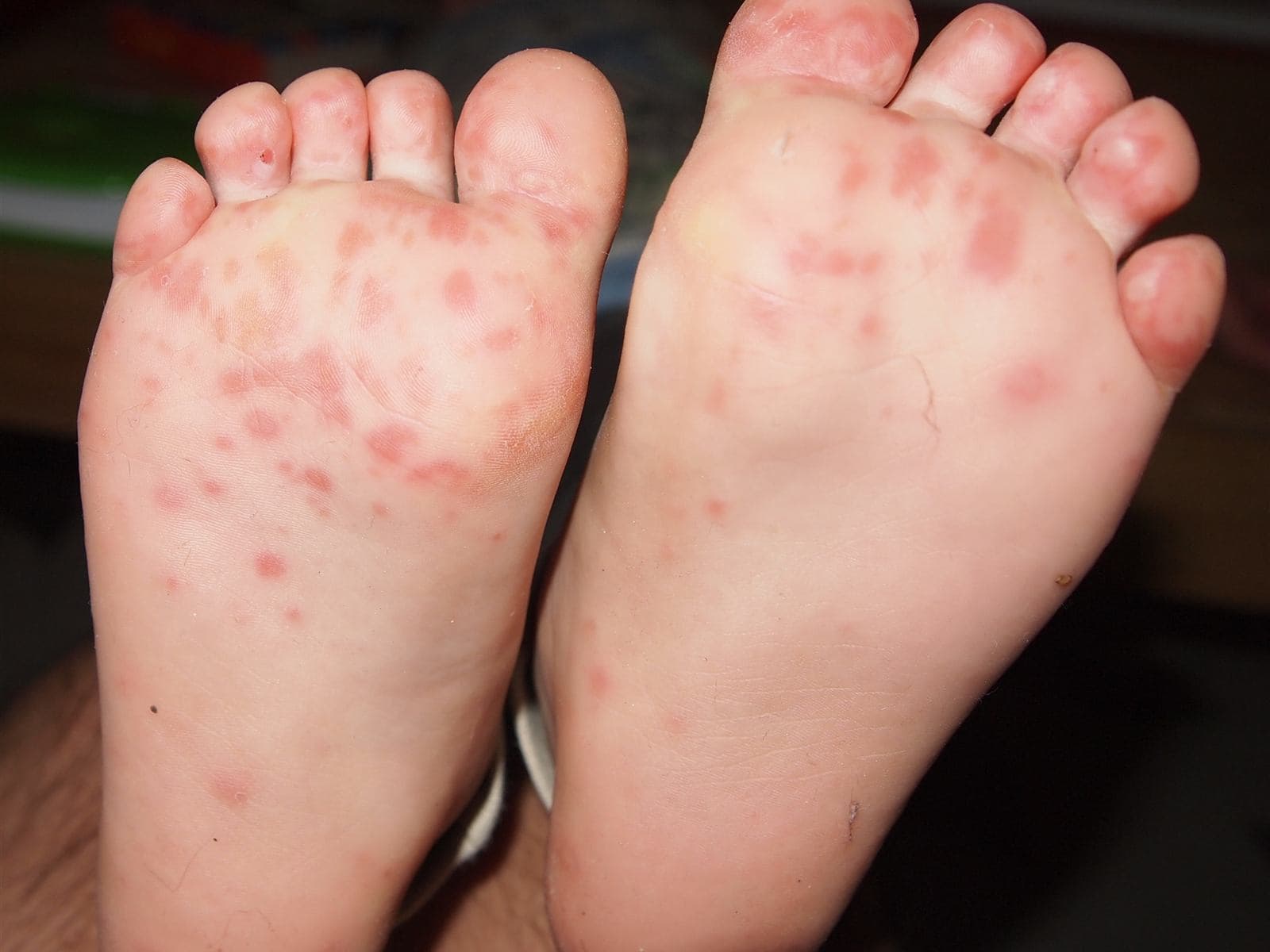
- A rash that doesn't fade when pressed with a glass (a general emergency warning sign, not specific to COVID-19)
If a child shows any of these signs, contacting NHS 111 or a GP promptly, or seeking emergency care for severe symptoms, is the appropriate response, regardless of whether COVID-19 has been confirmed.
Vaccination for children
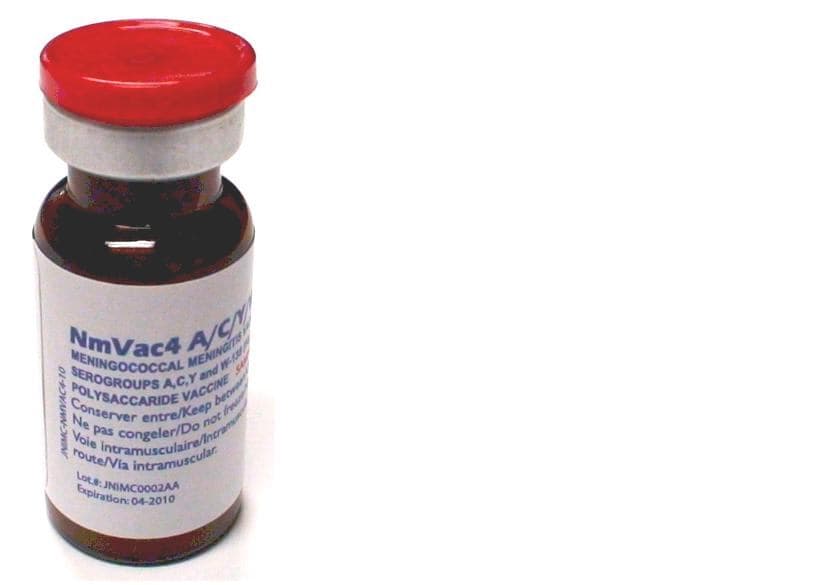
COVID-19 vaccination has been offered to children in the UK, generally at a lower dose than the adult vaccine and typically focused on children with underlying health conditions that put them at higher risk, rather than being offered universally to all children. This reflects the lower overall risk of severe illness in children, which shifts the balance of risk and benefit for routine vaccination compared with higher-risk adult groups. Current eligibility can be checked through the NHS website or a GP.
Managing COVID-19 at home
For most children with mild symptoms, home care is generally sufficient: plenty of fluids, rest and appropriate over-the-counter medication for fever or discomfort, following the dosing guidance for the child's age and weight. Keeping a child comfortable and away from anyone vulnerable while they're unwell, mirrors the general approach used for adults, adapted for a child's specific needs.
Not every childhood fever is COVID-19. A sore throat with fever but no cough may be Group A strep or scarlet fever. In babies under a year a wheeze with difficult feeding more often points to RSV and bronchiolitis.
A high temperature is usually the immune system doing its job. Our guide to fever in children and when to worry explains which temperatures matter at each age and the red flags that need emergency care.
Frequently asked questions
Should I keep my child off school if they have COVID-19?
General guidance recommends children stay home while they have a fever or feel generally unwell, similar to advice for any contagious illness, without a specific fixed legal isolation period.
Are children more likely to spread COVID-19 to others?
Children can spread COVID-19 to others, similar to adults, particularly within households and school settings where close contact is frequent.
Advertisement
Is Multisystem Inflammatory Syndrome in Children (MIS-C) still a concern?
MIS-C, a rare but serious inflammatory condition linked to COVID-19 infection in children, has been documented but remains uncommon. Any concerns about unusual or persistent symptoms following COVID-19 in a child should be raised promptly with a GP.
Can babies get COVID-19?
Yes, babies can catch COVID-19 and parents should be particularly alert to warning signs such as difficulty breathing, poor feeding or unusual drowsiness in very young infants, given their limited ability to communicate how they're feeling.
How can I tell if my child is dehydrated?
Signs of dehydration in children include fewer wet nappies than usual, a dry mouth, sunken eyes and unusual lethargy. If you're concerned about dehydration, contacting NHS 111 or a GP promptly is advisable.
COVID-19 compared with other common childhood illnesses
Parents often find it difficult to distinguish COVID-19 from other common childhood illnesses, including colds, flu and other seasonal viruses, since symptoms overlap considerably. In most cases, this distinction matters less for how you care for your child day to day, since general home care advice is broadly similar across these illnesses. Testing can help clarify the picture where it's relevant, for example if your child needs to avoid contact with a vulnerable relative during their recovery.
Supporting your child through recovery
Beyond physical symptoms, being unwell and missing school or usual activities can be difficult for children emotionally, particularly younger children who may struggle to understand why they feel unwell or why routines have changed. Maintaining some normal comforting routines where possible, such as regular mealtimes and familiar bedtime rituals, while allowing extra rest and reduced expectations during the illness itself, can help children feel more settled through the recovery period.
School and nursery guidance
Most schools and nurseries follow general public health advice rather than maintaining COVID-19-specific attendance rules, meaning the decision about whether a child with mild symptoms attends is generally left to parents, guided by how unwell the child seems and whether they have a fever. Children with a high temperature are generally advised to stay home and avoid contact with others until the fever settles, in line with general guidance for any feverish illness, not COVID-19 specifically.
Vaccination for children
COVID-19 vaccination for children has been offered more selectively than for adults, generally focused on children in specific clinical risk groups who face a higher chance of severe illness. If you're unsure whether your child qualifies under current guidance, your GP or paediatric care team can advise based on your child's individual health history and the latest JCVI recommendations.
Trusting your instincts as a parent
Parents often develop a good instinct for when their child seems more unwell than a routine cold or minor illness would suggest and that instinct is worth trusting. If something feels different or more concerning than usual, seeking medical advice is always reasonable, even if the symptoms on paper seem mild. NHS 111 and your GP surgery are there for exactly this kind of reassurance and assessment.
A quick recap
Children with COVID-19 usually experience mild, cold-like symptoms and recover well with rest and basic home care. Watch for warning signs such as breathing difficulty, persistent high fever or unusual drowsiness and don't hesitate to contact NHS 111 or your GP if something feels more concerning than a typical mild illness.
Helping siblings understand
When one child in a household is unwell, siblings can sometimes feel confused or anxious about why routines have changed or why they can't play together as usual. Simple, age-appropriate explanations, along with reassurance that the unwell sibling will get better, tend to help other children in the household feel more settled during this period.
Preparing for the next illness
Keeping a small stock of children's paracetamol or ibuprofen, a working thermometer and clear notes on your child's usual medication doses at home means you're better prepared the next time an illness strikes, whether it turns out to be COVID-19 or something else entirely. A little preparation ahead of time can make those first anxious hours of a child's illness considerably less stressful to manage.
Advertisement