Why COVID-19 Spreads More in Winter
Advertisement
COVID-19 has settled into a recognisably seasonal pattern, with cases reliably rising each winter alongside flu, RSV and other respiratory viruses. It's a pattern the UK Health Security Agency tracks closely each year and understanding why it happens can help explain why winter still deserves a bit more caution than other times of year.
The UKHSA's core explanation
According to UKHSA guidance, cold weather, shorter days and increased socialising mean that the potential for transmission of respiratory viruses like COVID-19 is particularly high during winter months. Respiratory viruses circulate throughout the year, but in winter they circulate at the same time and can reach high levels together, which is part of why winter can feel like a wave of illness moving through workplaces, schools and households all at once.
Why cold weather matters
Cold weather itself doesn't make the virus more dangerous, but it changes behaviour in ways that favour transmission. People spend more time indoors in enclosed spaces with less ventilation, conditions where respiratory viruses spread considerably more easily than outdoors in fresh air. Windows stay closed against the cold and rooms fill with more people for longer periods, both of which increase the chances of the virus passing between people.
The role of shorter days and increased socialising
Winter also brings a natural increase in indoor social gatherings, from festive celebrations to simply spending more evening time with friends and family indoors as darkness falls earlier. More social contact, particularly indoors, directly increases opportunities for transmission, independent of any change in the virus itself. This is a behavioural and environmental pattern rather than a biological one, though it produces a very real and measurable seasonal effect.
Multiple viruses circulating together
One of the more practically important aspects of winter respiratory illness is that COVID-19 doesn't circulate alone. Flu, RSV and norovirus all tend to increase at the same time, which is part of why distinguishing between them by symptoms alone can be difficult and why testing matters more during winter months if you need to know specifically which virus you're dealing with, particularly for antiviral treatment eligibility.
Does this mean COVID-19 disappears in summer?
No, COVID-19 continues to circulate year-round rather than vanishing outside winter and summer waves do still occur, sometimes linked to new variants or increased travel and social mixing during warmer months. What changes seasonally is the scale and speed of spread, not whether the virus is present at all.
Practical steps UKHSA recommends for winter
Simple, low-cost measures remain UKHSA's core winter advice: catching coughs and sneezes in a tissue, regular handwashing and opening a window when meeting others indoors can all help reduce the spread of respiratory infections. Staying home when you have flu or COVID-19 symptoms and wearing a mask if you do need to go out while unwell, are also specifically recommended during periods when several viruses are circulating heavily at once.
Why vaccination timing matters
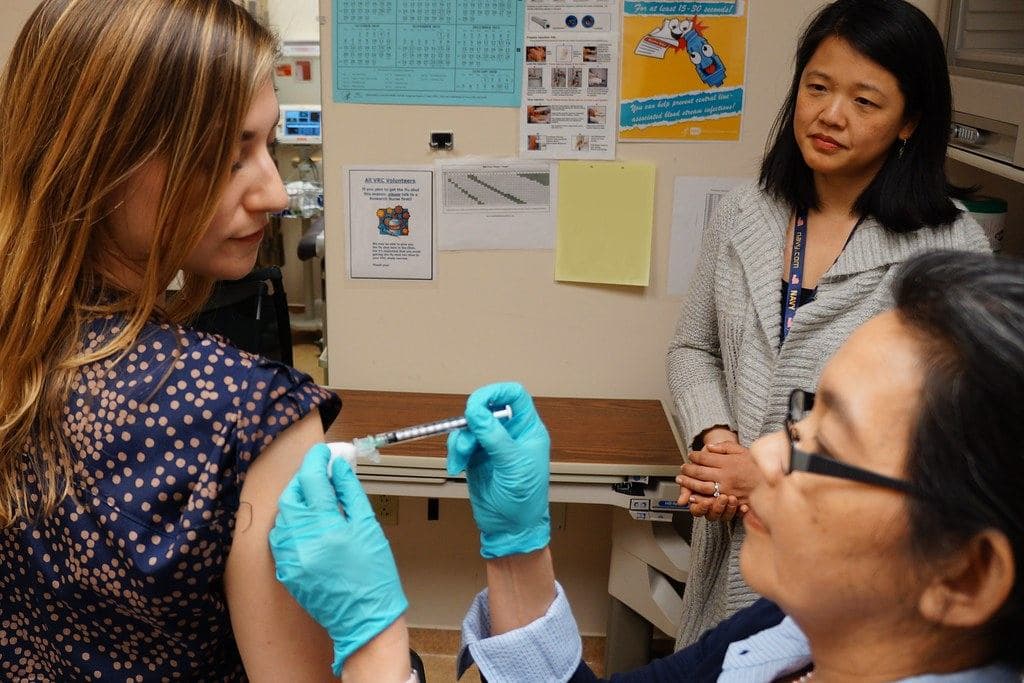
The UK's autumn COVID-19 vaccination programme is deliberately timed to build protection ahead of the winter surge in transmission, rather than being scheduled arbitrarily. Getting vaccinated when eligible, ideally before winter transmission picks up significantly, gives your immune system time to build a stronger response before the period of highest risk arrives.
How UKHSA tracks the winter picture
UKHSA runs weekly winter surveillance reporting, tracking flu, COVID-19 and RSV activity levels across the country throughout the colder months. This ongoing monitoring helps identify when transmission is rising and to what extent, giving both the public and healthcare services useful early warning of a particularly bad winter for respiratory illness compared with a milder one. It also allows comparisons between the different viruses circulating at any given time, since flu and COVID-19 don't always peak at exactly the same point within the winter season.
This surveillance data is generally published and freely available and following it can give a more accurate, current picture of what's actually circulating locally than relying on general seasonal assumptions alone, which can be useful if you're specifically trying to judge your own personal risk during a particular week or month.
Why this pattern isn't unique to COVID-19
Seasonal winter peaks in respiratory illness predate COVID-19 by a long way; flu has followed a similar seasonal pattern for as long as it's been studied. COVID-19 settling into a broadly similar seasonal rhythm, after a more unpredictable pattern during the earlier, more novel phase of the pandemic, is generally seen by researchers as a sign the virus has moved into a more established, endemic circulation pattern, similar to other long-standing respiratory viruses.
Advertisement
A quick recap
COVID-19 spreads more in winter primarily because cold weather and shorter days push more social contact indoors, where transmission is easier and because several respiratory viruses circulate simultaneously during the same months. Simple hygiene measures, ventilation when meeting people indoors and timely vaccination all help reduce the impact of this predictable seasonal pattern.
Frequently asked questions
Is winter COVID-19 more severe than at other times of year?
The virus itself isn't inherently more severe in winter, though higher overall case numbers mean more total severe cases occur during winter months simply due to increased transmission.
Does cold weather itself weaken the immune system?
This remains debated and the UKHSA's explanation focuses primarily on behavioural changes, more time indoors and closer social contact, rather than claiming cold temperatures directly weaken immunity.
Why do multiple respiratory viruses peak at the same time?
Since the same winter conditions, indoor crowding, reduced ventilation and increased close contact, favour transmission of all respiratory viruses similarly, several tend to surge together rather than at different times.
Should I avoid all indoor gatherings during winter?
No, UKHSA guidance focuses on practical precautions like ventilation and hygiene rather than avoiding indoor gatherings altogether and simply opening a window when meeting people indoors is a specifically recommended, low-effort step.
Does opening a window really make a meaningful difference?
Yes, improving ventilation is one of UKHSA's specifically recommended measures, since fresh air genuinely helps disperse airborne virus particles that would otherwise build up in an enclosed space.
Do face masks still make sense during winter peaks?
UKHSA guidance specifically recommends wearing a mask when going out while unwell with symptoms, particularly during periods when respiratory viruses are circulating at high levels, as one practical measure among several.
Why do some winters see worse COVID-19 activity than others?
Year-to-year variation reflects a mix of factors, including which variants are dominant, population immunity levels from recent infection or vaccination and even how closely weather patterns match typical seasonal behaviour that winter.
Does UKHSA surveillance data cover the whole of the UK?
UKHSA's official statutory remit covers England specifically only, with equivalent devolved public health bodies in Scotland, Wales and Northern Ireland each separately publishing their own broadly comparable winter surveillance data for their own respective nations and populations.
Is it worth checking surveillance data before making holiday or travel plans?
It can be a genuinely useful additional data point if you're specifically concerned about visiting an elderly or otherwise vulnerable relative during a period of unusually high local transmission, though it remains just one factor among several worth weighing rather than a strict rule to rigidly follow at all times.
Advertisement