N95 vs Surgical vs Cloth Masks: Which Actually Works Best?
Advertisement
If you're choosing what to wear during periods of higher respiratory virus transmission, it's worth knowing that not all masks offer anywhere near the same level of protection. The evidence on this has become considerably clearer since the early pandemic years, when guidance was still catching up with the research.
The basic hierarchy of protection
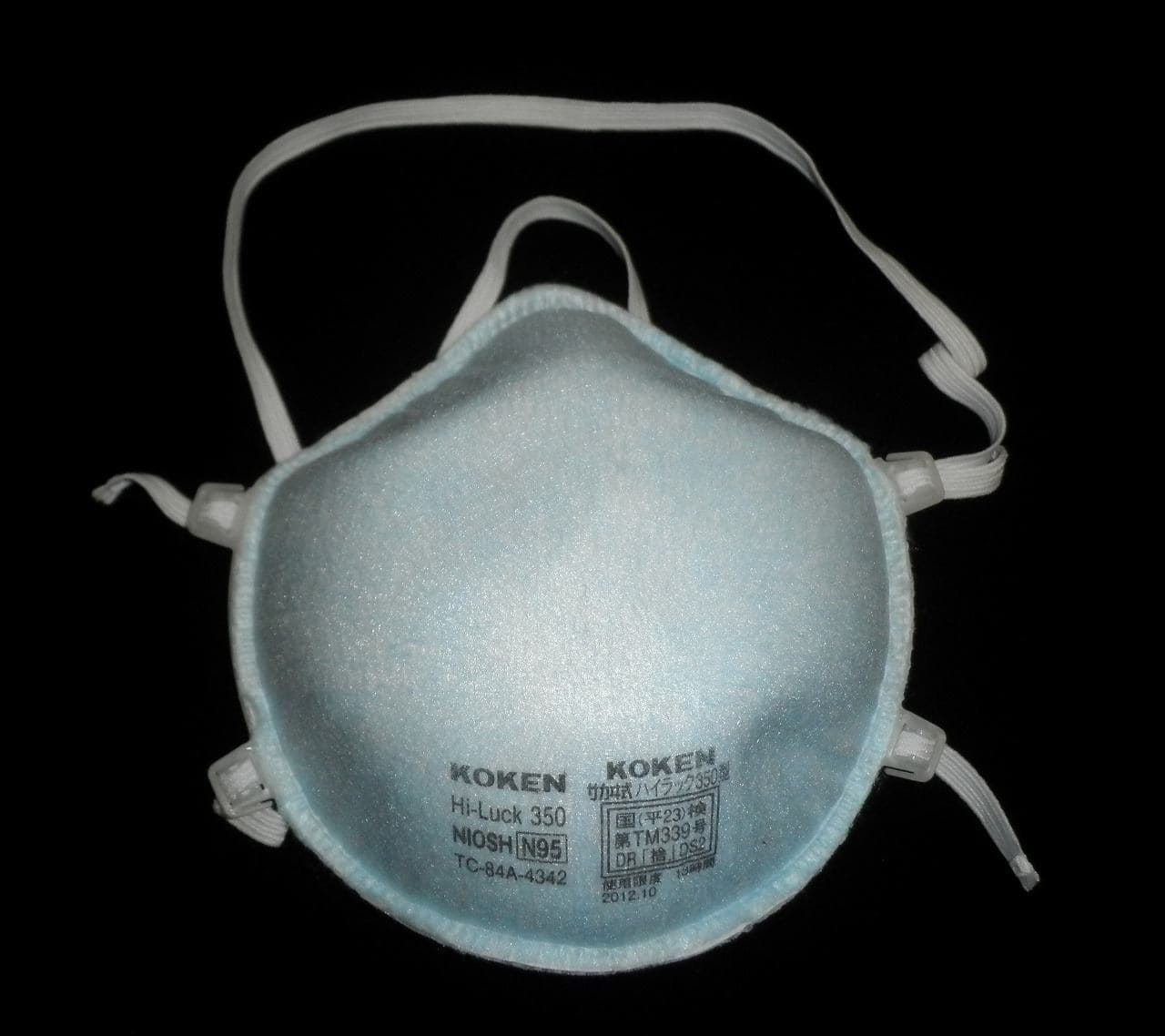
Broadly speaking, N95 and equivalent respirators (including KN95 masks) sit at the top of the effectiveness hierarchy, followed by surgical or medical masks, with cloth masks generally offering the least protection of the three main categories. This isn't a small or marginal difference either; the gap between an N95-style respirator and a cloth mask is considerably larger than many people assume based on how similar they might look.
What the research actually found
A landmark CDC study published in the Morbidity and Mortality Weekly Report examined mask and respirator use in indoor public settings and found that consistent use of an N95 or KN95 respirator was associated with substantially lower odds of testing positive for SARS-CoV-2 compared with wearing no mask at all. Surgical masks also showed a protective effect, though the magnitude was smaller than for N95-style respirators specifically.
Why N95 respirators perform so much better
The difference comes down to both filtration material and fit. N95 respirators are designed and certified to filter at least 95% of airborne particles, including the very small aerosol particles that can carry respiratory viruses and critically, they're designed to form a tight seal against the face, minimising the amount of unfiltered air that leaks in around the edges. Surgical masks filter reasonably well but are looser-fitting by design, allowing more air to bypass the filtering material around the sides, while cloth masks vary enormously in filtration quality depending on the fabric and number of layers used, with generally looser fit than either alternative.
Does cloth mask quality vary that much?
Yes, significantly. Research comparing different cloth mask constructions has found meaningful differences based on fabric type, thread count and number of layers, meaning "a cloth mask" isn't a single, consistent category of protection the way a certified N95 respirator is. A well-constructed, multi-layer cloth mask with a good fit performs considerably better than a thin, single-layer, loose-fitting one, which makes generalising about cloth mask effectiveness genuinely difficult compared with standardised, certified respirators.
Does fit matter as much as material?
Genuinely, yes and this is an underappreciated point. Even the best filtering material in the world doesn't help much if air is simply flowing around the mask through gaps at the sides, nose or chin. Research assessing mask fit across different types has found meaningful differences in how well various masks actually seal against real faces, which is part of why N95 respirators, specifically designed and tested for a tight seal, tend to outperform looser-fitting alternatives even when filtration material alone might seem comparable.
When does the difference matter most?
The gap between mask types matters most in higher-risk situations: crowded indoor spaces, poorly ventilated rooms, extended periods of close contact with others, or situations where you or someone nearby is at higher risk of severe illness if infected. For brief, low-risk interactions in well-ventilated spaces, the practical difference between mask types matters considerably less than in a crowded indoor setting during a period of high community transmission.
Are N95 masks safe and comfortable enough for daily use?
For most healthy adults, wearing a properly fitted N95 or KN95 mask for reasonable periods is considered safe, though some people do find them less comfortable than looser-fitting alternatives, particularly for extended wear. Getting a mask that fits your specific face shape well makes a meaningful difference to comfort and it's worth trying a couple of different models or sizes if your first choice feels uncomfortable, rather than abandoning respirator-style masks altogether.
What about children and mask type?
Properly fitted, appropriately sized masks matter particularly for children, since an adult-sized N95 respirator won't seal correctly on a smaller face and may offer little advantage over a well-fitting surgical or cloth mask as a result. Some manufacturers produce child-sized KN95 or similar respirators and checking for appropriate sizing matters more for younger children than simply choosing the "best" mask type in the abstract.
Advertisement
How to spot a genuine, properly certified respirator
Given how much the mask market expanded during the pandemic, counterfeit and substandard products became a genuine problem, with some masks sold as N95 or KN95 not actually meeting the filtration and fit standards the labelling implied. Checking for proper certification markings, buying from reputable retailers rather than unfamiliar online marketplaces and being wary of prices that seem unusually low for a certified respirator are all sensible precautions if you want genuine protection rather than a mask that merely looks the part.
Government and regulatory bodies in several countries have published guidance and even searchable lists of approved respirator models specifically to help consumers avoid counterfeit products and checking one of these official resources before a bulk purchase is a worthwhile extra step if you're buying respirators for a household or workplace rather than a single mask for occasional use, particularly since counterfeit products may look almost identical to genuine ones without offering anywhere near the same level of actual protection when it actually matters most, during a period of high community transmission or a specific high-risk exposure.
Storing masks properly between uses also matters more than people often assume, since a respirator left crushed in a bag or pocket can lose its shape and, with it, some of its ability to form a proper seal against your face. Keeping a few spares in a clean, dedicated container, whether at home, in your bag or at work, makes it easier to always have a properly shaped mask on hand rather than reaching for one that's been damaged by everyday wear and tear.
A quick recap
N95 and KN95 respirators offer meaningfully better protection against COVID-19 than surgical masks, which in turn generally outperform cloth masks, according to CDC research examining real-world use in indoor public settings. Fit matters as much as filtration material and the practical importance of choosing a higher-protection mask increases in crowded, poorly ventilated or higher-risk settings.
Frequently asked questions
Is it worth wearing an N95 mask for a quick trip to the shops?
For brief, low-risk interactions, the practical difference between mask types is smaller, though an N95 still offers somewhat better protection if you're specifically concerned about a higher-risk exposure.
Can you reuse an N95 mask multiple times?
Some research suggests N95 respirators remain reasonably effective after limited reuse, though manufacturer guidance and visible wear or damage should guide when to replace one.
Do cloth masks offer any meaningful protection at all?
Well-constructed, multi-layer cloth masks with a good fit do offer some protection, though generally less than surgical masks and considerably less than certified N95 respirators.
How do I know if an N95 or KN95 mask fits properly?
A properly fitted mask should seal snugly against your face with minimal gaps, particularly around the nose and chin and you shouldn't feel air leaking around the edges when you exhale.
Are KN95 masks as effective as N95 masks?
KN95 masks are designed to a broadly similar filtration standard, though quality can vary more between manufacturers than with certified N95 respirators, so checking for proper certification markings is worthwhile.
Advertisement