COVID-19 Travel Rules in 2026: What You Need to Know

Advertisement
Travel has largely returned to how it worked before the pandemic, with most borders no longer asking travellers for anything COVID-19-related. That said, rules can still vary meaningfully by destination and can change quickly if a country responds to a local outbreak or a new variant, so it's worth checking before you book rather than assuming nothing applies to you.
The general picture in 2026
The vast majority of countries have dropped routine COVID-19 entry requirements entirely, meaning most travellers can cross borders without showing proof of vaccination or a negative test. This is a significant shift from the early pandemic years, when testing and quarantine requirements were common across much of the world.
Which countries still have requirements?
A small number of destinations continue to ask for something COVID-19-related, though the specifics vary. Some countries, including Indonesia and the Philippines, have at times required proof of vaccination for entry, while others such as China have asked for pre-arrival test reports at various points. These requirements can also change based on where you're travelling from, so a rule that applies to travellers from one region may not apply to travellers from another.
Why you should always check before booking
Because individual countries can reintroduce health measures at short notice during local outbreaks or new variant waves, relying on general summaries like this one isn't enough for planning an actual trip. The safest approach is to check your specific destination's official immigration or health authority website close to your travel date, since requirements can shift between when you book and when you fly.
What the World Health Organization advises
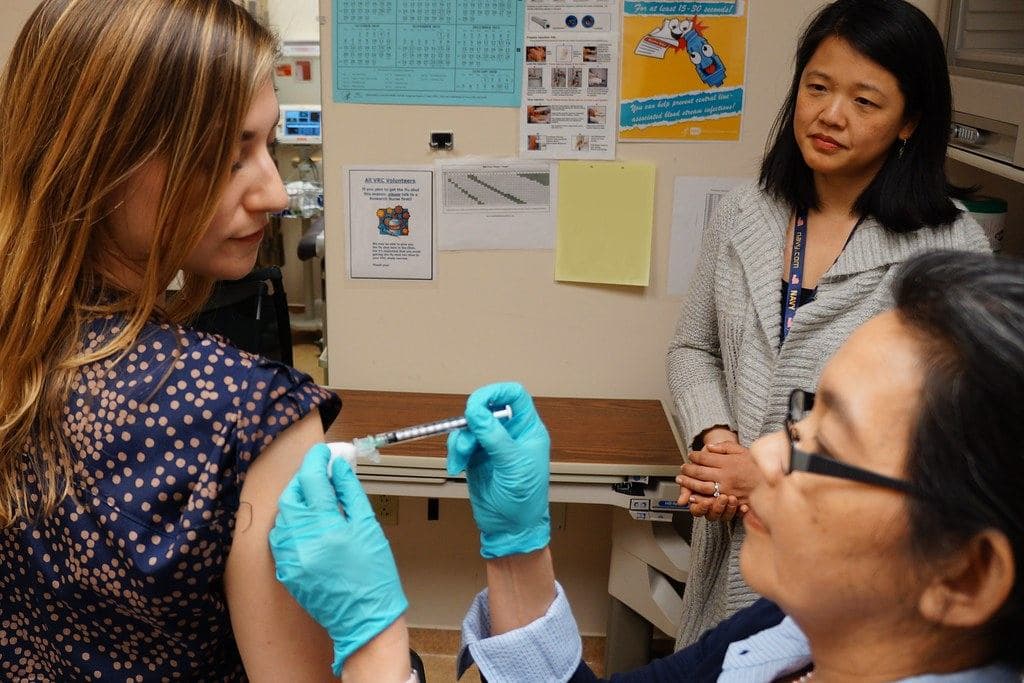
The World Health Organization has been clear that while the emergency phase of COVID-19 is over, the virus continues to circulate in every country and it recommends that travellers stay up to date with vaccination according to their own country's guidance, since vaccines remain strongly protective against severe illness. Beyond vaccination, the WHO's general travel advice includes practical, low-effort steps: wearing a well-fitting mask in crowded settings if you choose to, keeping some distance from others where practical, practising good respiratory etiquette and washing or sanitising your hands regularly.
Extra caution for higher-risk travellers
People with certain underlying health conditions face a higher risk of severe illness if they catch COVID-19 while travelling, including those with diabetes, heart or lung disease, cancer, a weakened immune system, a history of stroke, asthma, or anyone aged 60 or older. If you fall into one of these groups, it's worth thinking a little further ahead than the average traveller, whether that's packing rapid tests, checking what healthcare access looks like at your destination, or simply being more cautious about crowded indoor spaces during your trip.
Testing and screening on arrival
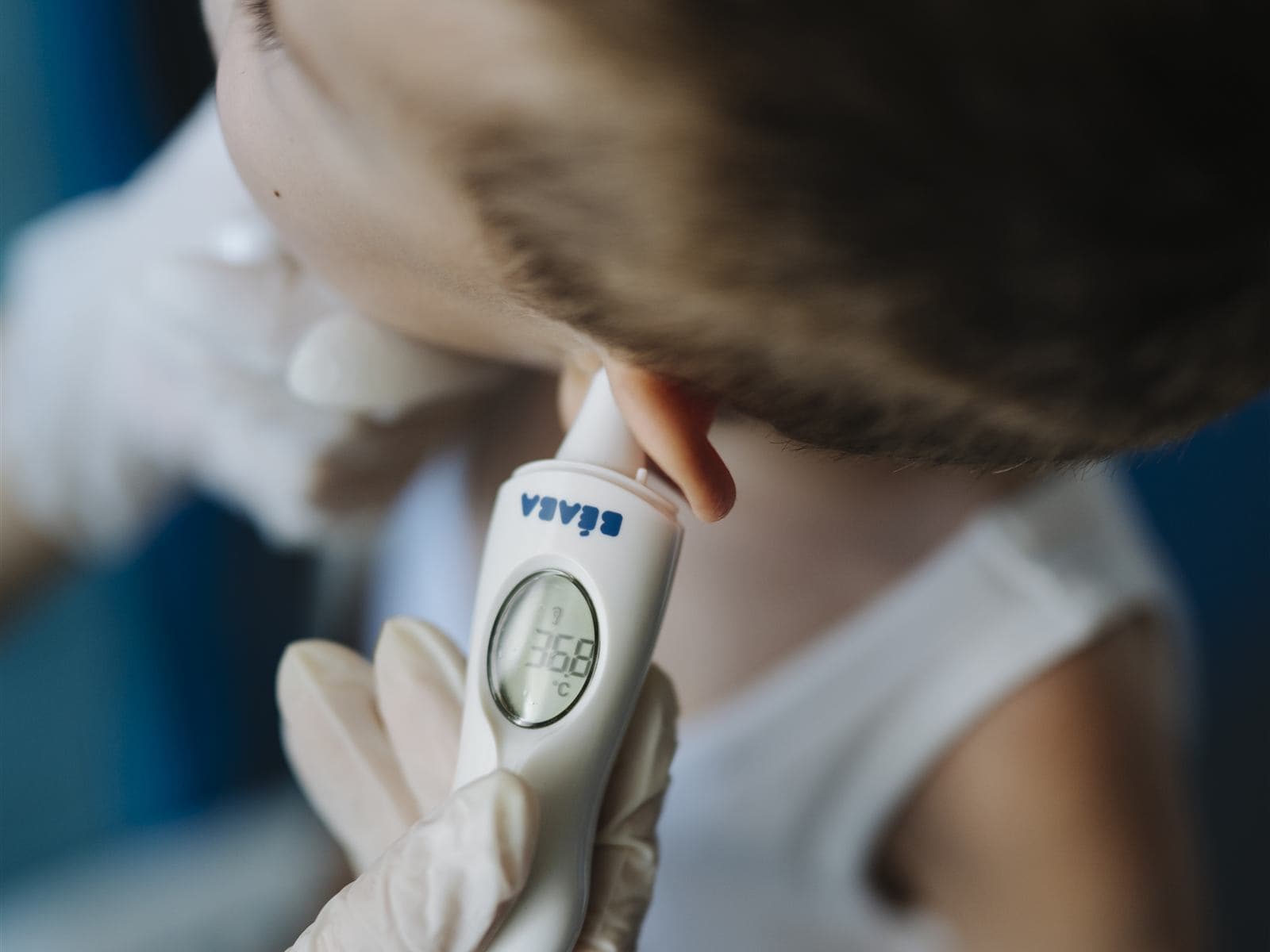
Where testing or screening requirements still exist, they vary considerably by destination. Some countries retain pre-departure or on-arrival testing for at least some travellers, while entry or exit screening involving temperature checks or symptom questionnaires still exists in a handful of places, even though most countries have eliminated these measures entirely. None of this is standardised globally, which is precisely why a quick check of your specific destination remains the most reliable approach.
What about cruise lines?
Cruise travel is worth a specific mention, since some cruise operators maintain their own vaccination or health policies independent of what any particular destination country requires. These can apply even when every port on your itinerary has dropped all COVID-19 entry rules, so if you're planning a cruise, checking directly with the cruise line itself, not just your destination countries, is a sensible extra step.
If you become unwell while travelling
Should you develop COVID-19 symptoms during a trip, seeking medical attention for anything serious and following local health authority guidance on isolation or quarantine remains the sensible approach, even in places with no formal legal requirement to do so. Travel insurance policies vary considerably in how they treat COVID-19-related delays, cancellations or medical costs, so checking your policy's specific terms before you travel, rather than after something goes wrong, is worth the ten minutes it takes.
Practical steps before you book
Given how much has changed since the height of the pandemic, a short pre-trip checklist covers most of what matters: check your destination's current official entry requirements, confirm whether your cruise line or tour operator has its own separate policy, review your travel insurance for COVID-19-related cover and make sure your general vaccinations are up to date according to your own country's guidance. None of this takes long, but it avoids the kind of last-minute surprise that can derail a trip.
Advertisement
How this compares with the early pandemic years
It's worth pausing to appreciate just how much has changed since 2020 and 2021, when international travel involved extensive paperwork, mandatory quarantine periods in many destinations and, in some cases, outright border closures to non-residents. The shift to today's largely unrestricted travel environment happened gradually rather than all at once, as individual countries reassessed their own risk tolerance and vaccination coverage over time, which is part of why requirements never dropped in a single, coordinated global moment.
This history is also a useful reminder that the current relaxed environment isn't necessarily permanent. Travel requirements tightened rapidly in early 2020 and could, in principle, do so again if a significantly more severe variant emerged, which is one more reason to treat destination-specific checks as routine trip preparation rather than a one-off task you complete and then forget about.
A quick recap
Most countries have dropped COVID-19 entry requirements entirely as of 2026, though a small number still ask for proof of vaccination or a negative test depending on where you're travelling from. Because rules can change quickly, checking your specific destination's official guidance shortly before you travel remains the most reliable way to avoid surprises, particularly for higher-risk travellers or anyone booking a cruise.
A note on regional variation within countries
It's also worth remembering that requirements aren't always uniform even within a single large country, particularly federal systems where individual states, provinces or territories can sometimes set their own additional local health measures beyond national-level rules. This is less common than it was earlier in the pandemic, but it means that checking guidance specific to your actual arrival point, not just the country as a whole, occasionally matters for destinations with this kind of layered governance structure.
Frequently asked questions
Do I need a COVID-19 vaccine to travel internationally in 2026?
Most destinations no longer require it, though a small number of countries still ask for proof of vaccination, so checking your specific destination's current requirements before booking is essential.
Can travel restrictions change after I've already booked a trip?
Yes, individual countries can reintroduce health measures at short notice, particularly during local outbreaks or new variant waves, which is why checking again closer to your travel date is worthwhile.
Do cruise ships have different COVID-19 rules to the destinations they visit?
Often yes, since some cruise operators maintain their own vaccination or health policies that apply regardless of what any individual port country currently requires.
Should I still wear a mask when travelling?
This is a personal choice for most travellers now, though the WHO continues to recommend well-fitting masks in crowded settings as one of several sensible, low-effort precautions.
Where can I check the current entry requirements for a specific country?
Your destination country's official immigration or health authority website is the most reliable source, since it reflects current rules rather than requirements that may have already changed.
Advertisement