COVID-19 Symptoms: The Full List and When to Get Tested
Advertisement
COVID-19 symptoms have shifted somewhat since the virus first emerged in 2019, partly as the virus itself has evolved and partly as population immunity has built up through vaccination and prior infection. Knowing the current range of symptoms, common and less common, makes it easier to recognise a possible infection and decide whether testing is worth doing.
The most common symptoms
The symptoms most frequently reported with COVID-19 today include:
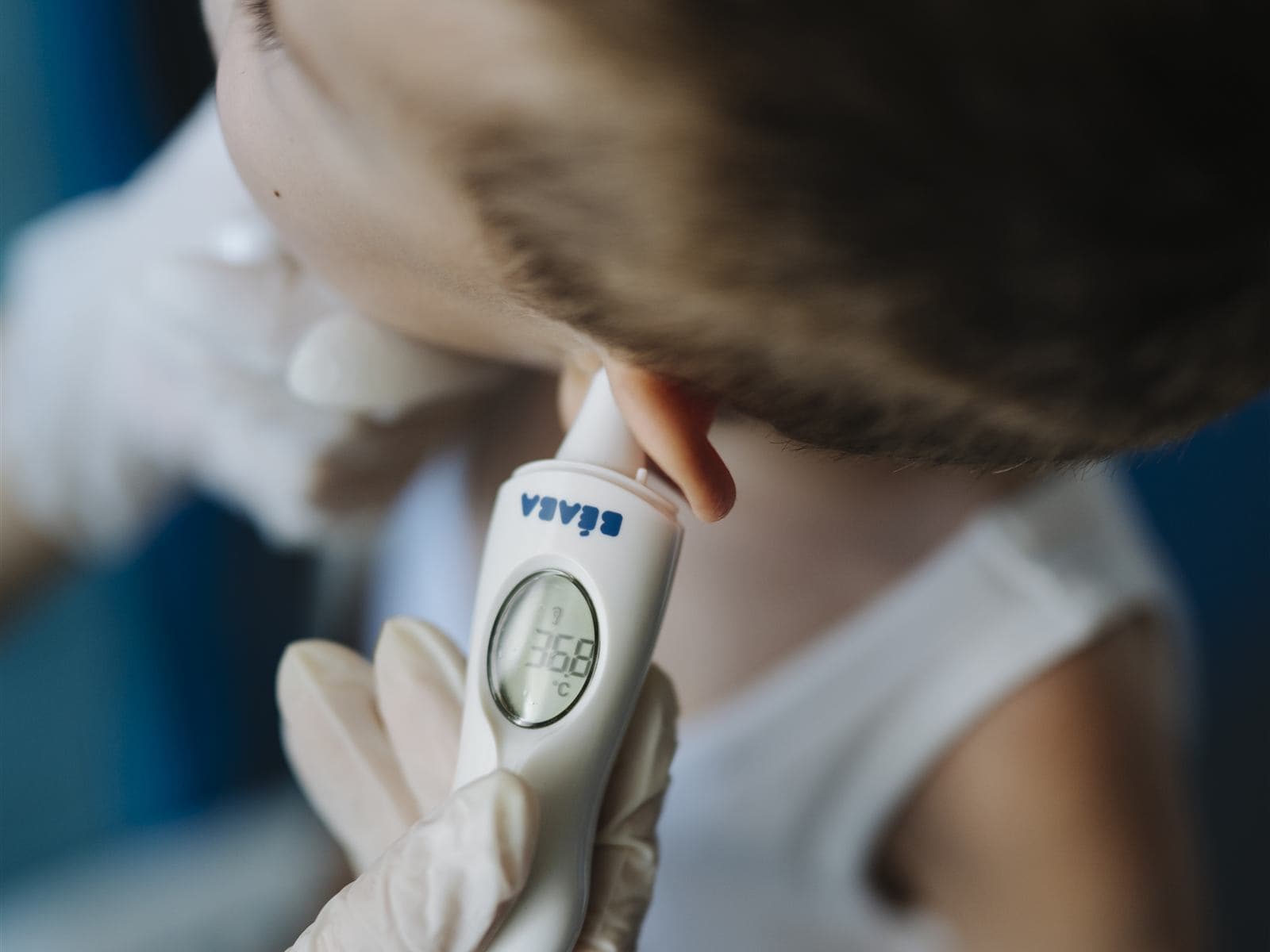
- A high temperature or feeling feverish
- A new, continuous cough
- A sore throat
- Fatigue or unusual tiredness
- Muscle aches and general body pain
- A headache
- A blocked or runny nose
These overlap heavily with symptoms of the common cold and flu, which is exactly why COVID-19 has become harder to identify from symptoms alone as it has settled into a more typical respiratory illness pattern.
Less common but still recognised symptoms
A smaller proportion of people report additional symptoms, including:
- Loss or change to sense of smell or taste
- Shortness of breath
- Diarrhoea or nausea
- Loss of appetite
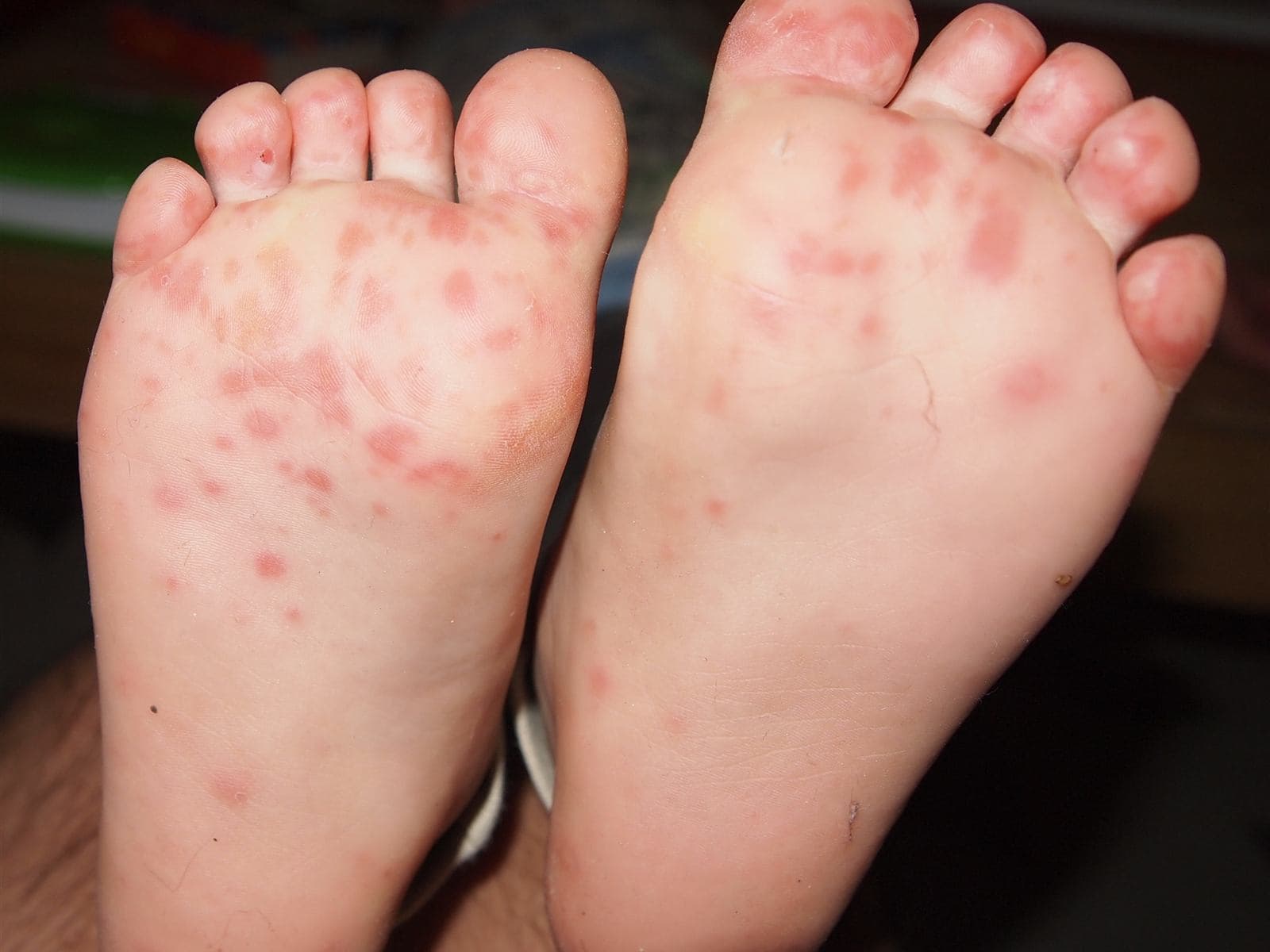
- A skin rash, in rarer cases
Loss or change of smell and taste was particularly associated with earlier variants of COVID-19 and has become somewhat less commonly reported with more recent Omicron-descended lineages, though it can still occur.
Do symptoms differ by variant?
Broadly, no single symptom reliably identifies which specific variant is responsible for an infection. Variants circulating in the UK in 2026, including XFG and NB.1.8.1, are generally associated with the same core set of symptoms described above, sometimes with a particular symptom, such as a prominent sore throat, reported more frequently in informal observations, though this hasn't been established as a reliable distinguishing feature.
When testing is worthwhile
Testing is most useful in situations where knowing your COVID-19 status would genuinely change what you do next. This includes if you're planning contact with someone at higher risk of severe illness, if you're a healthcare or care worker, or if you're in a higher-risk group yourself and might be eligible for specific antiviral treatment. If you're generally healthy and not planning contact with anyone vulnerable, general advice is simply to stay home and rest until you feel better, regardless of the exact cause of your symptoms.
When to seek medical help
Most COVID-19 cases can be managed safely at home. Seek medical advice, or emergency care where appropriate, if you experience:
- Severe difficulty breathing or breathlessness at rest
- Persistent chest pain or pressure
- New confusion or unusual drowsiness
- Symptoms that improve and then suddenly worsen again
People in higher-risk groups, including older adults and those with underlying health conditions, should generally have a lower threshold for seeking advice if they develop COVID-19 symptoms at all.
Frequently asked questions
Can you have COVID-19 with no symptoms at all?
Yes, asymptomatic infection, where someone tests positive but never feels unwell, remains possible and has been documented throughout the pandemic and since.
How long do COVID-19 symptoms usually last?
Most people feel unwell for around one to two weeks, though fatigue and cough can sometimes linger a little longer than other symptoms before fully resolving.
Are COVID-19 symptoms the same in vaccinated people?
Vaccinated people who catch COVID-19 generally experience similar symptoms to unvaccinated people, but tend to have a lower risk of the illness becoming severe.
Advertisement
Can COVID-19 symptoms come and go?
Some fluctuation during the course of an illness is common, though a pattern of clearly improving and then sharply worsening again is worth discussing with a doctor rather than assuming it's normal variation.
Are gastrointestinal symptoms common with COVID-19?
Nausea, diarrhoea and loss of appetite have been reported by a minority of people with COVID-19, more so than with a typical cold, though they remain less common than respiratory symptoms.
How symptoms have changed since 2020
The symptom profile most associated with COVID-19 has shifted somewhat since the virus first emerged. Early variants were more strongly associated with loss of smell and taste and a persistent dry cough, while more recent Omicron-descended variants circulating in 2026, including XFG and NB.1.8.1, tend to produce a symptom pattern that looks more like a typical cold or flu, with sore throat and fatigue often prominent. This shift partly reflects genuine changes in how the virus behaves and partly reflects widespread population immunity from vaccination and prior infection, which tends to produce milder illness overall.
Symptoms in different groups
Symptom presentation can vary by age and health status. Older adults may present with more subtle symptoms, such as general confusion or reduced mobility, rather than a classic fever and cough, which can sometimes delay recognition of infection in this group. Children often show milder, more nonspecific symptoms, discussed in more detail in our article on COVID-19 in children. People with weakened immune systems may experience a more prolonged illness, even where individual symptoms remain relatively mild.
When mild symptoms need a second look
Most people with COVID-19 experience mild, self-limiting symptoms that improve within a week or two with rest and basic home care. However, symptoms that seem mild at first can occasionally worsen, particularly around days five to eight of illness in some people, so it's worth continuing to monitor how you feel even after the first couple of days rather than assuming improvement will be steady and uninterrupted throughout.
Symptoms after vaccination
Vaccination doesn't prevent infection entirely, but evidence has consistently shown it reduces the likelihood of severe illness. People who catch COVID-19 despite being vaccinated, sometimes called breakthrough infections, often experience a milder course of illness than they might have otherwise, though this varies between individuals and isn't a guarantee. This is one of the main reasons booster programmes continue to be offered to higher-risk groups on a seasonal basis.
Keeping a symptom diary
If your symptoms are unusual, prolonged or you're trying to identify a pattern, particularly if you're concerned about long COVID, keeping a simple diary of what you're experiencing and when can be genuinely useful, both for your own awareness and for any conversation with a GP. Noting the date symptoms started, their severity and anything that seems to make them better or worse can help a healthcare professional build a clearer picture than a general description from memory alone.
A quick recap
COVID-19 symptoms today most commonly resemble a cold or flu, including sore throat, fatigue, cough and headache, with the classic loss of smell and taste far less common than earlier in the pandemic. Testing remains the only reliable way to confirm COVID-19 specifically and most people can manage their symptoms comfortably at home with rest and basic care.
A final note on self-assessment
Online symptom checkers, including the NHS's own tools, can be a useful starting point if you're unsure what your symptoms might indicate, though they're not a substitute for professional medical advice in more complex or concerning cases. When in doubt, particularly for anyone in a higher-risk group, speaking directly to a GP or NHS 111 remains the safest course of action.
Ultimately, familiarity with the general range of possible symptoms helps you respond sensibly and calmly, whether that means testing, resting at home, or seeking medical advice, rather than reacting to uncertainty alone.
If you're ever unsure whether what you're experiencing is COVID-19, a cold, flu or something else entirely, testing remains the clearest way to know and NHS 111 is always available for further guidance and reassurance.
Advertisement