COVID-19 Reinfection: Can You Catch It More Than Once?
Advertisement
If you've had COVID-19 more than once, you're far from alone. Reinfection is real, it's become significantly more common since the Omicron variant emerged and understanding why can help make sense of why the virus keeps circulating even in people who've already had it.
How common is reinfection?
Reinfection rates have varied considerably depending on the time period and variant studied. UK data covering infections from February 2020 to November 2022 found reinfection incidence reaching as high as 16.6% among people previously infected, while separate outpatient data from the United States put the figure closer to 3.2%. Research specifically looking at children and adolescents found around 3% experienced a reinfection over a similar period. The wide range reflects real differences in study methods and time periods, but the clear pattern across all of them is that reinfection has become substantially more common since Omicron-descended variants became dominant.
Why reinfection happens
Immunity from a previous COVID-19 infection, like immunity from vaccination, isn't permanent and gradually wanes over time. Research has found reinfection risk increases significantly once more than a year has passed since a previous infection. On top of that, the virus itself keeps evolving and newer variants carry mutations that make them better at evading the antibodies your immune system built up in response to earlier strains or older vaccine formulations. This combination, waning immunity plus an evolving virus, is exactly why reinfection has become the norm rather than the exception for a virus that's settled into a seasonal pattern.
Does vaccination reduce reinfection risk?
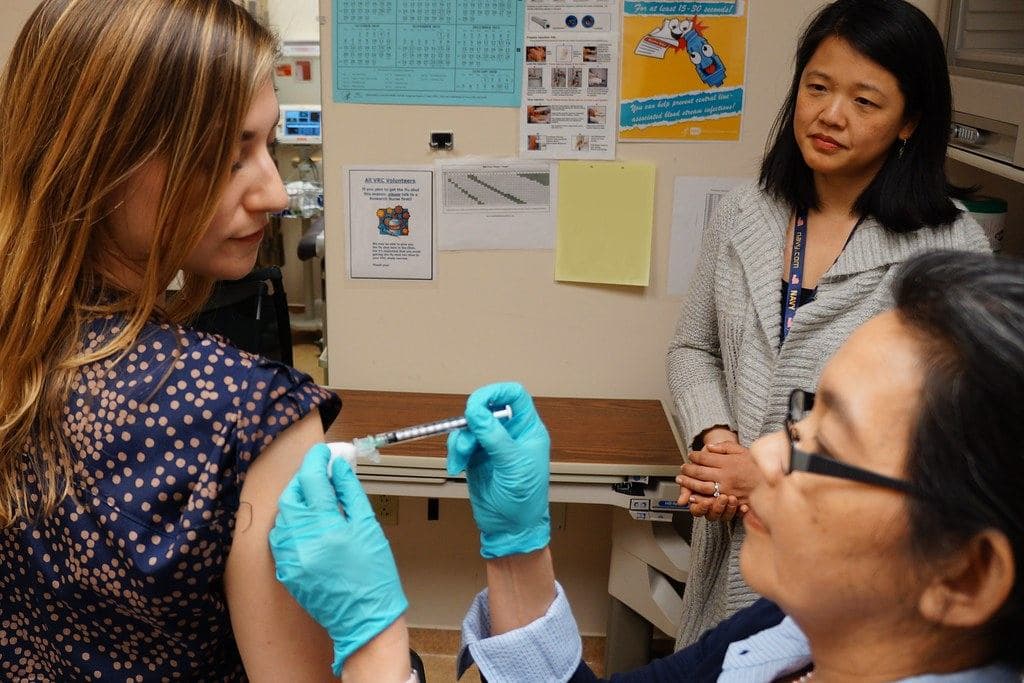
Research has found fewer reinfections among people who'd received three doses of a COVID-19 vaccine compared with those who'd had two doses or none at all. This matches the wider pattern seen with COVID-19 vaccination generally: it doesn't make you immune to catching the virus altogether, but it does meaningfully reduce the likelihood of infection and, more importantly, reduces the risk of severe illness if you do catch it again.
Is a second infection usually milder?
For most people, yes, though this isn't guaranteed for everyone. Layered immunity from a combination of previous infection and vaccination generally means subsequent infections tend to be milder than a first infection would have been without any prior immunity. That said, individual experiences vary considerably and factors like age, underlying health conditions and how much time has passed since your last exposure to the virus, whether through infection or vaccination, all play a role in how a reinfection is likely to feel.
Can you catch the exact same variant twice?
Yes, this has been documented, though it's less common than being reinfected with a different lineage. Case reports have identified reinfections involving the same genomic lineage as a person's original infection, alongside far more common cases of reinfection with a different, usually more recently emerged, variant. Either way, a positive test after a previous confirmed infection should generally be treated the same way as any other positive result.
Does long COVID risk increase with repeated infections?
This is an area of active research and the honest answer is that it isn't fully settled. Some studies have suggested that repeated infections may carry cumulative risk for lingering symptoms, while the overall picture remains less clear than research into cardiovascular or other specific long-term effects. It's a reasonable part of the case for continuing to take sensible precautions and staying up to date with eligible vaccinations, even if you've already had COVID-19 multiple times.
What to do if you test positive again
A repeat positive test doesn't require any different response to a first infection. Rest, stay hydrated, manage symptoms with appropriate over-the-counter medication and avoid close contact with anyone vulnerable while you're likely to be contagious. If you're in a higher-risk group or your symptoms are more severe than a previous infection, contacting your GP or NHS 111 remains the right call regardless of how many times you've had COVID-19 before.
How reinfection is actually tracked
Reinfection data comes from linking positive test results over time within the same person, generally requiring a minimum gap, often 90 days, between two positive results before the second is classified as a genuine reinfection rather than a prolonged first infection. In the UK, UKHSA incorporates this kind of analysis into its wider surveillance work, alongside case counts and variant tracking, to build a fuller picture of how the virus continues to move through a population that has, in large part, already been infected at least once.
Advertisement
A practical takeaway
None of this means catching COVID-19 repeatedly is something to be alarmed about for most healthy people. It reflects how an endemic respiratory virus behaves once it settles into ongoing circulation, similar to how the same person can catch different colds or flu strains more than once across their lifetime. The more useful takeaway is practical: staying up to date with eligible vaccinations and testing when it matters, rather than assuming a past infection offers lasting protection against catching COVID-19 again.
A quick note on hybrid immunity
Researchers sometimes use the term hybrid immunity to describe the combined protection built up from both vaccination and previous infection. Evidence generally suggests this combination offers stronger, more durable protection than either alone, which is one reason continuing to stay up to date with eligible vaccinations remains worthwhile even for people who've already had COVID-19 multiple times, rather than assuming natural immunity alone is sufficient going forward.
If you're regularly in contact with someone at higher risk of severe illness, factoring reinfection possibility into your own precautions, such as testing before a visit even if you've had COVID-19 before, remains a sensible habit rather than an unnecessary one.
A quick recap
Getting COVID-19 more than once is common and has become considerably more so since Omicron-descended variants took over, driven by a mix of waning immunity and ongoing viral evolution. Vaccination continues to reduce both the likelihood of reinfection and the severity of illness if it happens and a repeat infection is generally, though not always, milder than the first.
Frequently asked questions
How soon after having COVID-19 can you catch it again?
Reinfection within a few weeks is uncommon but not impossible, particularly with a different variant. Risk increases the more time passes since your last infection, with a meaningfully higher chance once more than a year has gone by.
Is there a limit to how many times you can get COVID-19?
No known limit has been identified. As with flu and other seasonal respiratory viruses, repeated infection over a lifetime is expected rather than unusual as the virus continues to circulate and evolve.
Can a test tell you if this is a reinfection or a lingering first infection?
Standard lateral flow and PCR tests can't distinguish between a new infection and a prolonged first one. If you test positive again after a period of clear negative tests and feeling well, it's generally treated as a new infection.
Does having a booster reset your immunity clock?
A booster restores and strengthens your immune response rather than resetting it entirely, offering renewed protection that, like natural immunity, gradually wanes over subsequent months.
Should I avoid seeing people if I've been reinfected multiple times?
The same general guidance applies regardless of how many times you've had COVID-19 before: stay home while you have a fever or feel unwell and avoid close contact with vulnerable people until you're feeling better.
Advertisement