COVID-19 Rash and Skin Symptoms: What's Behind 'COVID Toes'
Advertisement
Alongside the more familiar cough, fever and fatigue, COVID-19 has been linked to a surprisingly wide range of skin symptoms, from ordinary-looking rashes to the now well-known phenomenon of "COVID toes". These symptoms don't affect everyone, but they're common enough and distinctive enough, to be worth understanding.
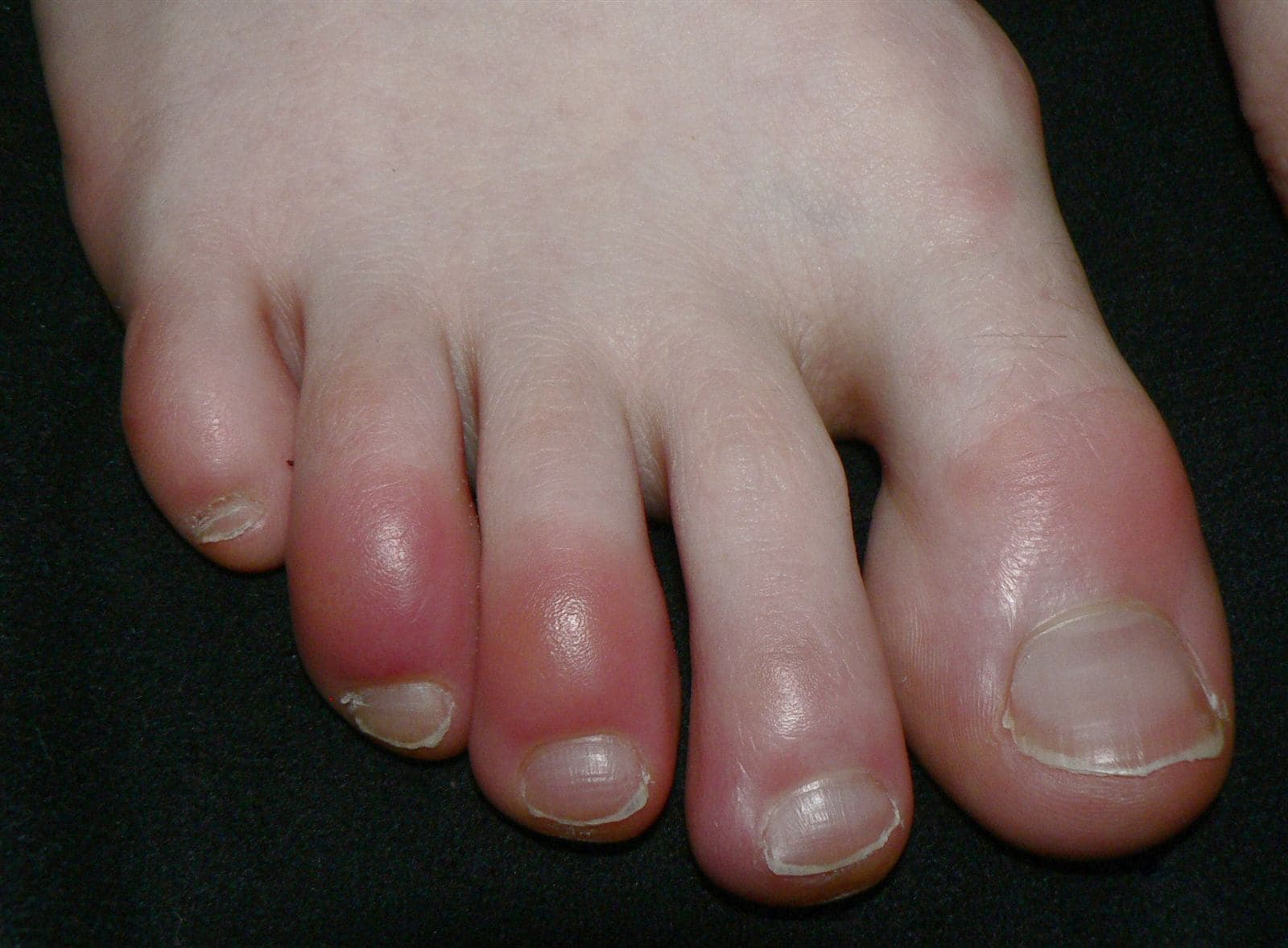
What is "COVID toes"?
COVID toes describes swelling and discolouration affecting one or more toes and occasionally fingers, typically appearing pink, red or purplish. In people with lighter skin tones, the area often starts red and gradually shifts towards purple over the following days, while presentation can look somewhat different on darker skin tones, which is worth bearing in mind since some early descriptions of this symptom were based mainly on lighter-skinned patients.
Who tends to get COVID toes?
Interestingly, this particular symptom seems to affect children, teenagers and young adults more than older age groups, which is a distinct pattern from most other COVID-19 symptoms that tend to hit older or higher-risk groups harder. Many people who develop COVID toes never go on to develop the more typical symptoms like fever, cough or muscle aches, which means it can sometimes be the only sign that someone has been infected.
Other skin symptoms linked to COVID-19
Beyond COVID toes specifically, a broader range of skin reactions have been reported, including red, bumpy rashes, hives and small, fluid-filled blisters. People who end up hospitalised with more severe COVID-19 sometimes develop a pink, itchy rash spreading across the torso and limbs, which tends to reflect a more significant overall immune response rather than being a distinct, separate condition from the milder rashes seen in less severe cases.
Why does a respiratory virus affect the skin at all?
It's a reasonable question and the answer relates to how the immune system responds to infection generally, not something unique to SARS-CoV-2. The chemicals your immune system releases to fight off a virus can also trigger inflammation that shows up as a rash, a pattern seen with plenty of other viral illnesses too, not just COVID-19. Skin symptoms are, in that sense, a side effect of your body's defence mechanism doing its job, rather than a sign that the virus is attacking the skin directly in most cases.
How long do COVID-19 skin symptoms usually last?
Most COVID-19-related rashes resolve within roughly two to twelve days, broadly in line with the general course of the illness itself. COVID toes specifically can be more stubborn, with the discolouration and swelling on the toes sometimes lingering considerably longer than a typical torso or limb rash, which can be frustrating if it's your only ongoing symptom after everything else has cleared.
Could a rash be something else entirely?
Almost certainly, in many cases. Skin rashes have countless possible causes, including allergic reactions, other viral or bacterial infections and irritant contact with something in your environment and a rash alone, without other typical COVID-19 symptoms or a known exposure, is more likely to have a different explanation. If you're concerned about a new rash and think COVID-19 could be involved, testing alongside monitoring for other symptoms gives a more reliable picture than trying to diagnose based on the rash's appearance alone.
How official guidance treats skin symptoms
The CDC's official COVID-19 symptom list focuses on the core, most common presentations such as fever, cough and loss of taste or smell and doesn't include rashes or COVID toes among its primary symptom categories. This reflects how much less common skin symptoms are compared with respiratory ones, though clinical researchers and dermatologists have documented them extensively as a genuine, if secondary, part of how COVID-19 can present, particularly in younger people.
Do these skin symptoms need treatment?
Most COVID-19-related rashes and COVID toes resolve on their own without specific medical treatment, similar to how the underlying infection itself typically runs its course. Over-the-counter options like antihistamines for itching or simple moisturisers for skin comfort can help manage symptoms while they resolve, though anything severe, spreading rapidly or accompanied by other concerning symptoms deserves a proper assessment from a doctor rather than assuming it will pass.
When skin symptoms warrant medical attention
Certain presentations are worth taking more seriously than an ordinary mild rash: widespread blistering, signs of the skin breaking down, a rash accompanied by high fever or difficulty breathing, or any skin change that's rapidly worsening rather than gradually settling. These aren't typical of straightforward COVID-19-related skin symptoms and deserve proper clinical assessment.
Advertisement
What dermatologists have learned since 2020
Since COVID-19-related skin symptoms were first widely documented, dermatologists have built a considerably more detailed picture of how the virus can present on the skin, including recognising that presentation can vary meaningfully by skin tone, a point that wasn't fully appreciated in the earliest reporting. This growing body of knowledge has also fed into how skin symptoms are now used more broadly to help identify people who might benefit from testing, particularly in cases where more typical respiratory symptoms are mild or absent entirely.
Distinguishing COVID-19 skin symptoms from other common causes
Because skin symptoms are so nonspecific, it's worth remembering that plenty of everyday conditions produce similar-looking rashes without any connection to COVID-19 at all, including heat rash, contact dermatitis and reactions to new soaps, detergents or medications. If a rash appears alongside a clear trigger, such as a new skincare product or unusually hot weather, that explanation is often more likely than COVID-19, particularly if you have no other symptoms and no known recent exposure to someone who's tested positive. Keeping a rough note of when a rash appeared and what changed around that time, whether a new product, food or environment, can make it considerably easier for a doctor to narrow down the likely cause if you do seek an assessment.
A quick recap
COVID-19 has been linked to a range of skin symptoms, from general rashes and hives to the distinctive swollen, discoloured toes known as COVID toes, which tends to affect younger people more than older adults. Most skin symptoms resolve within days to a couple of weeks without specific treatment, though widespread blistering, rapid worsening or accompanying severe symptoms warrant proper medical assessment.
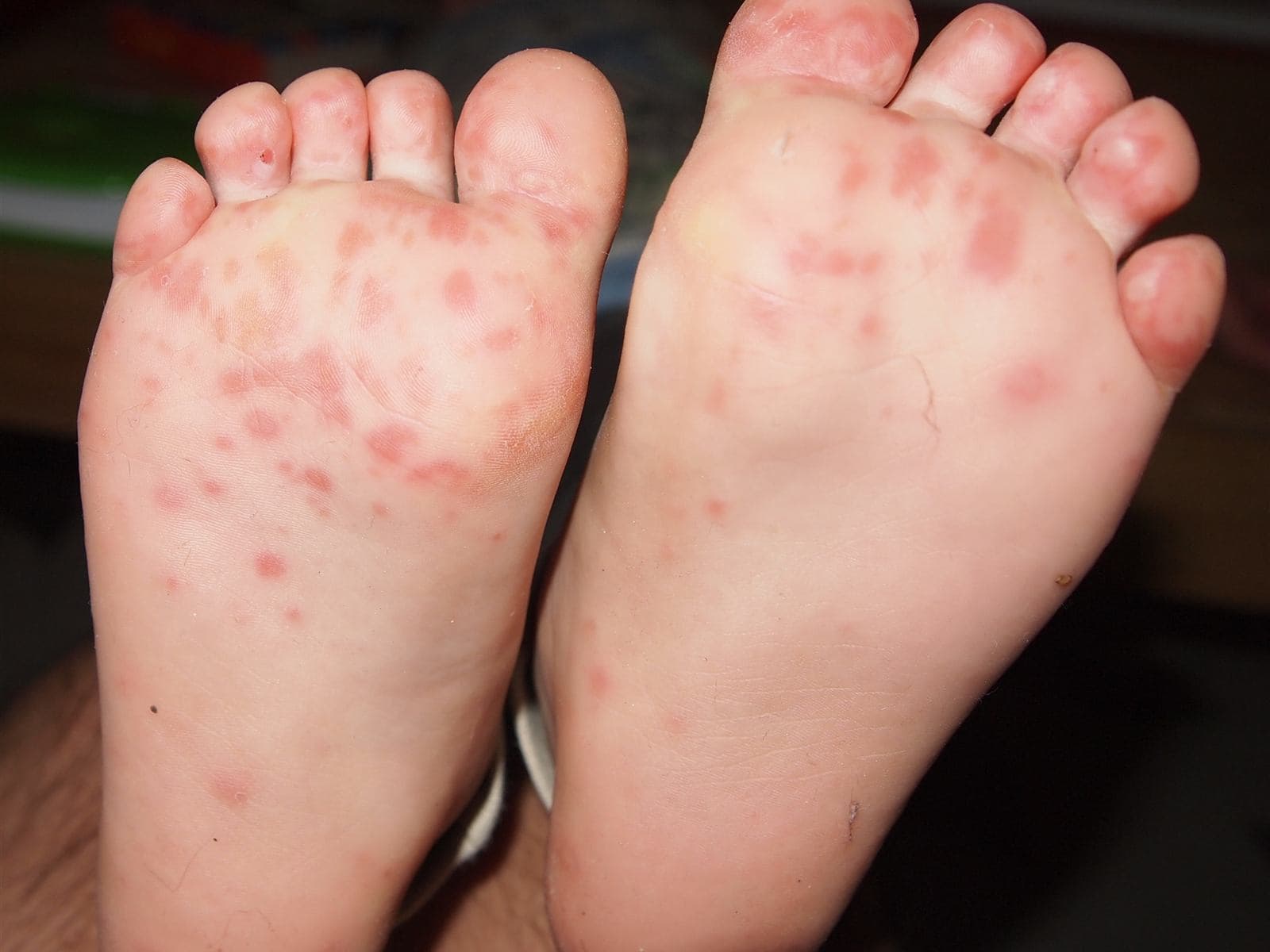
Most rashes in children during winter have other causes. Itchy blisters that crust in waves suggest chickenpox, while spots on the palms and soles with mouth ulcers point to hand, foot and mouth disease.
Frequently asked questions
Is COVID toes contagious in the same way as respiratory COVID-19 symptoms?
COVID toes itself isn't a separate contagious condition; it's a skin manifestation of the same underlying COVID-19 infection, so standard COVID-19 precautions apply rather than anything specific to the skin symptom.
Can COVID toes appear without any other COVID-19 symptoms?
Yes, many people who develop COVID toes never experience the more typical symptoms like fever or cough, which can make it the only visible sign of infection in some cases.
Do COVID-19 rashes leave permanent marks on the skin?
Most COVID-19-related rashes and COVID toes resolve without lasting marks, though as with any rash, scratching or picking at affected skin can increase the chance of temporary discolouration while it heals.
Should I get tested for COVID-19 if I only have a rash?
Testing is a reasonable step if you have a new, unexplained rash alongside a known COVID-19 exposure or other typical symptoms, since a rash alone has many possible causes beyond COVID-19.
Are COVID-19 skin symptoms more common with certain variants?
There isn't strong evidence that any single variant has been dramatically more or less likely to cause skin symptoms and reports of rashes and COVID toes have continued across multiple variants since 2020.
Advertisement