COVID-19 Guidance for People With a Weakened Immune System

Advertisement
Most COVID-19 guidance is written for the general population, but people with a severely weakened immune system, whether due to an underlying health condition or medical treatment, are in a genuinely different position and follow separate guidance in several important respects. Understanding what's different can make a real difference to how well protected you actually are.
Who counts as immunosuppressed for COVID-19 purposes
This group includes people with certain cancers and their treatments, organ transplant recipients, people on immunosuppressive medication for conditions such as rheumatoid arthritis or inflammatory bowel disease, people with primary immunodeficiencies and people with advanced or poorly controlled HIV, among others. It's a broad and varied group and the level of risk varies considerably depending on the specific condition and treatment involved, which is why individual clinical advice matters more here than general guidance.
Why vaccine response can be different
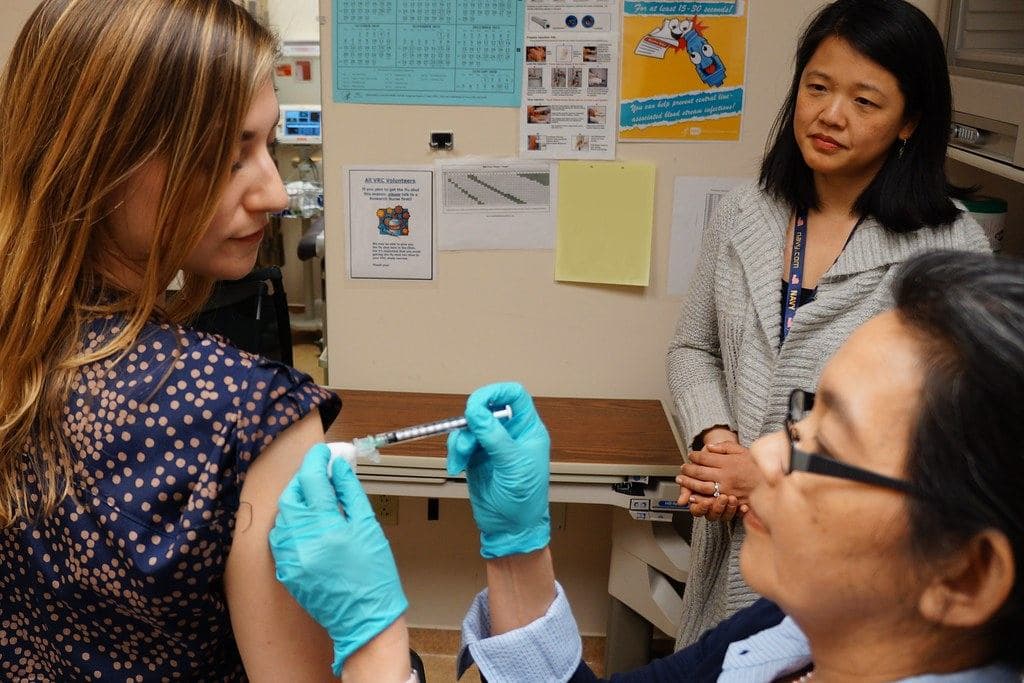
People with a severely weakened immune system may not develop as strong a protective response to COVID-19 vaccination as people with a fully functioning immune system, even after completing the standard vaccination schedule. This is the specific reason additional doses are offered to this group: not simply as an extra booster on the same schedule as everyone else, but specifically to improve the level of protection in people whose initial immune response may have been weaker than intended.
Additional dose timing
For people aged 12 and over who are immunosuppressed, guidance has generally recommended an additional dose from around six months after the previous COVID-19 vaccination, with a minimum of three months required to have passed. The NHS's spring vaccination campaign specifically identifies and invites or signposts eligible immunosuppressed patients, in recognition that this group needs a different vaccination rhythm to the general population's autumn-only pattern.
Some autoimmune and inflammatory conditions carry ongoing risk
Certain autoimmune or inflammatory conditions, including rheumatoid arthritis and inflammatory bowel disease, can mean a person remains at higher risk of serious illness from COVID-19 even after vaccination, depending on their specific condition and treatment. This is different from the general population, where vaccination has substantially reduced the risk of severe illness for most people. If you have one of these conditions, your specialist team is best placed to explain your individual level of ongoing risk, since the specific medication you're on, its dose and how long you've been taking it can all affect how much your immune response is actually suppressed, which is why generic, blanket advice for this entire broad and genuinely varied category is considerably less useful in practice than individually tailored specialist guidance based on your own specific diagnosis, current medication, dosage, duration of treatment so far and overall clinical treatment plan.
Antiviral treatment eligibility
People who are severely immunosuppressed are consistently included among the groups eligible for antiviral treatment on the NHS following a positive COVID-19 test, reflecting their higher risk of severe illness. Because these treatments work best when started quickly, it's worth knowing in advance how to access an assessment quickly, for example through your local NHS self-referral pathway, rather than trying to work this out for the first time while unwell.
Keeping a record of your immune status and treatment history
Because eligibility for additional doses, priority vaccination and antiviral treatment all depend on your specific medical circumstances, it's genuinely useful to keep a simple, up-to-date personal record of your diagnosis, current immunosuppressive medications and any specialist advice you've been given about COVID-19 specifically. Bringing this information to any COVID-19-related appointment, whether it's a vaccination booking or an antiviral assessment, can help healthcare staff who may not have your full specialist history in front of them make a faster, more accurate decision.
This is particularly useful if you're assessed by a different service to your usual specialist team, such as an out-of-hours GP or a walk-in vaccination clinic, where staff may not automatically have access to your specialist notes. A brief written summary from your specialist, even a short letter or printed clinic summary, can make this process considerably smoother when time matters, particularly given how important quick decisions are for antiviral treatment eligibility specifically.
Everyday precautions worth considering
Depending on your specific level of immune suppression, your specialist may recommend additional everyday precautions beyond general public health advice, such as being more cautious in crowded indoor settings during periods of high COVID-19 circulation, or asking close contacts to test before visiting if anyone has symptoms. These aren't blanket rules for everyone in this category; they should be tailored to your individual risk level by your treating clinician.
Advertisement
Supporting a family member who's immunosuppressed
If someone in your household is immunosuppressed, getting your own eligible vaccinations, testing before visiting if you have any symptoms and being mindful of your own exposure risk during periods when you're in close contact with them are all practical ways to reduce the chance of passing on an infection to someone at genuinely higher risk.
A quick recap
People with a severely weakened immune system face a higher risk from COVID-19 and may not respond as strongly to standard vaccination, which is why additional doses, different timing and specific antiviral treatment eligibility all apply to this group. Individual clinical guidance from your specialist team matters more here than general population advice, given how much risk varies within this broad category.
Frequently asked questions
How do I know if I count as severely immunosuppressed for COVID-19 guidance?
This is determined by your specific condition and treatment and your specialist or GP can confirm whether you fall into this category based on official clinical criteria.
Do I still need an additional dose if I've never had COVID-19?
Yes, additional dose guidance for immunosuppressed people is based on how your immune system is likely to respond to vaccination, not on your COVID-19 infection history.
Can I request an additional dose myself, or does the NHS contact me?
The NHS aims to identify and invite or signpost eligible immunosuppressed patients directly, but if you believe you're eligible and haven't been contacted, raising it with your GP or specialist is a reasonable next step.
Does being immunosuppressed affect which COVID-19 vaccine I should have?
Vaccine type recommendations can vary based on individual clinical circumstances, so this is worth discussing directly with your specialist rather than assuming the general population's recommendation applies identically.
Is antiviral treatment safe for immunosuppressed patients on other medications?
Antivirals such as Paxlovid can interact with certain medications, so a clinical assessment checking your current treatments is a standard and important part of the eligibility process for this group.
Should household members of an immunosuppressed person get extra vaccines?
Household members should stay up to date with their own eligible vaccinations as a general precaution, though specific "cocooning" vaccination programmes vary and are best discussed with your specialist team if you're unsure.
Does being immunosuppressed change how COVID-19 symptoms present?
Symptoms are generally similar to the wider population, though immunosuppressed people can sometimes have a longer infectious period or a more prolonged illness, which is part of why individual specialist guidance matters more than general population timelines for this group. Testing positive for longer than expected after symptoms have resolved isn't necessarily unusual for this group and doesn't automatically indicate a problem.
Advertisement