COVID-19 and Pregnancy: What Expectant Mothers Should Know

Advertisement
Pregnancy brings a range of changes to the immune system and body that can affect how a person responds to infections, including COVID-19. Understanding the specific risks and current guidance can help expectant mothers make informed decisions about protecting their own health and their baby's.
Why pregnancy increases risk
Pregnant women face a higher risk of severe illness from COVID-19 compared with the general population, particularly in the later stages of pregnancy. This is partly due to natural changes in the immune system and lung capacity during pregnancy, which can make respiratory infections more likely to become serious. COVID-19 during pregnancy has also been associated with a higher risk of certain pregnancy complications, including premature birth, in some studies.
Vaccination recommendation
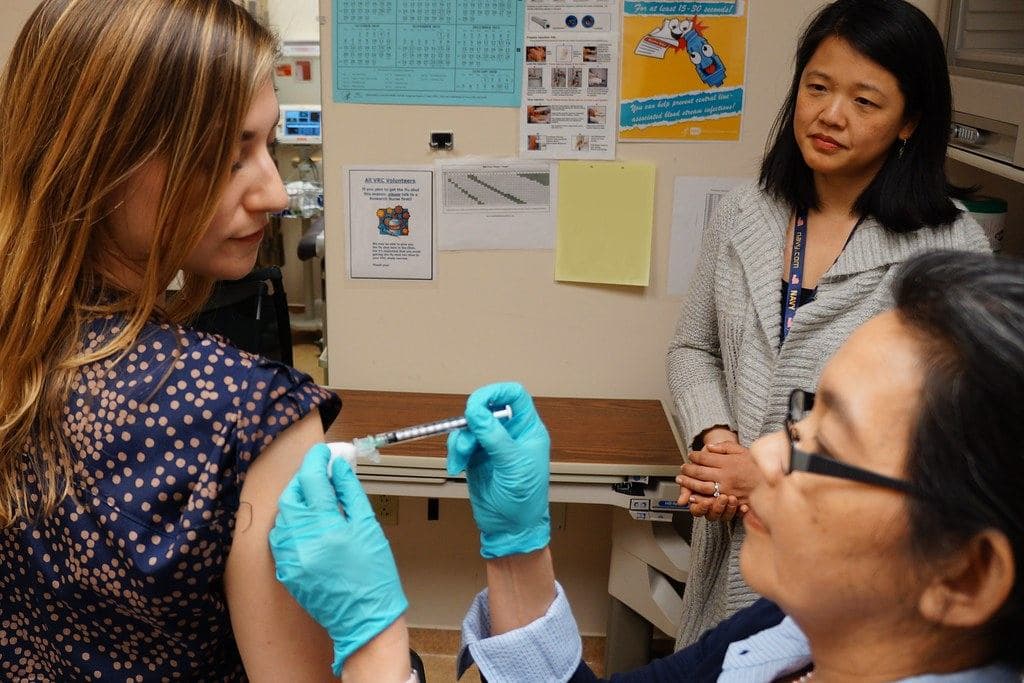
COVID-19 vaccination has generally been recommended for pregnant women in the UK, at any stage of pregnancy, reflecting this increased risk. Large studies conducted since the vaccines were introduced haven't identified safety concerns specific to pregnancy and health authorities including the NHS have continued to recommend vaccination for pregnant women who are eligible under current seasonal booster programmes. Anyone with specific questions or concerns should speak with their midwife or GP for advice tailored to their individual circumstances.
Symptoms to watch for
Symptoms of COVID-19 during pregnancy are generally similar to those experienced by anyone else, including fever, cough, sore throat and fatigue. Because some COVID-19 symptoms, such as tiredness and breathlessness, can overlap with normal pregnancy symptoms, it's worth mentioning any new or worsening symptoms to a midwife or doctor rather than assuming they're simply pregnancy-related.
Practical precautions
General precautions that reduce COVID-19 risk apply equally during pregnancy: good hand hygiene, staying away from anyone known to be unwell where possible and keeping indoor spaces well ventilated. Pregnant women in the later stages of pregnancy, or with additional risk factors such as certain existing health conditions, may be advised to take extra care during periods when respiratory illness is circulating more widely, typically autumn and winter.
When to seek medical advice
Pregnant women who develop COVID-19 symptoms are generally advised to contact their midwife or maternity team for advice, particularly if symptoms are severe, if there's any reduction in the baby's usual movements, or if there are other pregnancy-specific concerns alongside the illness. Seeking advice promptly allows any necessary monitoring or treatment to be arranged without delay.
Support available
Maternity services in the UK have well-established pathways for supporting pregnant women who test positive for COVID-19, including guidance on continuing antenatal care safely and monitoring for any signs of complications. If you test positive while pregnant, your maternity team can advise on what additional monitoring, if any, is appropriate for your specific stage of pregnancy and individual circumstances.
Frequently asked questions
Can COVID-19 be passed to the baby during pregnancy?
Transmission of the virus from mother to baby during pregnancy appears to be uncommon, though research into this continues. Most babies born to mothers who had COVID-19 during pregnancy haven't tested positive themselves.
Is it safe to breastfeed if I have COVID-19?
Current guidance generally supports continuing to breastfeed if you have COVID-19, alongside sensible hygiene precautions such as washing hands before feeding, since the established benefits of breastfeeding are considered to outweigh the low risk of transmission through breast milk.
Should I avoid antenatal appointments if I have COVID-19 symptoms?
Contact your maternity team to let them know rather than simply not attending. They can advise whether your appointment should proceed with precautions, be conducted remotely where appropriate, or be rescheduled.
Advertisement
Can I have a COVID-19 vaccine and another vaccine, such as whooping cough, at the same time during pregnancy?
Vaccines routinely offered during pregnancy can generally be given at the same appointment or at different times, based on current guidance from your midwife or GP, who can advise on the most appropriate schedule for your circumstances.
What if I catch COVID-19 close to my due date?
Your maternity team will factor a recent or current COVID-19 infection into planning for labour and birth, including any additional precautions needed, so it's important to let them know as soon as possible if you test positive close to your due date.
COVID-19 in the different trimesters
Risk from COVID-19 during pregnancy isn't necessarily uniform across all three trimesters. Evidence has generally suggested the risk of complications is more pronounced in the second and third trimesters, though infection at any stage of pregnancy warrants sensible precautions and, where symptoms develop, prompt contact with your midwife or maternity team. Your maternity team can give guidance specific to your individual stage of pregnancy and any additional risk factors you may have.
Partners and household precautions
Partners and other household members can help reduce the risk of bringing COVID-19 into the household during pregnancy through general good hygiene practices, including regular hand washing and staying away from the pregnant person if they're unwell themselves. This is particularly relevant in the later stages of pregnancy or if the pregnant person has additional risk factors that increase their vulnerability to severe illness.
Why vaccination is recommended during pregnancy
Evidence gathered since COVID-19 vaccines were first rolled out has consistently supported their safety during pregnancy and vaccination is recommended at any stage of pregnancy for those who are eligible. Pregnant women who catch COVID-19 face a somewhat higher risk of complications compared with the general population, which is part of why maternity and vaccination services in the UK have prioritised clear, proactive guidance for pregnant women throughout the pandemic and beyond.
After the birth
If you test positive for COVID-19 around the time of birth, this doesn't automatically prevent skin-to-skin contact or breastfeeding, both of which are generally still encouraged with sensible hygiene precautions such as hand washing and wearing a face covering while caring for your baby if you have symptoms. Your midwife or the neonatal team can talk through the specific precautions recommended in your circumstances.
Where to get more support
Your midwife remains the best first point of contact for any pregnancy-specific questions about COVID-19 and most maternity units also have clear written guidance available for expectant mothers covering testing, vaccination and what to do if you become unwell. Don't hesitate to raise any concerns at a routine appointment, even if they seem minor, since maternity teams are well used to discussing exactly these kinds of questions.
A quick recap
COVID-19 vaccination is recommended and considered safe at any stage of pregnancy and catching the virus while pregnant carries a somewhat higher risk of complications than for the general population. Your midwife or maternity team is the best source of guidance tailored to your individual pregnancy, so raise any concerns with them directly.
Emotional wellbeing matters too
Catching an illness during pregnancy can understandably be worrying, even when the physical symptoms themselves are mild. It's completely normal to feel anxious and speaking to your midwife about those feelings, not just the physical symptoms, is a valid and encouraged part of your antenatal care throughout this experience.
Every pregnancy is different and general guidance like this is no substitute for the personalised advice your midwife or obstetric team can offer based on your own health history. If anything here raises a question specific to your situation, raising it directly with your care team is always the right next step.
Advertisement