Coronavirus in Islam
Advertisement
The COVID-19 pandemic raised practical questions for religious communities everywhere and Islam is no exception. While there is no specific mention of COVID-19 in Islamic scripture, for obvious reasons, Islamic teachings offer broad principles around health, illness and community responsibility that scholars and communities drew on throughout the pandemic.
Historical precedent for public health measures
Islam has a long tradition of guidance around epidemics that predates COVID-19 by many centuries. There are well-known hadith (recorded sayings of the Prophet Muhammad) advising that if a plague breaks out in a land, those already there should not leave it and those outside should not enter it, guidance that closely mirrors modern public health advice around quarantine and travel restrictions. This precedent gave many scholars a clear religious basis for supporting measures such as lockdowns, social distancing and travel limits during COVID-19, rather than viewing them as being in tension with faith.
Adapting worship and religious practice
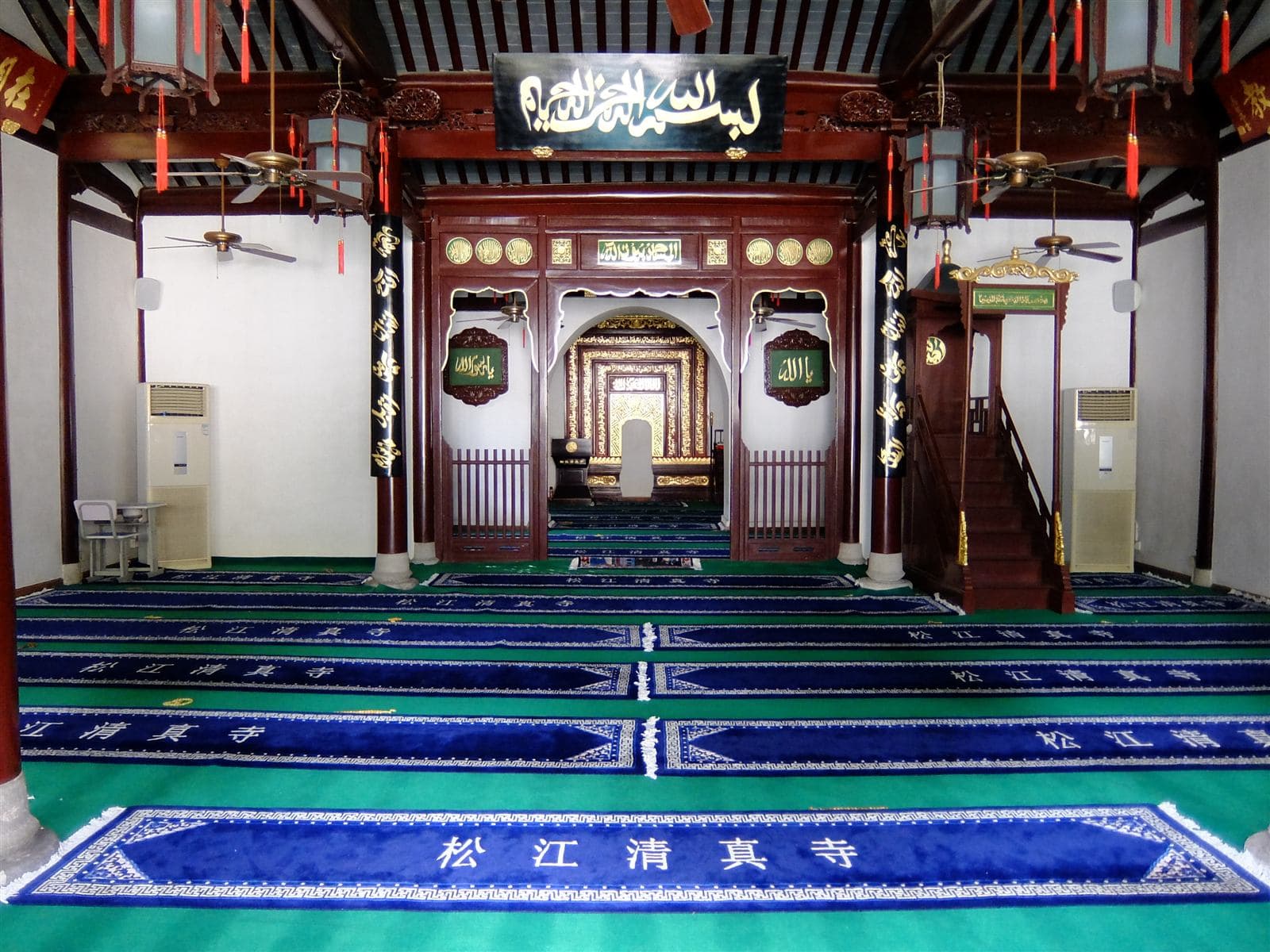
The pandemic required significant, if temporary, adaptations to religious practice. Many mosques closed or limited capacity during periods of high transmission and Friday congregational prayers were suspended or modified in various countries, decisions generally made by religious authorities in consultation with public health guidance. Some scholars issued rulings permitting the use of hand sanitiser during wudu (ritual washing) when water wasn't available and guidance was issued on adapting funeral rites, including ghusl (ritual washing of the deceased) and burial practices, to reduce infection risk while still honouring religious obligations as closely as possible.
These were not viewed as compromises of faith but as reasonable, temporary accommodations grounded in the Islamic principle that preserving life is a central objective of religious law.
The emphasis on protecting health
Islamic teaching places strong emphasis on protecting one's own health and the health of others and on seeking appropriate medical treatment when unwell. Practical steps such as regular hand washing, avoiding close contact with those who are sick and following the guidance of medical professionals align closely with Islamic principles around self-care and consideration for others.
Compassion and community support
Care for the vulnerable is a recurring theme in Islamic teaching and this played out clearly during the pandemic. Many Muslim communities organised support for those affected by COVID-19, including elderly neighbours, people in isolation and those facing financial hardship, through charitable giving (sadaqah), community food deliveries and check-in networks. This reflects a broader principle in Islam that the wellbeing of the community is closely tied to the wellbeing of each individual within it.
A reminder of shared responsibility
For many, the pandemic reinforced a sense that protecting health, one's own and that of others, is a shared responsibility rather than a purely individual choice. Muslims were generally encouraged to follow the guidance of health authorities and medical professionals, to take sensible precautions and to continue supporting those in their community who were struggling, whether through illness, isolation or financial hardship.
As with all matters of religious practice, specific questions are best directed to a qualified local scholar or imam, who can offer guidance suited to individual circumstances.
Hajj and Umrah during the pandemic
The pandemic had a significant effect on Hajj and Umrah, the pilgrimages to Mecca that are central to Islamic practice. Saudi Arabia, which manages access to these sites, dramatically restricted numbers during 2020 and 2021, allowing only a small fraction of the usual pilgrims, drawn mainly from residents already within the country, with strict health measures in place including testing, distancing and capacity limits. Numbers were gradually increased again as the pandemic situation improved, returning to more typical levels once restrictions were lifted more broadly. These decisions were made by Saudi authorities in consultation with public health guidance, reflecting the same principle that protecting life takes precedence, even over significant religious observances.
Guidance across different communities
As with many religious questions, specific guidance during the pandemic sometimes varied between different scholars, schools of thought and national religious bodies, reflecting differences in local circumstances, the severity of local outbreaks and interpretation of relevant religious principles. What remained broadly consistent across the Muslim world was the underlying emphasis on preserving life, showing compassion to those affected and cooperating with legitimate public health authorities.
Advertisement
Frequently asked questions
Was it permissible to miss Friday prayers during lockdowns?
Many scholars issued rulings permitting the temporary suspension of congregational Friday prayers where public health guidance required it, on the basis that preserving life and preventing harm are core Islamic principles that can take precedence in genuine emergencies.
How did Islamic funeral rites adapt during the pandemic?
Guidance was issued in many countries on how to perform ghusl (ritual washing) and burial safely when the deceased had COVID-19, sometimes involving additional protective measures for those handling the body, while still aiming to honour the religious obligations as closely as circumstances allowed.
Where can I get guidance on a specific situation?
Questions about how Islamic teaching applies to a specific personal circumstance are best directed to a qualified local scholar or imam.
Interfaith cooperation during the pandemic
The pandemic prompted a notable degree of interfaith cooperation, as religious communities of different faiths, including Islam, Christianity, Judaism, Hinduism and others, faced remarkably similar practical challenges around adapting communal worship, supporting vulnerable members and encouraging public health compliance. In many areas, faith leaders from different traditions worked together, or at least in parallel, on public health messaging aimed at their respective communities, recognising that a coordinated, unified message carried more weight than fragmented or conflicting guidance.
This period also highlighted the significant role that religious communities, including mosques and Islamic charities, played in supporting vulnerable people more broadly, not only within their own congregations but often within the wider local community, through food banks, welfare checks and financial assistance during a period of widespread hardship.
Zakat, sadaqah and pandemic relief efforts
Islamic charitable giving, including obligatory zakat and voluntary sadaqah, played a significant role in pandemic relief within many Muslim communities. Mosques and Islamic charities redirected significant resources towards emergency food parcels, financial support for families who had lost income and support for hospitals and healthcare workers, both within their own countries and internationally in regions with fewer resources to cope with the crisis. This reflected a broader pattern seen across many faith communities during the pandemic, where existing charitable infrastructure was rapidly adapted to meet urgent new needs.
Reflections from within the community
Many within Muslim communities have described the pandemic as a period that, despite its hardship, brought a renewed focus on some core Islamic values, including patience, gratitude, community solidarity and reliance on faith during difficult times. Mosques that reopened after periods of closure often reported strong community engagement and charitable giving in many Muslim communities remained resilient throughout the pandemic despite the widespread economic hardship many households were facing at the same time.
A final word
The pandemic tested communities of every faith and Islamic teaching offered a framework, grounded in centuries of precedent, for balancing religious practice with the protection of life and health. That balance continues to inform how Muslim communities approach public health guidance today.
Looking ahead
As formal pandemic restrictions have faded from daily life, the lessons drawn from this period, around resilience, community care and adapting practice without abandoning principle, continue to shape how Muslim communities plan for future public health challenges.
For clinical guidance on COVID-19 itself, regardless of faith or background, the NHS remains the primary source of medical advice in the UK and scholars quoted in this piece drew on that same official guidance when forming their own positions.
Advertisement