What to Do If You Catch COVID-19 in 2026: A Practical Guide

Advertisement
Catching COVID-19 in 2026 looks quite different to catching it in 2020. There are no legal restrictions left in the UK and the virus is now managed broadly like other seasonal respiratory infections. That doesn't mean there's no guidance at all though and knowing the current, practical steps can make the difference between a smooth few days at home and unknowingly passing the virus on to someone vulnerable.
Step one: confirm it's COVID-19
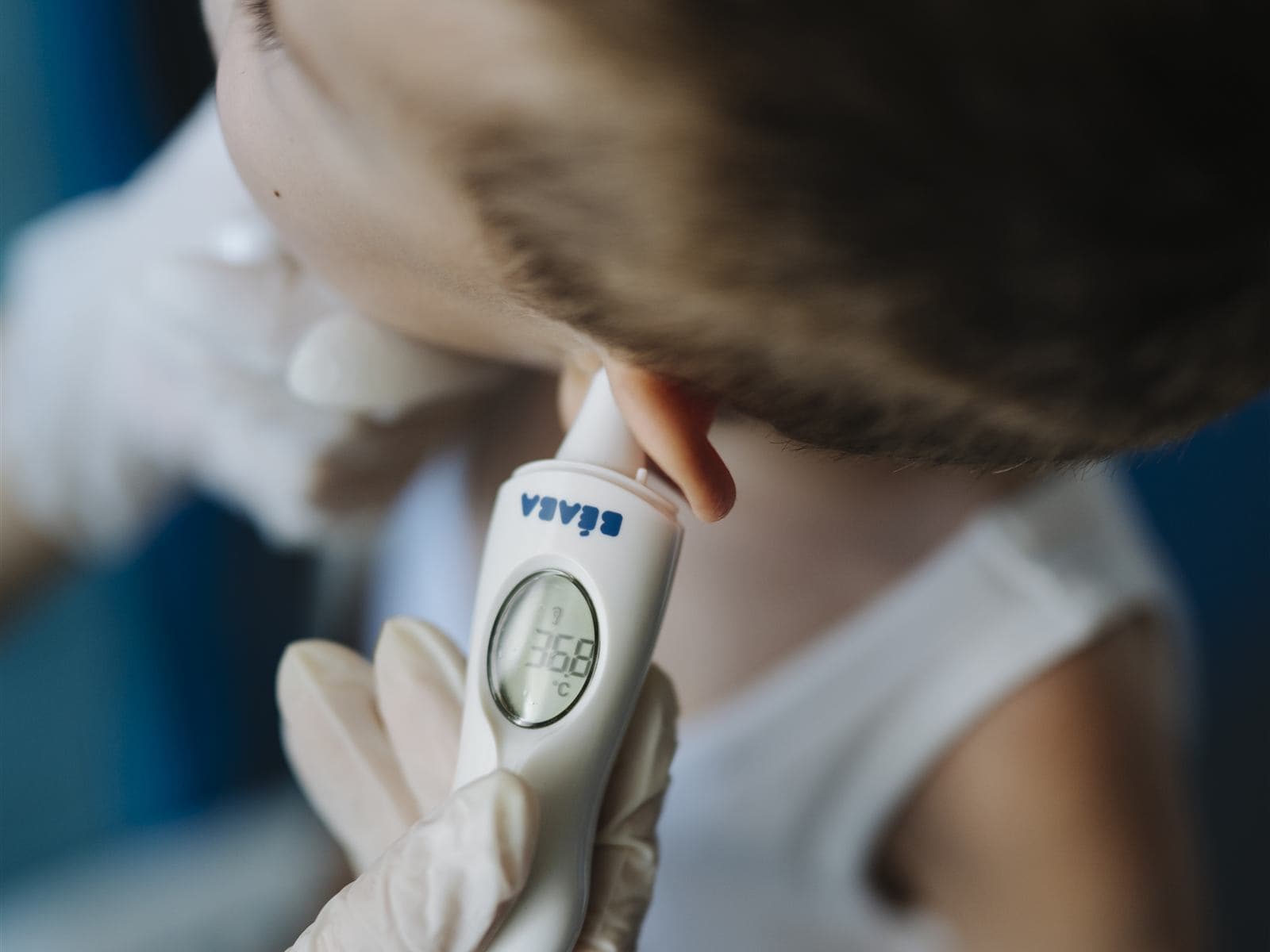
If you have symptoms such as a high temperature, new continuous cough, loss or change to your sense of smell or taste, or general flu-like symptoms, a rapid lateral flow test remains the quickest way to confirm whether COVID-19 is the cause. This matters because it affects both how long you should stay home and whether you might be eligible for antiviral treatment if you're in a high-risk group.
Step two: try to stay home while you're unwell
Current NHS guidance recommends you try to stay at home and avoid contact with other people if you have a high temperature or don't feel well enough to carry out your usual activities. For adults aged 18 and over, this generally means trying to avoid contact with others for 5 days after the day you took your positive test. For children and young people under 18, the recommended period is shorter, at 3 days after the test.
Extra care around vulnerable people
If you test positive, it's worth trying to avoid close contact with anyone at higher risk of becoming seriously unwell from infections, such as people with a weakened immune system, for a longer period of around 10 days after your positive test. This is one of the more important pieces of practical advice that's easy to overlook once legal rules have gone, since the underlying risk to vulnerable people hasn't changed even though the rules around it have relaxed.
Step three: manage your symptoms at home
For most people, COVID-19 can be managed the same way as any other viral illness. Get plenty of rest, stay well hydrated and take paracetamol or ibuprofen if you're uncomfortable with fever or aches, following the packet instructions. Honey can help soothe a cough, though it isn't suitable for babies under 12 months. If you're breathless, sitting upright, relaxing your shoulders and breathing slowly in through your nose and out through your mouth can help; avoid lying flat if you have a persistent cough and it's best not to use fans, since they may spread the virus further around a room.
When to contact NHS 111
Contact NHS 111, either by phone or using the 111 online service, if your symptoms get worse, don't improve after 5 days, or if a young child develops a high fever that concerns you. NHS 111 is designed specifically for this kind of situation, where you need medical guidance but aren't facing an immediate emergency.
When to call 999
Call 999 or go to A&E if you experience severe breathlessness, such as being unable to speak in short sentences while resting, sudden chest pain, coughing up blood, collapse, seizures, or a rash that doesn't fade when a glass is rolled over it. These are recognised emergency warning signs and it's always better to seek urgent help and be reassured than to wait and see if things improve on their own.
What if you're eligible for antiviral treatment?
If you're in a high-risk group, testing promptly and contacting your GP, NHS 111 or your local self-referral pathway as soon as you get a positive result matters, since antiviral treatments work best when started quickly after symptoms begin. It's worth knowing in advance whether you might qualify, rather than trying to work out the process for the first time while feeling unwell.
Telling other people you've had contact with
Although there's no legal requirement to notify anyone, it remains good practice to let people you've recently spent significant time with know you've tested positive, particularly if any of them are older, pregnant, or have a health condition that puts them at higher risk. A quick message giving them the choice to test themselves or take extra precautions is a small courtesy that can make a real difference to someone more vulnerable than you.
Advertisement
This is particularly relevant if you've been in a household, workplace, or social setting with someone you know falls into a higher-risk category. You don't need to know every detail of their medical situation to send a considerate heads-up; simply flagging that you've tested positive is enough for them to make their own informed decisions.
Looking after your wellbeing, not just your symptoms
A few days at home with COVID-19 can be genuinely tedious, even when symptoms are mild and it's worth planning for this rather than being caught out. Having entertainment lined up, arranging for a friend or neighbour to drop off essentials if you live alone and pacing your energy rather than trying to push through fatigue can all make the isolation period considerably more manageable, both physically and mentally. Fresh air in your own garden or a private outdoor space, without close contact with others, is generally fine and can genuinely help with mood and energy during a longer stretch at home.
A quick recap
There are no legal COVID-19 rules left in the UK in 2026, but NHS guidance still recommends trying to stay home while you're unwell, roughly 5 days for adults and 3 for children after a positive test, with extra caution around vulnerable people for about 10 days. Most people can manage symptoms at home with rest, fluids and over-the-counter medicine, while NHS 111 and 999 remain there for worsening or emergency symptoms respectively.
Frequently asked questions
Do I legally have to isolate if I test positive for COVID-19?
No, there's no legal requirement to isolate in the UK as of 2026. The guidance to stay home while unwell is a public health recommendation rather than a legal rule.
Can I go to work if I test positive but feel well enough?
This is a personal and workplace decision rather than a legal restriction, though many employers still encourage staying home while testing positive or symptomatic and it's worth checking your specific workplace policy.
How long is someone with COVID-19 actually contagious?
Contagiousness varies between individuals, but risk is generally highest in the days around symptom onset and gradually decreases, which is part of the reasoning behind the 5-day and 3-day guidance periods.
Should I retest before ending my isolation period?
Current guidance is based on time since your positive test rather than requiring a negative retest, though continuing to feel unwell or having a fever is a reasonable personal reason to extend your time at home regardless of test results.
What if I test positive again shortly after recovering?
A new positive test after a period of feeling well is generally treated as a new infection and the same guidance on staying home and being cautious around vulnerable people applies again.
Do I still need to tell my employer if there's no legal requirement?
Most workplaces still expect employees to report sickness absence, including COVID-19, in line with their normal sickness reporting policy, even though there's no COVID-specific legal notification requirement.
Advertisement