PCR vs Lateral Flow Tests: Which Should You Use?

Advertisement
Two main types of test have been used to detect COVID-19 throughout the pandemic and since: PCR tests and lateral flow tests. Both remain in use in 2026, though the way people access and use them has changed considerably since the height of the pandemic, when mass free testing was widely available.
How PCR tests work
PCR, or polymerase chain reaction, tests detect the genetic material of the virus using a laboratory process that amplifies even tiny amounts of viral RNA until it's detectable. This makes PCR tests highly sensitive and accurate, able to pick up infections that a lateral flow test might miss, particularly very early or very late in the illness when viral load is lower. The trade-off is that samples need to be processed in a laboratory, meaning results typically take a day or more rather than being available immediately.
How lateral flow tests work
Lateral flow tests work more like a home pregnancy test, using antibodies on a test strip that react to viral proteins present in a sample, producing a visible line if the result is positive. They can be done entirely at home, with results ready in around fifteen to thirty minutes. They're somewhat less sensitive than PCR tests, meaning they can occasionally return a false negative, particularly if viral load is low, but they remain a reliable and convenient option for most everyday purposes.
Accuracy compared
PCR tests remain the gold standard for accuracy, which is why they're still used in clinical and research settings where a definitive result matters most. For general everyday use, lateral flow tests offer a good balance of accuracy and convenience and testing again a day or two later if you still have symptoms but received a negative result can help catch cases where viral load was too low to detect on the first test.
Speed and convenience
This is where lateral flow tests clearly have the advantage, giving you a result within half an hour without leaving home. PCR testing generally requires either visiting a testing site or posting a sample to a laboratory, plus a wait of a day or more for results, making it less practical for quick, everyday decisions like whether to attend a social event.
Cost and availability in 2026
Free universal testing, widely available during the height of the pandemic, has been scaled back considerably. Lateral flow tests can be purchased from pharmacies and supermarkets and free testing generally remains available for certain higher-risk groups, including some NHS patients and care home residents, in line with current guidance. PCR testing is generally accessed through the NHS for clinical purposes, or through private providers for other reasons, such as travel requirements where these still apply.
Which should you choose?
For most everyday situations, a lateral flow test is the practical choice: quick, convenient and reasonably reliable, particularly if you test again after a day if your first result is negative but symptoms continue. PCR testing is more appropriate when accuracy is critical, for example for certain clinical decisions, or when specifically requested by a healthcare provider.
Frequently asked questions
Can a lateral flow test give a false positive?
False positives are uncommon but possible. If you get a positive result unexpectedly and want to confirm it, a follow-up PCR test can provide additional certainty.
Do I need a PCR test to confirm a positive lateral flow result?
Generally, no. Current guidance treats a positive lateral flow result as sufficient confirmation of infection for most everyday purposes, without requiring a confirmatory PCR test.
How soon after exposure should I test?
Testing immediately after a known exposure often won't detect the virus, since it takes time for viral load to build up. Testing a few days after exposure, or as soon as symptoms appear, generally gives a more reliable result.
Advertisement
Do lateral flow tests expire?
Yes, lateral flow tests have an expiry date printed on the packaging and using an expired kit can affect the reliability of the result.
Can I use a lateral flow test that's been left in a hot car?
Test kits should be stored within the temperature range specified in the instructions. Extreme heat or cold can affect the chemical components of the test and potentially produce an inaccurate result.
How to do a lateral flow test correctly
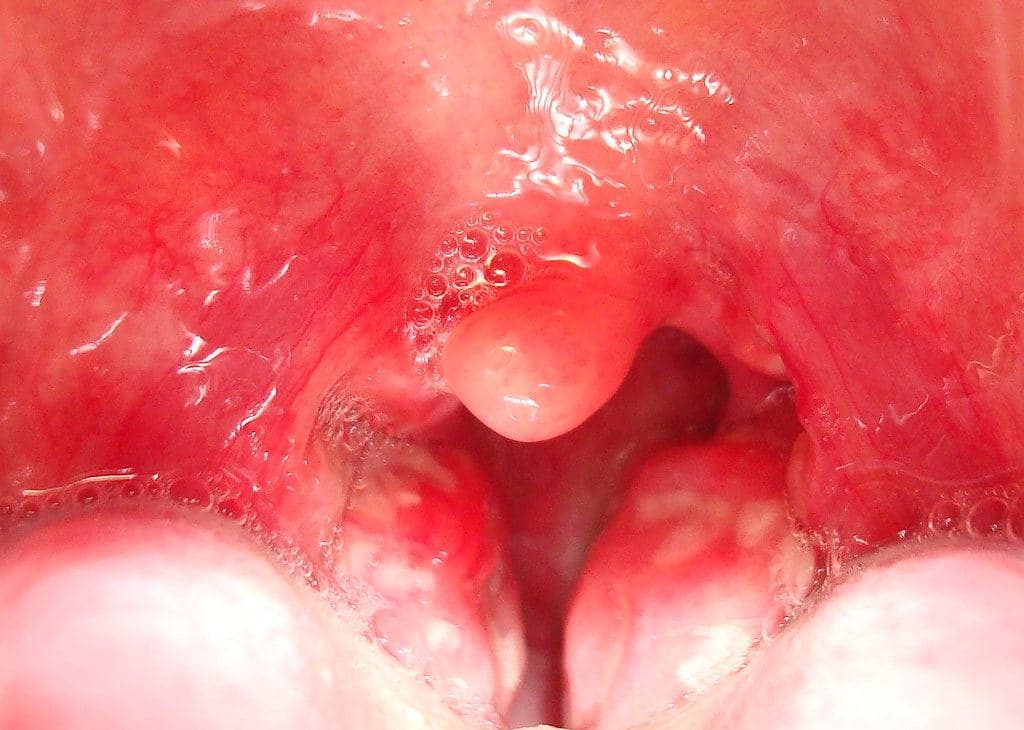
Getting an accurate result from a lateral flow test depends partly on doing it correctly. This generally means following the swabbing technique described in the instructions closely, covering both tonsils and the back of the throat as well as inside the nose where directed and reading the result within the specific time window stated, since reading too early or too late can affect accuracy. Using an expired kit, or one that hasn't been stored correctly, can also affect reliability.
What a negative result actually means
A negative lateral flow result reduces the likelihood you're currently infectious but doesn't rule it out completely, particularly early in an infection before viral load has built up enough to detect. If you have clear symptoms but test negative, testing again a day or so later, or considering a PCR test if a definitive answer matters, can help clarify the picture rather than relying on a single negative result alone.
Where to get each type of test
Lateral flow tests are widely available to buy from pharmacies and supermarkets and are generally quick and straightforward to use at home without any special training. PCR tests are less widely available for routine home use than they were earlier in the pandemic and are now more commonly accessed through a GP, hospital or private provider when a more accurate or documented result is specifically required, for example ahead of certain medical procedures.
Cost considerations
Free COVID-19 testing that was widely available to the public earlier in the pandemic has now ended in most circumstances and both lateral flow and PCR tests are generally bought privately by members of the public who choose to test. Some settings, including certain healthcare and care environments, may still provide free testing for staff, patients or residents as part of their own infection control policies, so it's worth checking with the specific setting if this applies to you.
Disposing of test kits safely
Used test kits, including the swab and cassette, should be sealed in a bag before being placed in your regular household waste, following the disposal guidance included with most kits. This is a simple step but worth following properly, particularly in households with young children or pets, to avoid any accidental contact with used testing materials.
A quick recap
Lateral flow tests are quick, convenient and widely available for home use, while PCR tests offer higher accuracy but are less readily accessible for routine testing than earlier in the pandemic. For most everyday situations, a correctly performed lateral flow test gives a reliable enough answer, with PCR reserved for situations where a more definitive result genuinely matters.
Testing before visiting vulnerable people
Even without formal isolation rules, taking a lateral flow test before visiting someone who is elderly, pregnant or immunocompromised remains a simple, sensible precaution if you've had any recent symptoms or known exposure. It only takes a few minutes and can provide useful peace of mind for both you and the person you're visiting.
Advertisement