Does COVID-19 Affect Your Kidneys? Dialysis and CKD Risk
Advertisement
Chronic kidney disease (CKD) has emerged as one of the more significant risk factors for severe COVID-19 and the risk climbs further for people receiving dialysis. Understanding why and what it means practically, matters for the millions of people worldwide living with reduced kidney function.
How much higher is the risk?
Research has found kidney patients experience substantially increased rates of COVID-related death, estimated at 10 to 14 per 1,000 person-years, compared with around 0.43 per 1,000 person-years in people without kidney disease. For people with CKD requiring maintenance dialysis specifically, studies have found that somewhere between 15% and 40% of those infected with COVID-19 die, a strikingly wide but consistently elevated range compared with the general population.
Dialysis patients face the highest risk within CKD
Within the broader CKD population, dialysis patients showed the highest adjusted odds of both COVID-19 hospitalisation and mortality compared with CKD patients who aren't on dialysis. Hospital admission rates illustrate this clearly: around 31 admissions per 1,000 person-years among CKD Stage 5 patients, compared with roughly 2 per 1,000 person-years in people without CKD.
Why kidney disease increases COVID-19 risk
Several biological mechanisms are thought to contribute. Kidney disease is associated with altered immune cell function in the uraemic state, meaning the body's usual infection-fighting response doesn't work as effectively. Damaged glomeruli, the kidney's filtering units, can lead to a loss of antibodies and complement proteins that would normally help fight infection. Systemic inflammation, already elevated in many people with CKD, combines with the immunosuppressive medications some kidney patients take for other conditions, further reducing the body's ability to respond to a new infection.
Increased susceptibility to infection itself
Beyond severity once infected, CKD and dialysis patients also appear more likely to catch COVID-19 in the first place. This may reflect both reduced immunity generally and increased exposure, since dialysis patients typically need to attend a clinic multiple times a week for treatment, involving regular contact with healthcare settings and other patients that people managing other conditions from home don't face to the same degree.
What makes the risk worse within this group
Not every kidney patient faces identical risk. Overall comorbidity burden has been identified as one of the strongest predictors of severe COVID-19 specifically within the CKD population and mortality has been found to be greater in people who also have hypertension, diabetes or cardiovascular disease. Older age and Black ethnicity have also been identified as factors associated with higher mortality risk in kidney patients with COVID-19, mirroring patterns seen in the wider population but compounding the baseline risk that kidney disease itself carries.
Does this improve with vaccination?
Vaccination remains strongly recommended for people with CKD and those on dialysis and dialysis units in many countries have specifically prioritised vaccine access given the clear evidence of elevated risk in this group. It's worth being aware that some immunosuppressive treatments used for certain kidney conditions can reduce how strongly a person responds to vaccination, which is part of why additional doses are often specifically recommended for this population, similar to guidance for other immunocompromised groups.
Practical precautions for kidney patients
If you're on dialysis or living with CKD, staying up to date with recommended vaccinations, discussing antiviral treatment eligibility with your renal team in advance of ever needing it and being proactive about testing at the first sign of symptoms are all sensible steps given how much timing matters for effective treatment. Dialysis units themselves generally have infection control protocols specifically designed with this elevated risk in mind, so it's worth asking your unit directly what their current precautions are if you have concerns. The World Health Organization recognises chronic kidney disease as a significant global health burden in its own right, independent of COVID-19, which is part of why the added risk from infection has drawn particular attention from kidney health researchers worldwide.
How kidney units around the world adapted
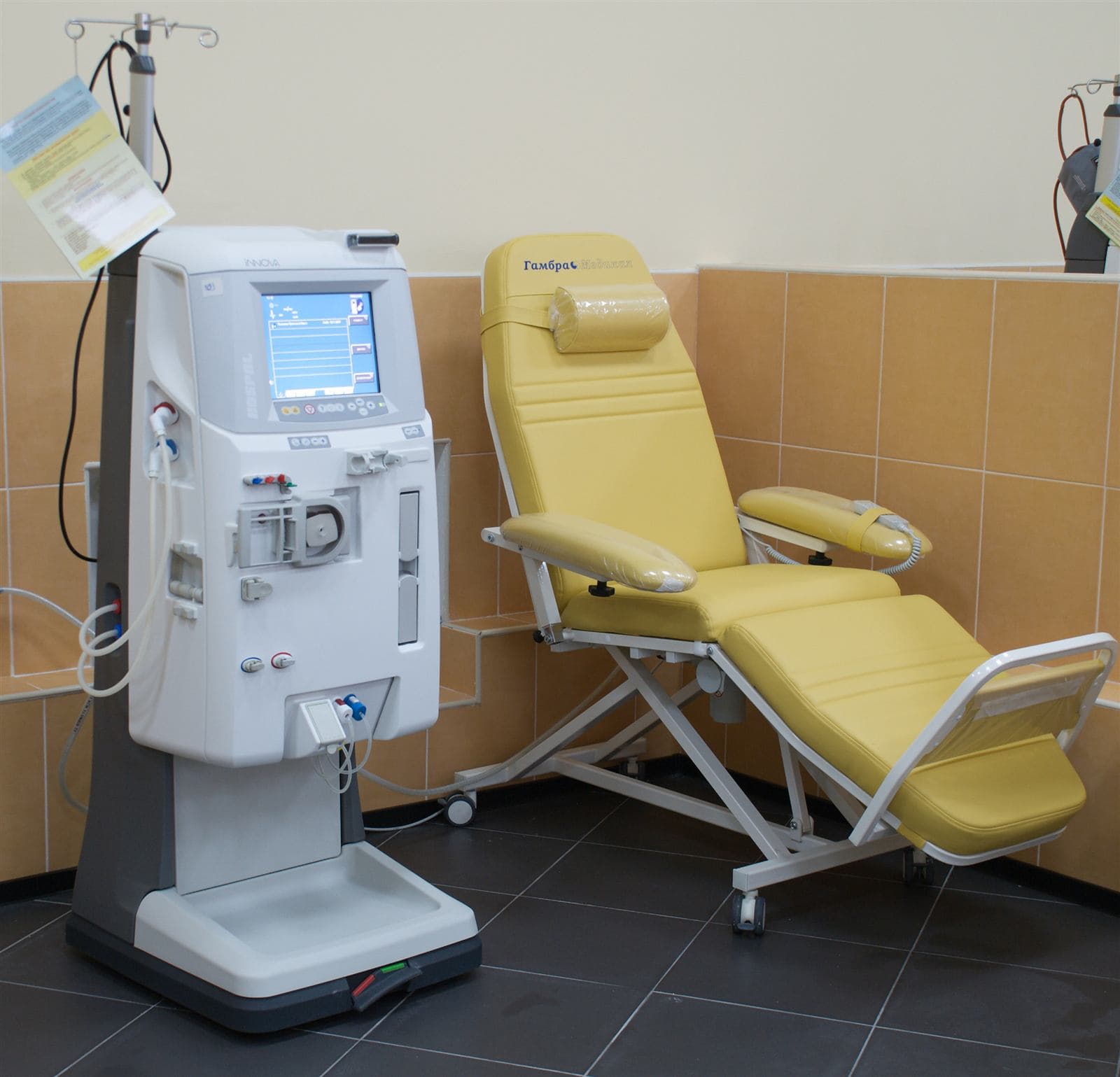
Dialysis units in many countries restructured how they operate specifically in response to the elevated risk documented in this patient group, introducing separate treatment areas or dedicated time slots for patients with confirmed or suspected COVID-19, enhanced cleaning protocols between sessions and closer symptom screening before patients enter shared treatment spaces. These changes reflect a genuine, sustained recognition that dialysis settings carry a particular transmission risk given how frequently and closely patients need to attend, rather than a temporary measure that's since been fully rolled back.
Advertisement
For patients travelling or needing dialysis away from their usual unit, whether relocating temporarily or travelling internationally, it's worth being aware that infection control protocols and any COVID-19-related entry requirements can vary meaningfully between countries and even between individual units, so confirming in advance with the receiving unit remains sensible practice.
Global disparities in dialysis access and outcomes
The elevated risk documented in kidney patients hasn't played out identically everywhere. Access to dialysis itself varies enormously between countries and even between regions within the same country and in settings where dialysis capacity was already stretched before the pandemic, the added strain of managing COVID-19 alongside routine treatment schedules made an already difficult situation harder still. Researchers have noted that outcomes for kidney patients during the pandemic were shaped almost as much by local healthcare infrastructure and resourcing as by the biological risk factors themselves, which is part of why international comparisons in this area need to be read carefully rather than assumed to reflect biology alone.
This matters beyond the historical record too, since kidney disease remains a growing global health burden independent of COVID-19 and the infrastructure gaps exposed during the pandemic are relevant to how prepared different healthcare systems are for future infectious disease pressures on this patient group.
A quick recap
People with chronic kidney disease and particularly those on dialysis, face substantially higher rates of COVID-19 hospitalisation and death than the general population, driven by a combination of altered immune function, increased healthcare exposure and, often, coexisting conditions like diabetes or cardiovascular disease. Vaccination, proactive symptom monitoring and early access to antiviral treatment where eligible all remain important protective steps for this group.
Frequently asked questions
Are kidney transplant recipients at the same risk as dialysis patients?
Kidney transplant recipients face their own elevated risk profile, largely driven by the immunosuppressive medication needed to prevent organ rejection, which is a somewhat different mechanism to the risk seen in dialysis patients, though both groups are considered high-risk.
Should dialysis sessions be missed if you have COVID-19 symptoms?
No, missing dialysis is generally more immediately dangerous than attending with appropriate precautions; dialysis units have protocols for treating infectious patients safely rather than expecting sessions to be skipped.
Does earlier-stage CKD carry the same risk as later stages?
Risk generally increases with CKD severity, with Stage 5 and dialysis patients facing the clearest elevated risk, though earlier-stage CKD has also been associated with somewhat increased risk compared with no kidney disease at all.
Can COVID-19 itself cause kidney damage in people without prior kidney disease?
Yes, acute kidney injury has been documented as a complication of severe COVID-19 even in people without pre-existing kidney disease and some research has suggested a possible link between COVID-19 infection and later development of chronic kidney disease.
Are kidney patients eligible for COVID-19 antiviral treatment?
Chronic kidney disease at more advanced stages is generally included among the high-risk conditions that qualify for antiviral treatment assessment, though eligibility criteria vary by country, so checking with your renal team or local health service is the best way to confirm.
Advertisement