Testing Negative for COVID-19 But Still Have Symptoms? Here's Why
Advertisement
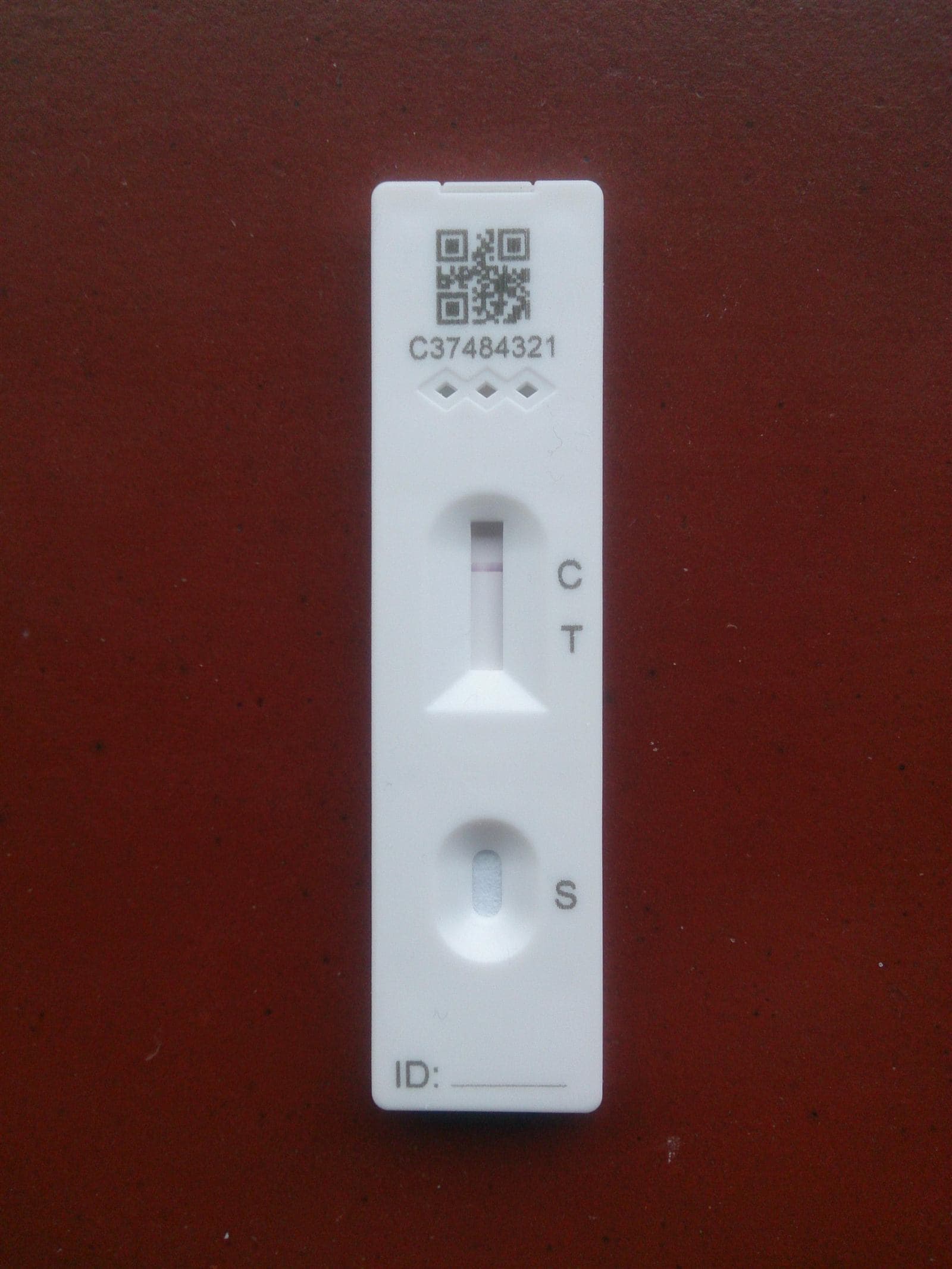
You've got a sore throat, a cough and general fatigue that feels suspiciously like COVID-19, but your rapid test comes back negative. Before you rule the virus out entirely, it's worth understanding just how often this exact scenario happens and why.
How accurate are rapid lateral flow tests really?
Lateral flow devices generally have high specificity, meaning they rarely give a false positive, typically above 99%. Sensitivity, meaning how reliably they detect a genuine infection, is considerably lower and more variable and can miss up to around half of positive cases in people without symptoms, largely because these tests are much better at detecting infection when viral load is high than when it's still building up.
Why timing matters so much
The most common reason for a false negative is testing too early in the course of infection, before viral load in your nose or throat has risen high enough for the test to detect it reliably. This is precisely why official guidance consistently recommends repeat testing rather than treating a single negative result as definitive, particularly if you have symptoms or a known exposure that makes infection genuinely plausible.
What official guidance says about repeat testing
According to NHS England's lateral flow test guidance, a single negative result doesn't rule out infection, particularly early on and testing again after a period of time, especially if symptoms persist or worsen, gives a more reliable picture than relying on one test alone. A commonly recommended approach when symptomatic is to repeat testing over the following two to three days if the first result comes back negative but symptoms continue.
Does sample technique make a difference?
Yes, meaningfully. Sensitivity tends to be notably better when swabbing is performed carefully and correctly and lower when done less precisely, which is more likely to happen with unsupervised, at-home testing than in a clinical or laboratory setting. Following the instructions carefully, including how thoroughly you swab and for how long, genuinely affects how reliable your result is, rather than being a minor technicality.
Do false negatives happen more with newer variants?
This is a common concern whenever a new variant emerges, but current evidence generally suggests that rapid antigen tests remain reasonably effective at detecting newer variants, since these tests typically target a part of the virus that hasn't changed dramatically across most variants to date. That said, ongoing monitoring of test performance against newly emerging variants continues and checking current official guidance if you're specifically concerned about a particular variant is a sensible extra step.
Could it be a different illness entirely?
Genuinely, yes. COVID-19 symptoms overlap heavily with numerous other respiratory illnesses, including the common cold, flu and various other seasonal viruses and a negative COVID-19 test combined with genuine symptoms could simply mean you have one of these other illnesses rather than a false negative at all. There's no reliable way to distinguish these based on symptoms alone, which is part of why testing and repeat testing where appropriate, remains useful even though it isn't perfect.
When a PCR test might be the better option
PCR tests are generally more sensitive than rapid lateral flow tests, since they work by amplifying genetic material rather than directly detecting viral protein, which allows them to detect much smaller amounts of virus. If you've had repeated negative rapid tests despite persistent, suggestive symptoms, or you're in a situation where a definitive result genuinely matters, such as before visiting someone at high risk, asking about PCR testing availability is worth considering where it's accessible to you.
Should a negative test change your behaviour?
Given how imperfect rapid tests can be, particularly early in an infection, treating a negative result as a green light to abandon all caution while you still have clear symptoms isn't the safest interpretation of the evidence. A more balanced approach involves taking your symptoms seriously regardless of a single negative result, being reasonably cautious around people at higher risk until you're clearly improving and repeating testing as guidance suggests, rather than treating one negative test as the final word.
Advertisement
Practical steps if you keep testing negative
If you've tested multiple times over several days with consistent negative results but your symptoms are ongoing or worsening, it's reasonable to consider that something other than COVID-19 might be responsible and seeking medical advice, particularly if symptoms are significant or not improving, is a sensible next step rather than continuing to test indefinitely on your own.
How this affects decisions around visiting vulnerable people
Understanding the real limits of a negative test matters most when the stakes are higher than your own personal comfort, such as deciding whether it's safe to visit an elderly relative, a newborn baby or someone who's immunocompromised. In these situations, a single negative test taken shortly after symptoms began shouldn't be treated as full reassurance and building in a short delay before visiting, alongside repeat testing closer to the visit itself, gives a more genuinely reliable picture than testing once and proceeding immediately. This extra layer of caution costs little but meaningfully reduces the chance of a false negative leading to unintended exposure for someone at higher risk and it's a habit worth building into your own routine well before you actually need it, rather than trying to work out the safest approach in the moment. Some families find it helpful to agree on a simple, standing plan in advance, covering how many days of testing feel appropriate before a visit to a particularly vulnerable relative, so that the decision doesn't need to be made from scratch and under time pressure, every single time an important visit comes up unexpectedly at short notice.
A quick recap
Rapid lateral flow tests can miss genuine infections, particularly early on or when swabbing technique isn't ideal, which is why official NHS guidance recommends repeat testing rather than treating a single negative result as definitive when you have symptoms. If repeated tests stay negative while symptoms persist, a PCR test or medical advice can help clarify what's actually going on.
Frequently asked questions
How many days apart should I repeat a COVID-19 test if the first is negative?
Official guidance generally suggests retesting over the following two to three days if symptoms persist after an initial negative result, since sensitivity improves as viral load rises.
Is a PCR test always more accurate than a rapid test?
PCR tests are generally more sensitive and can detect smaller amounts of virus, though rapid tests remain useful for their speed and convenience, particularly when repeated appropriately.
Can a false negative happen even with a high viral load?
It's less likely but not impossible, since factors like sample collection technique and individual test performance can still affect results even when viral load is relatively high.
Should I isolate if I have symptoms but test negative?
Given how common false negatives can be early in infection, treating ongoing symptoms with reasonable caution around others, particularly those at higher risk, is a sensible approach regardless of a single negative result.
Do all brands of rapid COVID-19 test have similar accuracy?
No, sensitivity has varied between different manufacturers in official evaluations, though tests that pass regulatory evaluation generally meet a baseline standard of performance.
Advertisement