COVID-19 Eye Symptoms: Conjunctivitis and Pink Eye Explained
Advertisement
Most people associate COVID-19 with a cough, fever or loss of smell, so it can come as a surprise that eye symptoms are sometimes linked to the virus too. Conjunctivitis, commonly called pink eye, has been documented in a minority of COVID-19 cases and it's worth understanding what that connection actually looks like.
How common is conjunctivitis in COVID-19?
Estimates vary between studies, but doctors generally believe somewhere between 1% and 3% of people with COVID-19 develop conjunctivitis at some point during their illness. That makes it a genuinely uncommon symptom rather than a typical one, which is part of why it doesn't feature on the core, most-recognised symptom lists in the way that cough or fever do.
What eye symptoms actually look like
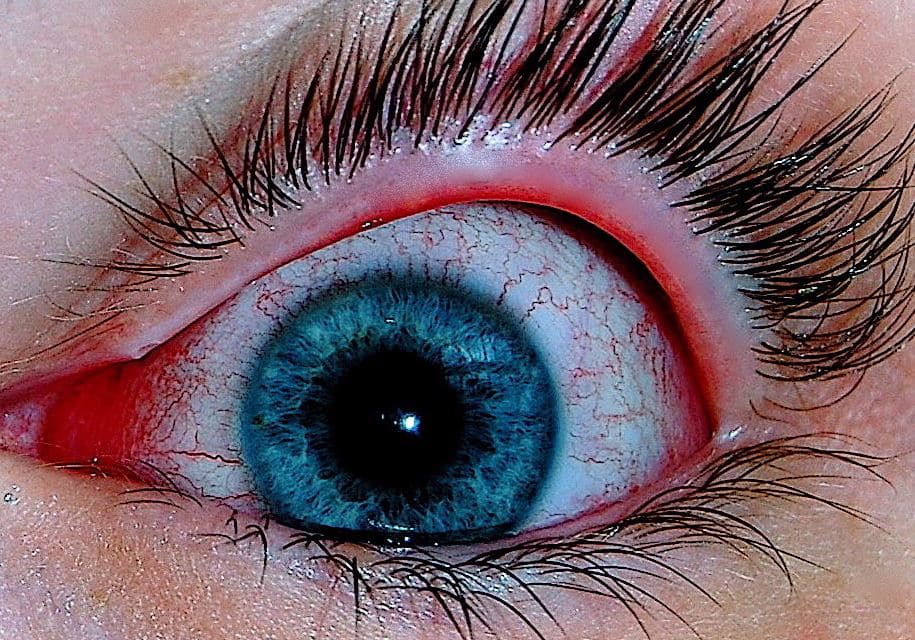
COVID-19-related conjunctivitis happens when the virus affects the conjunctiva, the thin, clear tissue covering the white part of the eye and the inside of the eyelids. Symptoms typically include redness, swelling, itchiness, a watery or discharge-like secretion and sometimes a gritty or foreign-body sensation, similar to how conjunctivitis from other causes typically presents.
Does having pink eye mean you have COVID-19?
Not necessarily and this is an important point. Conjunctivitis has many possible causes beyond COVID-19, including other viruses, bacterial infections, allergens and chemical irritants and these remain far more common explanations for red or itchy eyes than COVID-19 specifically. If you develop pink eye without other COVID-19 symptoms like fever, cough or fatigue, a different cause is considerably more likely.
Who tends to get eye symptoms with COVID-19?
Research has suggested that eye symptoms are reported more frequently among people who had more severe COVID-19 illness, often alongside pneumonia, rather than being evenly spread across mild and severe cases. This pattern, where a symptom clusters with greater overall severity, is consistent with several other less common COVID-19 symptoms and suggests eye involvement may reflect a broader, more significant immune or inflammatory response in these cases.
Can COVID-19 spread through the eyes?
The conjunctiva is thought to be one possible route through which the virus can enter the body, alongside the more commonly discussed respiratory routes through the nose and mouth. This is part of why avoiding touching or rubbing your eyes, particularly with unwashed hands, has featured in general infection-control advice throughout the pandemic, not just for COVID-19 but for reducing the spread of other eye infections too.
Recognised symptoms according to the CDC
The CDC's official symptom list for COVID-19 covers the most common presentations, including fever or chills, cough, shortness of breath, sore throat, congestion, loss of taste or smell, fatigue, body aches, headache, nausea and diarrhoea. Conjunctivitis and other eye symptoms aren't among this core list, reflecting how much less common they are, though the CDC and clinical researchers have documented them as an associated, if less typical, presentation in a meaningful body of case reports and studies.
Should you get tested if you only have eye symptoms?
If conjunctivitis is your only symptom, with no fever, cough, fatigue or other more typical COVID-19 signs, a non-COVID-19 cause is statistically more likely and it's reasonable to treat it as ordinary pink eye initially. That said, if you've had recent close contact with someone who has COVID-19, or you develop other symptoms alongside the eye irritation, testing is a sensible way to rule the virus in or out rather than guessing.
How to manage COVID-19-related eye symptoms
General conjunctivitis care applies here too: avoid touching or rubbing your eyes, wash your hands frequently and thoroughly, avoid sharing towels, pillowcases or washcloths with others in your household and wash these items regularly while symptoms persist. Cool compresses can help ease discomfort and if symptoms are severe, persistent or affecting your vision, seeing a doctor or an eye care professional for proper assessment is the right next step rather than assuming it will resolve on its own.
When eye symptoms need urgent attention
Most conjunctivitis, whether linked to COVID-19 or another cause, resolves without serious complications, but certain signs warrant more urgent medical attention: significant eye pain, sensitivity to light, blurred vision that doesn't clear or symptoms affecting only one eye severely while the other remains unaffected. These aren't typical of straightforward conjunctivitis and deserve a proper clinical assessment rather than being managed at home.
Advertisement
How eye symptoms fit into the wider picture of COVID-19 variants
As COVID-19 has continued to evolve through successive variants, researchers have kept tracking whether the balance of reported symptoms shifts over time, including less common ones like eye involvement. There isn't strong evidence that any single variant has been dramatically more or less likely to cause conjunctivitis specifically and the roughly 1% to 3% estimate has remained a reasonably consistent figure across the studies conducted since eye symptoms were first documented in 2020.
This consistency is itself useful information, since it suggests eye symptoms reflect something relatively stable about how SARS-CoV-2 interacts with the conjunctiva, rather than being a feature tied to one particular strain of the virus that might disappear as new variants become dominant.
Talking to your doctor about eye symptoms
If you're unsure whether your eye symptoms are worth mentioning during a medical consultation, it's generally worth raising them regardless, particularly alongside other COVID-19 symptoms, since a fuller picture helps a doctor reach an accurate assessment more quickly. Eye symptoms are easy to dismiss as unrelated or minor compared with more prominent respiratory symptoms, but including them in how you describe your overall illness gives whoever is assessing you more complete, useful information to work with, rather than a partial picture that leaves out a genuinely relevant detail.
A quick recap
Conjunctivitis affects a small minority of people with COVID-19, generally somewhere between 1% and 3% and tends to be reported more often alongside more severe illness. It isn't part of the CDC's core symptom list and if it's your only symptom, another cause is more likely, though testing is worthwhile if you've had close contact with someone infected or develop other typical COVID-19 symptoms alongside it.
Frequently asked questions
Can COVID-19 cause permanent eye damage?
Conjunctivitis linked to COVID-19 generally resolves without lasting damage, similar to conjunctivitis from other common causes, though any severe or persistent eye symptoms should be assessed by a doctor.
Is pink eye contagious in the same way as COVID-19?
Conjunctivitis itself, regardless of cause, can spread through contact with eye secretions or contaminated surfaces, so good hand hygiene and avoiding shared towels remain sensible precautions alongside any COVID-19-specific measures.
Should I wear contact lenses if I have COVID-19-related eye symptoms?
Switching to glasses temporarily is generally recommended while eyes are irritated or infected, since contact lenses can worsen irritation and potentially increase the risk of complications.
Do children get COVID-19 eye symptoms more than adults?
There isn't strong evidence that eye symptoms are more common in children specifically, though conjunctivitis from any cause is relatively common in childhood generally, which can make the specific link to COVID-19 harder to pin down in younger age groups.
Can eye drops treat COVID-19-related conjunctivitis?
Over-the-counter lubricating eye drops can help ease discomfort, but there's no specific antiviral eye treatment for COVID-19-related conjunctivitis, so management generally focuses on comfort and hygiene while it resolves on its own.
Advertisement