COVID-19 and Stomach Symptoms: Nausea, Diarrhoea and More
Advertisement
COVID-19 is widely known as a respiratory illness, but for a substantial number of people, some of the earliest or most prominent symptoms show up in the digestive system rather than the lungs. Understanding this connection can help you make sense of an illness that doesn't always follow the expected script.
How common are digestive symptoms?
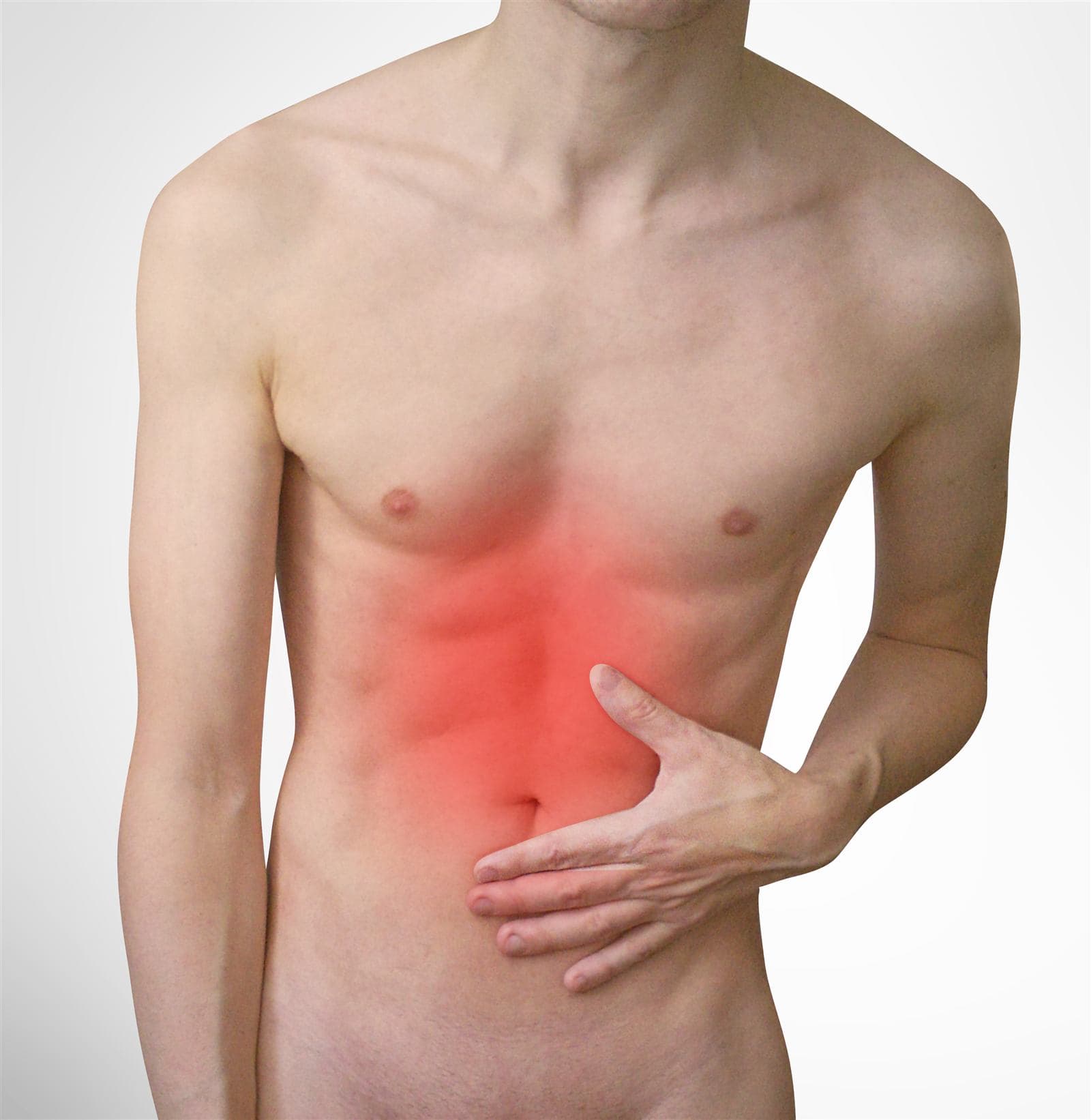
Research conducted during the pandemic found that roughly half of people with COVID-19 experienced some form of gastrointestinal symptom, including nausea, vomiting, diarrhoea or abdominal pain. That's a strikingly high proportion for symptoms that don't always get top billing in general COVID-19 awareness, which tends to focus more heavily on cough, fever and loss of smell.
Can stomach symptoms appear before other signs?
Yes and this is one of the more clinically important points about COVID-19's digestive symptoms. In some cases, gastrointestinal symptoms appear before respiratory symptoms develop, or even occur entirely on their own without any cough or fever at all. This can make COVID-19 easy to mistake for food poisoning or a general stomach bug, particularly if you haven't had any known exposure to someone with confirmed COVID-19.
Why does COVID-19 cause digestive symptoms?
The mechanism relates to how the virus interacts with the gut itself. When SARS-CoV-2 attaches to specific receptors present in the digestive tract, it triggers the release of inflammatory chemicals that can damage the protective lining around the stomach, oesophagus and small intestine. This inflammatory damage is what's thought to produce symptoms like nausea, vomiting and diarrhoea, in much the same way that inflammation in the lungs produces the more familiar respiratory symptoms.
Does this affect how long the virus stays in your body?
Interestingly, people who develop digestive symptoms are more likely to test positive for the virus in stool samples and research has found they tend to take longer to clear the virus from their bodies compared with people who don't have gastrointestinal symptoms. This doesn't necessarily mean their overall illness is worse, but it does suggest the digestive tract can become a more prolonged site of viral activity in some cases.
How severe can COVID-19-related diarrhoea get?
For most people, diarrhoea linked to COVID-19 is mild to moderate and resolves without needing specific medical treatment. That said, it can become severe enough in some cases to cause dehydration, particularly if it's prolonged or combined with reduced fluid intake due to feeling generally unwell. Staying on top of fluid intake during this period matters more than it might for a milder, shorter-lived stomach upset.
Official recognition of digestive symptoms
Nausea and diarrhoea are included in the CDC's official list of COVID-19 symptoms, alongside more familiar signs like fever, cough and fatigue. This reflects how well established the connection between COVID-19 and digestive symptoms has become since the earlier days of the pandemic, when the illness was more narrowly understood as purely respiratory.
Managing digestive symptoms at home
If you're experiencing nausea, vomiting or diarrhoea alongside COVID-19, the general advice mirrors how you'd manage these symptoms from any cause: prioritise fluids, particularly water and oral rehydration solutions if diarrhoea is significant, eat plain, easily digestible foods as tolerated rather than forcing a full meal and rest as much as possible while your body deals with the infection. Over-the-counter remedies for nausea or diarrhoea can help with comfort, though checking with a pharmacist about interactions with any other medication you're taking is sensible.
When digestive symptoms need medical attention
Most COVID-19-related digestive symptoms resolve on their own within several days, but certain signs warrant medical attention rather than home management alone: signs of significant dehydration such as reduced urination or dizziness, blood in vomit or stool, severe or worsening abdominal pain, or an inability to keep any fluids down for an extended period. These aren't typical of straightforward COVID-19-related digestive upset and deserve proper assessment.
Could it be something else instead?
Because digestive symptoms overlap so heavily with other common causes, including norovirus, food poisoning and other viral gastroenteritis, it's not always obvious that COVID-19 is behind a stomach upset unless you test or develop other more typical symptoms alongside it. If you've had a known exposure to someone with COVID-19, or your digestive symptoms are accompanied by fatigue, headache or loss of taste or smell, testing can help clarify what you're actually dealing with.
Advertisement
Why this symptom overlap matters for diagnosis
Because digestive symptoms are so common across many different illnesses, doctors and researchers have had to think carefully about how much weight to give them when trying to distinguish COVID-19 from other conditions during a consultation. In practice, digestive symptoms alone are rarely enough to reach a confident diagnosis either way, which is why testing remains the most reliable method whenever there's genuine uncertainty about the cause of a stomach upset, rather than relying on symptom pattern alone.
This is also part of why public health messaging around COVID-19 symptoms has broadened considerably since the early pandemic, when the illness was described almost exclusively in respiratory terms. A more complete picture that includes digestive symptoms helps people recognise a wider range of presentations and seek testing or advice appropriately, rather than dismissing a stomach bug as unrelated to COVID-19 by default.
Digestive symptoms and long COVID
For a smaller group of people, digestive symptoms don't resolve alongside the rest of the illness but instead persist for weeks or months afterwards, as part of the broader pattern of long COVID. Ongoing nausea, altered appetite or changes in bowel habits have been reported by some people well after their initial infection has cleared, though this appears considerably less common than persistent fatigue or brain fog within the long COVID population overall. If digestive symptoms are lingering well beyond the typical recovery window, mentioning this specifically to a doctor, rather than assuming it will simply pass, is worthwhile.
A quick recap
Digestive symptoms including nausea, vomiting, diarrhoea and abdominal pain affect a large share of people with COVID-19 and can sometimes appear before, or entirely without, the more familiar respiratory symptoms. Staying well hydrated and resting are the main practical steps for most people, though significant dehydration, blood in vomit or stool, or severe abdominal pain warrant proper medical attention rather than home management alone.
Sudden vomiting and diarrhoea in winter are far more often norovirus than COVID-19. The rules on how long you stay infectious are quite different, so it is worth knowing which you are dealing with.
Frequently asked questions
Can COVID-19 cause only stomach symptoms with no respiratory symptoms at all?
Yes, in some cases digestive symptoms occur entirely on their own without any cough, fever or other respiratory signs developing, which can make COVID-19 easy to mistake for a different stomach illness.
How long do COVID-19-related digestive symptoms usually last?
Most people see improvement within several days, similar to the general course of the illness, though the exact duration varies from person to person depending on overall severity.
Should I take anti-diarrhoeal medication if I have COVID-19?
Over-the-counter anti-diarrhoeal medication can help with comfort in mild cases, but checking with a pharmacist first is sensible, particularly if symptoms are severe or you're taking other medication.
Are children more likely to get digestive symptoms from COVID-19?
Digestive symptoms including nausea, vomiting and abdominal pain have been commonly reported in children with COVID-19, sometimes more prominently than respiratory symptoms, similar to the pattern seen in some adults.
Does having digestive symptoms mean my COVID-19 is more severe?
Not necessarily, though people with digestive symptoms have been found to take somewhat longer to clear the virus, which doesn't automatically mean their overall illness will be more severe.
Advertisement