COVID-19 and Cancer: Guidance for Patients on Chemotherapy
Advertisement
If you or someone you love is undergoing cancer treatment, COVID-19 carries a genuinely different risk profile than it does for the general population. Understanding why and what practical steps actually help, matters more for this group than for almost any other.
Why cancer patients face higher COVID-19 risk
Cancer patients are considered immunocompromised for two related reasons: the malignancy itself can affect immune function and many cancer treatments, chemotherapy in particular, are specifically designed to suppress rapidly dividing cells, which includes immune cells alongside cancer cells. This combination means the body's ability to mount an effective defence against a new infection like COVID-19 is often meaningfully reduced compared with someone without cancer.
How much higher is the actual risk?
Research has found that current treatment with chemotherapy or immunotherapy is associated with a substantially increased risk of testing positive for COVID-19 in the first place and a meta-analysis covering multiple studies found a notably higher risk of death among cancer patients on active chemotherapy compared with those not receiving chemotherapy at the time of infection. This doesn't mean severe outcomes are inevitable, but it does mean the baseline risk for this group is meaningfully different from the general population.
Does the type of cancer matter?
Yes and this is worth understanding if you're trying to gauge your own risk level. Patients with blood cancers, known as haematological malignancies and those with cancer that has spread to other parts of the body tend to be particularly susceptible to severe COVID-19 outcomes compared with some other cancer types. This reflects both the nature of these cancers themselves and, in the case of blood cancers, how directly they can affect the immune system's core components.
The specific risk of neutropenia
Chemotherapy can cause neutropenia, a drop in a specific type of white blood cell that plays a central role in fighting infection. Research has found that cancer patients who develop neutropenia face a higher mortality risk if they also contract COVID-19, which is part of why oncology teams pay particularly close attention to infection risk during periods when a patient's blood counts are known to be low following a round of treatment.
Should you delay chemotherapy because of COVID-19 risk?
This is a decision that needs to be made individually with your oncology team, weighing the risks of delaying cancer treatment against the risks posed by COVID-19 in your specific circumstances. Cancer itself carries serious risks if treatment is delayed unnecessarily and blanket decisions to postpone treatment purely out of COVID-19 caution aren't generally recommended without a specific clinical reason. Your oncology team is best placed to weigh these considerations together, rather than making this decision based on general COVID-19 guidance alone.
What vaccination guidance says for cancer patients
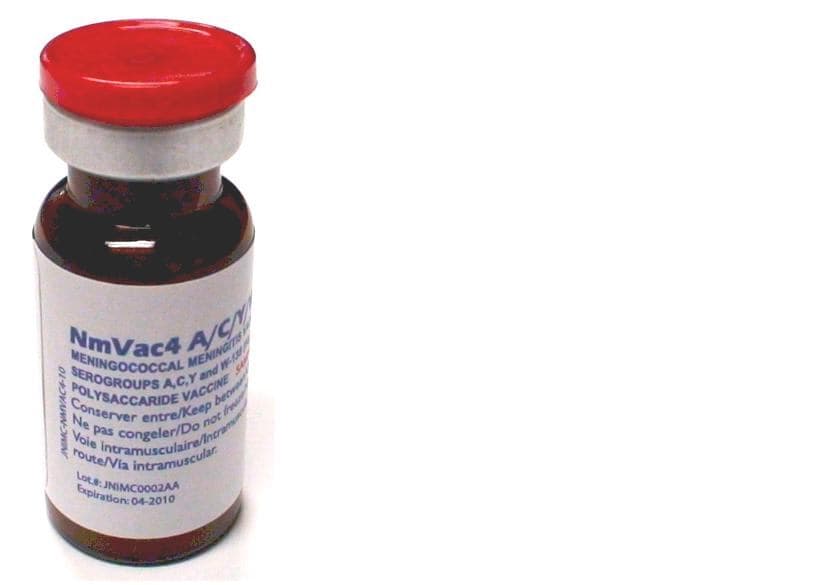
The CDC's guidance for immunocompromised people, which includes many cancer patients, recommends COVID-19 vaccination for everyone eligible, including those currently receiving cancer treatment, with vaccine schedules and additional dose recommendations tailored specifically to people who are moderately or severely immunocompromised. Vaccination generally shouldn't be delayed because of immunosuppressive treatment and current COVID-19 vaccines available in the UK and US aren't live-virus vaccines, meaning they can typically be given safely even during active treatment, though your own care team can advise on optimal timing relative to your treatment schedule.
Extra doses and boosters
Because immunocompromised people, including many cancer patients, often mount a weaker immune response to vaccination than the general population, guidance in several countries includes provision for additional vaccine doses beyond the standard schedule. Discussing your specific vaccination schedule with your oncology team, rather than assuming standard public guidance applies identically to your situation, helps ensure you're getting the level of protection appropriate to your circumstances.
Practical precautions during treatment
Beyond vaccination, sensible everyday precautions carry more weight for cancer patients than they might for the general population: being thoughtful about exposure in crowded indoor spaces, particularly around the time of chemotherapy cycles when your immune system is likely to be at its weakest, keeping close household contacts up to date with their own vaccinations and testing promptly and seeking guidance quickly if you develop symptoms, rather than waiting to see if they pass. Your oncology team can also advise on whether specific antiviral treatments would be appropriate if you do test positive, given your particular treatment and cancer type.
Advertisement
Family members and caregivers
If you're supporting someone going through cancer treatment, reducing your own risk of bringing an infection into their household matters more than it would in most other caregiving situations. Staying up to date with your own vaccinations, being cautious about attending gatherings while unwell yourself and testing before close contact during periods when the person you're caring for is particularly vulnerable, such as immediately after a chemotherapy cycle, are all reasonable, practical steps.
The emotional weight of navigating both conditions at once
It's worth acknowledging that managing COVID-19 risk on top of an existing cancer diagnosis adds a genuine emotional burden that goes beyond the practical precautions themselves. Many cancer patients describe feeling like they're constantly weighing risks that healthy friends and family simply don't have to think about, from whether it's safe to attend a family gathering to how cautious to be around visitors. This isn't something a checklist of precautions fully addresses and speaking with your cancer care team, a counsellor, or a cancer support charity about this wider psychological load, not just the clinical risk itself, is a reasonable and often genuinely helpful step. Many cancer support organisations have developed specific resources on navigating infection risk during treatment and connecting with others going through a similar experience can make the ongoing decision-making feel considerably less isolating.
A quick recap
Cancer patients, particularly those receiving chemotherapy, face a meaningfully higher risk of both catching COVID-19 and experiencing severe outcomes, driven by both the cancer itself and the immune-suppressing effects of many treatments. Vaccination remains strongly recommended and generally safe during treatment and decisions about delaying cancer treatment because of COVID-19 risk should be made individually with your oncology team rather than based on general guidance alone.
Frequently asked questions
Can cancer patients receive COVID-19 vaccines while on chemotherapy?
Yes, current COVID-19 vaccines aren't live-virus vaccines and vaccination is generally recommended to continue during treatment, though timing relative to your treatment cycle is worth discussing with your care team.
Are all cancer types equally high-risk for severe COVID-19?
No, blood cancers and cancers that have spread to other parts of the body have generally been associated with particularly elevated risk compared with some other cancer types.
Should chemotherapy be paused if a cancer patient catches COVID-19?
This depends on individual circumstances and should be decided with your oncology team, weighing the risks of delaying cancer treatment against the specific COVID-19 illness you're experiencing.
Are cancer patients eligible for COVID-19 antiviral treatments like Paxlovid?
Many cancer patients qualify as high-risk and may be eligible for antiviral treatment, though eligibility criteria vary, so checking current guidance or discussing this with your care team in advance is worthwhile.
Do cancer survivors who've finished treatment still face higher COVID-19 risk?
Risk generally decreases as immune function recovers after treatment ends, though the timeline varies by individual and treatment type, so discussing your specific situation with your oncology team gives the clearest picture.
Advertisement