How to Manage COVID-19 Symptoms at Home: A Practical Guide

Advertisement
The large majority of people who catch COVID-19 can manage their symptoms safely at home, without needing to see a doctor or attend hospital. Knowing some practical steps for easing symptoms and recognising when home care isn't enough, can make the experience considerably more manageable.
Rest and fluids
Rest remains one of the most important things you can do while your body fights off any viral infection, including COVID-19. Avoid pushing through strenuous activity, particularly in the first few days and allow yourself extra sleep if you need it. Staying well hydrated, with water, herbal teas or diluted squash, helps support your body's recovery and can ease some symptoms, including a sore throat and headache.
Managing fever and aches
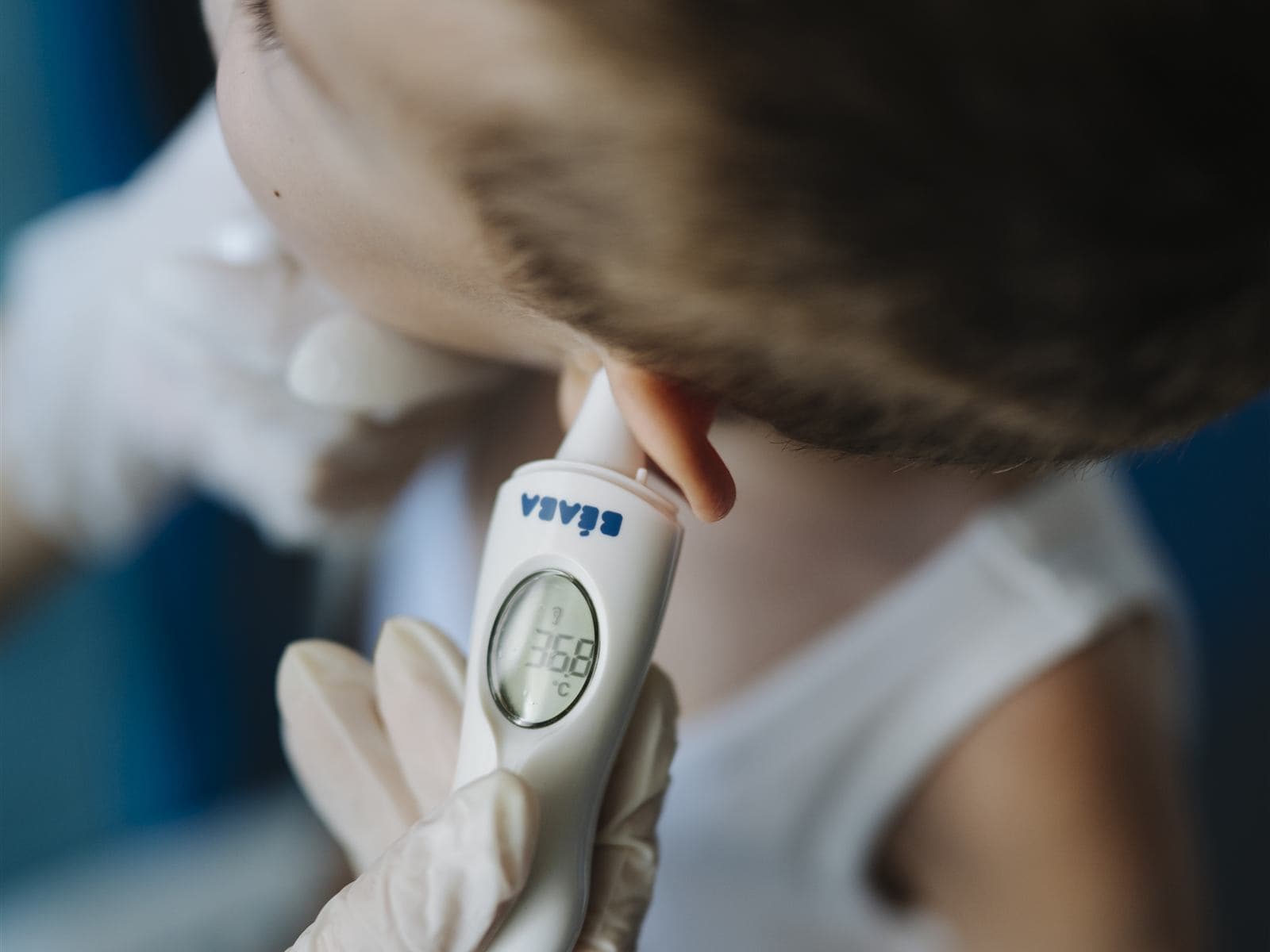
Over-the-counter medication such as paracetamol or ibuprofen can help reduce fever and ease muscle aches and headaches, taken according to the packet instructions. Staying in loose, comfortable clothing and keeping your room at a comfortable temperature, rather than overly warm, can also help you manage a fever more comfortably. Monitoring your temperature periodically can help you notice if a fever is worsening or failing to settle over several days.
Easing a cough and congestion
A warm drink with honey and lemon, steam inhalation and staying upright rather than lying flat can all help ease a cough and nasal congestion. Over-the-counter cough remedies and decongestants may also provide some relief for adults, though it's worth checking they're suitable if you're pregnant, have other health conditions, or are taking other medication and always following the guidance for children's specific age-appropriate products if treating a child.
Looking after your mental wellbeing
Being unwell and isolated from normal activities, even briefly, can affect your mood and mental wellbeing. Staying in gentle contact with friends and family by phone or video call, keeping a normal sleep routine where possible and being patient with your recovery rather than expecting to bounce back immediately, can all help make the experience more manageable, particularly if your illness lasts longer than expected.
Monitoring for worsening symptoms
While most people improve steadily, it's worth keeping an eye out for signs that things are heading in the wrong direction, including:
- Breathlessness that's getting worse rather than better
- A fever that persists beyond a few days despite medication
- Chest pain or pressure
- Feeling confused or unusually drowsy
- Symptoms that seem to improve and then suddenly worsen again
Any of these warrant contacting NHS 111 or your GP promptly and severe breathing difficulty or chest pain warrants emergency care.
When home care isn't enough
Certain groups, including older adults, pregnant women and people with weakened immune systems or significant underlying health conditions, should generally have a lower threshold for seeking medical advice if they develop COVID-19, since they're more likely to benefit from closer monitoring or specific treatment such as antivirals. If you're unsure whether your symptoms need medical attention, NHS 111 can offer guidance suited to your specific situation.
Frequently asked questions
How long should I expect to feel unwell?
Most people recover within one to two weeks, though tiredness can sometimes take a little longer to fully resolve than other symptoms.
Can I exercise while recovering from COVID-19?
General advice is to avoid strenuous exercise while you have symptoms and to return to activity gradually as you start to feel better, rather than resuming intense exercise immediately once symptoms ease.
Advertisement
Should I keep taking medication once I start to feel better?
You can generally stop symptom-relief medication such as paracetamol once you no longer need it for fever or pain. If you've been prescribed a specific course of treatment, such as antivirals, it's important to complete it as directed unless your doctor advises otherwise.
Is it safe to take paracetamol and ibuprofen together?
Both can generally be taken together or alternated if needed, following the dosing instructions for each and not exceeding the maximum recommended dose of either, though it's worth checking with a pharmacist if you're also taking other regular medication.
Should I use a pulse oximeter to monitor myself at home?
Some people, particularly those in higher-risk groups, find a pulse oximeter useful for monitoring oxygen levels at home, though it isn't a requirement for everyone. If you're concerned about your breathing, contacting NHS 111 or seeking medical advice directly is more important than relying solely on a home device.
Setting up a comfortable recovery space
If possible, having a comfortable, well-ventilated space to rest in, with easy access to water, tissues and any medication you need, can make managing symptoms at home considerably easier, particularly in the first few days when you may feel at your worst. Keeping a thermometer, basic pain relief and rehydration supplies at home before you're unwell means you're not scrambling to get essentials while feeling ill.
Caring for someone else with COVID-19
If you're caring for a partner, family member or housemate with COVID-19, practical steps such as leaving food and drinks outside their door where isolation is being maintained, washing your hands thoroughly after contact and keeping shared spaces well ventilated can help reduce your own risk of catching it. Checking in regularly, particularly with anyone in a higher-risk group, helps ensure any worsening symptoms are noticed and acted on promptly.
Diet and nutrition while unwell
Appetite often drops during a COVID-19 infection and that's generally nothing to worry about over a short illness, provided you keep drinking fluids regularly. Light, easily digestible foods such as soup, toast or plain rice are often better tolerated than heavier meals in the first few days. If a poor appetite continues well beyond the acute phase of illness, or is accompanied by noticeable weight loss, it's worth mentioning to a GP.
Returning to normal activity gradually
Once symptoms have started to settle, easing back into normal activity gradually, rather than resuming full exercise or a demanding schedule immediately, tends to support a smoother recovery. Pushing too hard too soon after a respiratory infection can sometimes prolong fatigue or trigger a relapse in symptoms, so building activity back up in stages over several days and paying attention to how your body responds, is generally a sensible approach.
When home management isn't enough
Most COVID-19 cases can be managed comfortably at home with rest, fluids and basic symptom relief, but it's worth remembering that home care isn't appropriate for everyone in every situation. If you're at all unsure whether your symptoms, or those of someone you're caring for, need medical attention, NHS 111 is available for advice and can direct you to the right level of care, whether that's continued home management or something more urgent.
A quick recap
Most people can manage COVID-19 comfortably at home with rest, fluids and over-the-counter medication for fever and aches. Keep an eye out for warning signs such as breathing difficulty or symptoms that worsen rather than improve and don't hesitate to contact NHS 111 if you're ever unsure whether home care is still the right approach.
A note on rest
It can be tempting to keep working or stay connected to daily responsibilities even while unwell, particularly for those managing busy households or jobs. Genuine rest, rather than simply reducing activity slightly, tends to support a quicker, smoother recovery and giving yourself permission to properly stop for a few days is often the most underrated piece of home care advice there is.
Advertisement