Nasal COVID-19 Vaccines: How They Work and Availability
Advertisement
Most people picture a needle in the arm when they think of a COVID-19 vaccine, but an entirely different delivery method, through the nose or by inhalation, has been in development for years and is already approved in a couple of major countries. Here's how these vaccines actually work and where things currently stand.
The basic idea behind nasal vaccines
Nasal and inhaled vaccines aim to generate an immune response directly in the respiratory tract, the exact location where SARS-CoV-2 first enters the body. The nasal cavity has its own specialised set of immune cells that activate immediately when they detect a vaccine, potentially offering a first line of defence right at the point of entry, rather than relying solely on the broader, bloodstream-based immune response that injected vaccines primarily trigger.
Which nasal vaccines have actually been approved
Two nasal or inhaled COVID-19 vaccines received approval in September 2022, both in major countries with large populations. In China, CanSinoBIO's inhaled vaccine, Convidecia Air, was approved as a booster dose by the National Medical Products Administration. It's delivered through the mouth using a nebuliser, similar to how asthma medication is administered and its developers noted it requires only around a fifth of the dose used in the injected version. In India, Bharat Biotech's iNCOVACC received approval for restricted emergency use as a booster for people who'd already completed two doses of an injected vaccine, delivered as drops in each nostril.
How these differ from a typical nasal spray
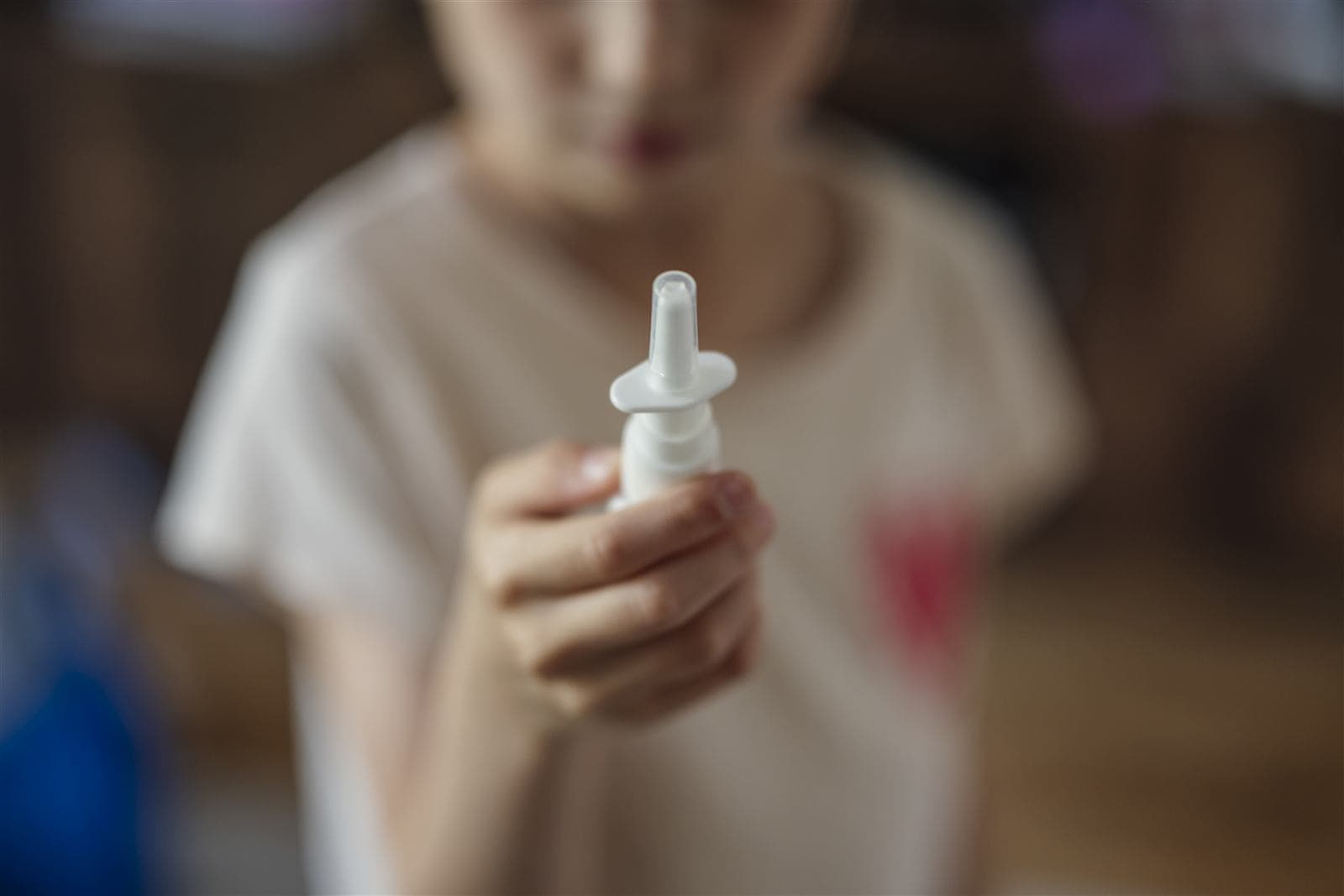
iNCOVACC involves administering vaccine drops into each nostril, while Convidecia Air is technically inhaled through the mouth via a nebuliser device rather than sprayed into the nose, despite both being grouped together as "nasal" or mucosal vaccines in general discussion. Both approaches share the same underlying goal: triggering an immune response at the respiratory mucosa rather than through a muscular injection.
What potential advantages they offer
Beyond the appeal of avoiding a needle, researchers have suggested mucosal vaccines could offer better protection against transmission specifically, since generating immunity right where the virus enters may reduce how much virus a vaccinated person sheds if they do become infected, something injected vaccines have shown more limited ability to do. The World Health Organization has published target product profiles for mucosal COVID-19 vaccines, acknowledging they could help with broader COVID-19 control efforts for this reason, alongside practical advantages like easier administration in some settings.
How the WHO is guiding this area of research
Rather than approving any single mucosal vaccine itself, the WHO's role has largely been to set out the standards a nasal or inhaled vaccine candidate should meet before it can be considered a genuine improvement on injected options, covering things like how researchers should measure mucosal immunity, what level of protection against transmission would count as meaningful and how safety should be assessed for a route of administration with less historical data than injections. That kind of guidance matters because it gives vaccine developers in different countries a shared benchmark to work towards, rather than each regulator inventing its own criteria from scratch and it's part of why comparing results between the Chinese, Indian and various earlier-stage Western candidates is more meaningful than it might otherwise be.
Several other candidates remain in clinical trials in various countries beyond the two already approved, though none had reached approval as of 2026. Progress in this area tends to be gradual and is worth checking back on periodically if it's relevant to you, rather than expecting a sudden widespread rollout.
Are nasal vaccines available in the UK, US or Europe?
Not currently. As of 2026, nasal and inhaled COVID-19 vaccines remain in earlier clinical development stages in the UK, United States and across most of Europe, despite the approvals already granted in China and India. Development and trials for various mucosal vaccine candidates have continued since at least 2020, with additional government research funding announced in some countries, but none have yet reached approval in these regions.
Why approval has taken longer elsewhere
Regulatory pathways and evidence requirements vary between countries and the emergency-use style approvals granted in China and India reflect each country's own regulatory framework and pandemic-era decision-making at the time. Agencies in the UK, US and EU have generally required more extensive trial data before approval, which is part of why development for equivalent products in these regions has taken longer to reach the same stage.
Advertisement
Should you seek out a nasal vaccine if you're eligible for a booster now?
If you're in a country where only injected vaccines are currently approved and available, waiting for a nasal option isn't a good reason to delay an eligible booster dose, since the injected vaccines have a substantially longer track record and clear, well-established protection against severe illness. Nasal vaccines remain a genuinely promising area of ongoing research rather than a proven, widely available alternative at this stage outside the countries where they're already approved.
What real-world data from China and India has shown so far
Because both approved nasal and inhaled vaccines have now been in use as boosters for a few years, some real-world usage data has accumulated alongside the original trial results, though comprehensive long-term comparative studies against injected boosters remain more limited than researchers would ideally like. Early indications from their use as booster doses have generally been consistent with the safety and immune-response profiles seen in the original approval trials, without major new safety signals emerging, though this remains an active area of ongoing monitoring by the relevant health authorities in both countries.
Researchers elsewhere have been watching this real-world experience closely, since data from millions of booster doses administered outside a formal trial setting can reveal things that smaller clinical trials sometimes miss and it's likely to inform how regulators in the UK, US and Europe eventually evaluate any equivalent candidates that reach a similar stage of development in those regions.
A quick recap
Nasal and inhaled COVID-19 vaccines aim to trigger immunity directly in the respiratory tract and are already approved as boosters in China (Convidecia Air) and India (iNCOVACC), but remain in development rather than approved in the UK, US and most of Europe as of 2026. They represent a genuinely promising research direction rather than a currently available alternative in most countries.
Frequently asked questions
Are nasal COVID-19 vaccines more effective than injected ones?
This isn't yet clearly established; nasal vaccines may offer advantages specifically around reducing transmission, but injected vaccines have a much longer track record for protecting against severe illness, which remains the primary goal of vaccination.
Can you get a nasal COVID-19 vaccine as a tourist visiting China or India?
Availability for non-residents varies and generally isn't straightforward; these vaccines were approved primarily for domestic booster use, so this isn't a reliable route to accessing one.
Do nasal vaccines have different side effects to injected ones?
Reported side effect profiles differ somewhat, generally reflecting the different administration route, though comprehensive long-term comparative safety data is still more limited than for the well-established injected vaccines.
Are nasal vaccines being developed for other diseases too?
Yes, mucosal vaccine research predates COVID-19 and continues for other respiratory illnesses, with COVID-19 driving significant additional research investment and interest in this delivery method generally.
When might nasal COVID-19 vaccines become available in the UK or US?
No confirmed timeline exists as of 2026; development continues, but approval depends on trial results and regulatory review that hasn't yet concluded in these regions.
Advertisement